Sensors in Air Conditioning
Sensor solutions for efficient climate control, indoor air quality and reliable system operation
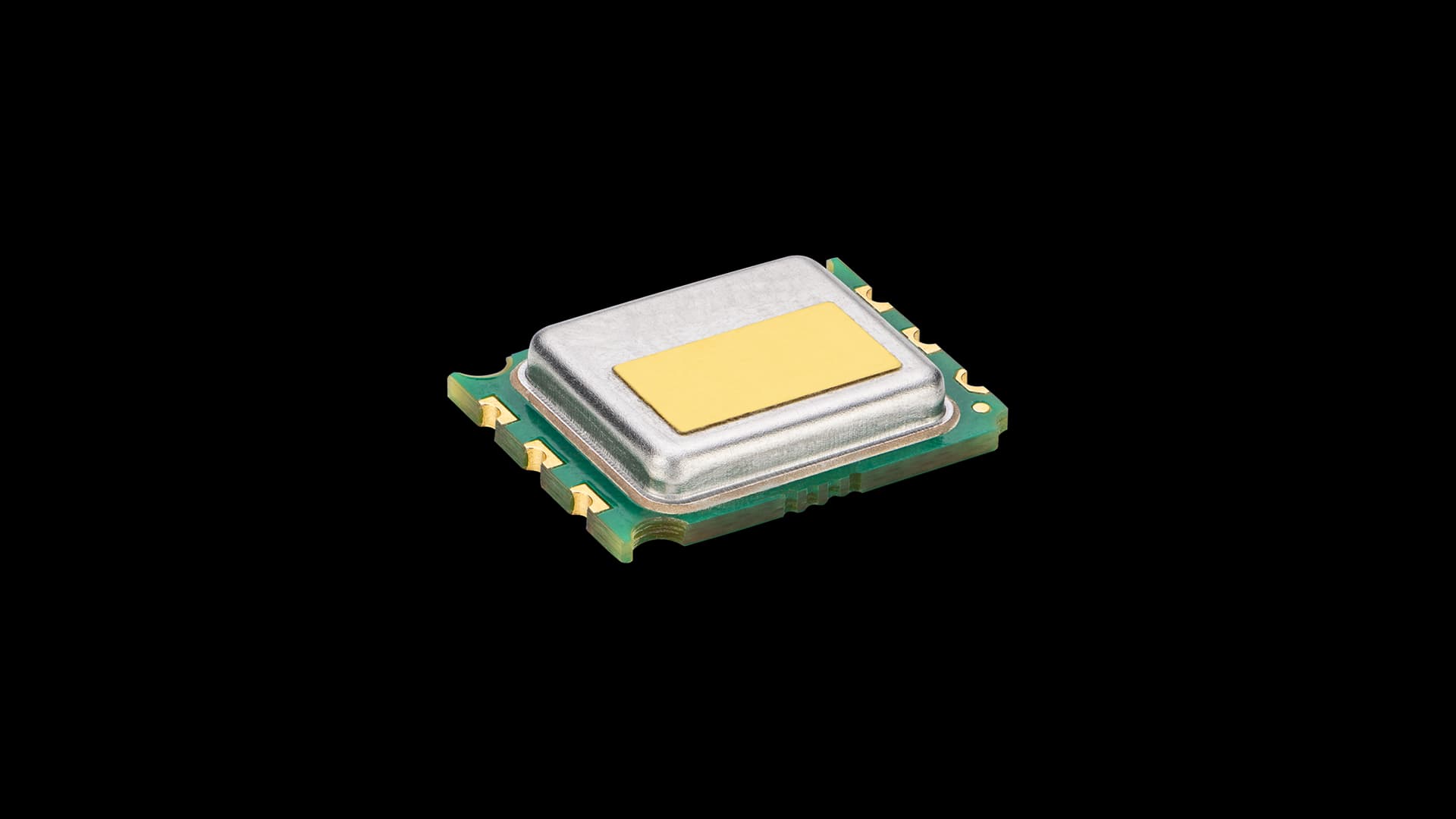
Air conditioning systems consume substantial electrical energy when cooling coils drop below the dew point of the surrounding air, triggering moisture condensation. By integrating high-precision relative humidity and temperature sensors, the cooling can be adjusted to stay above the real-time dew point, ensuring energy-efficient cooling and consistent thermal comfort.
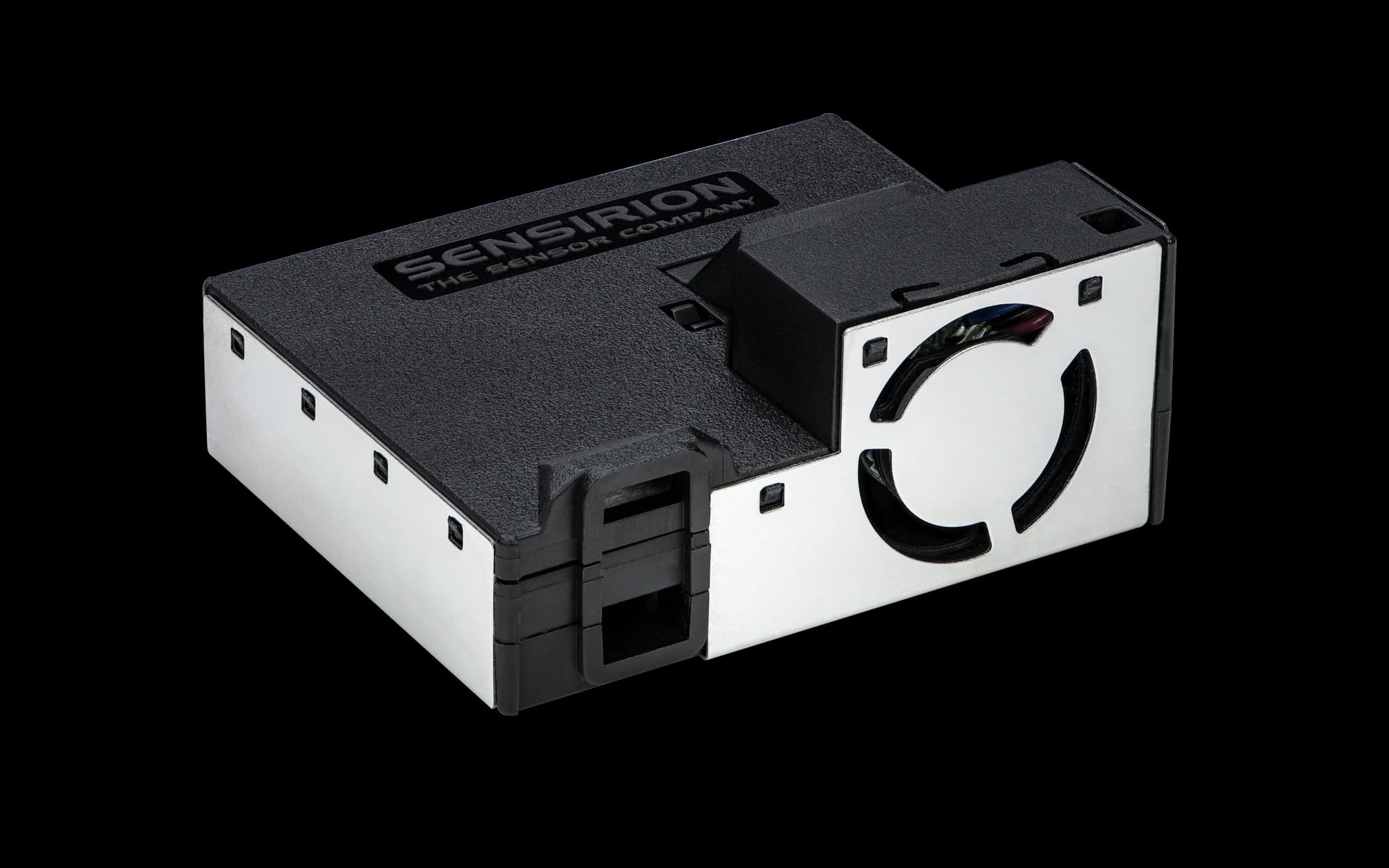
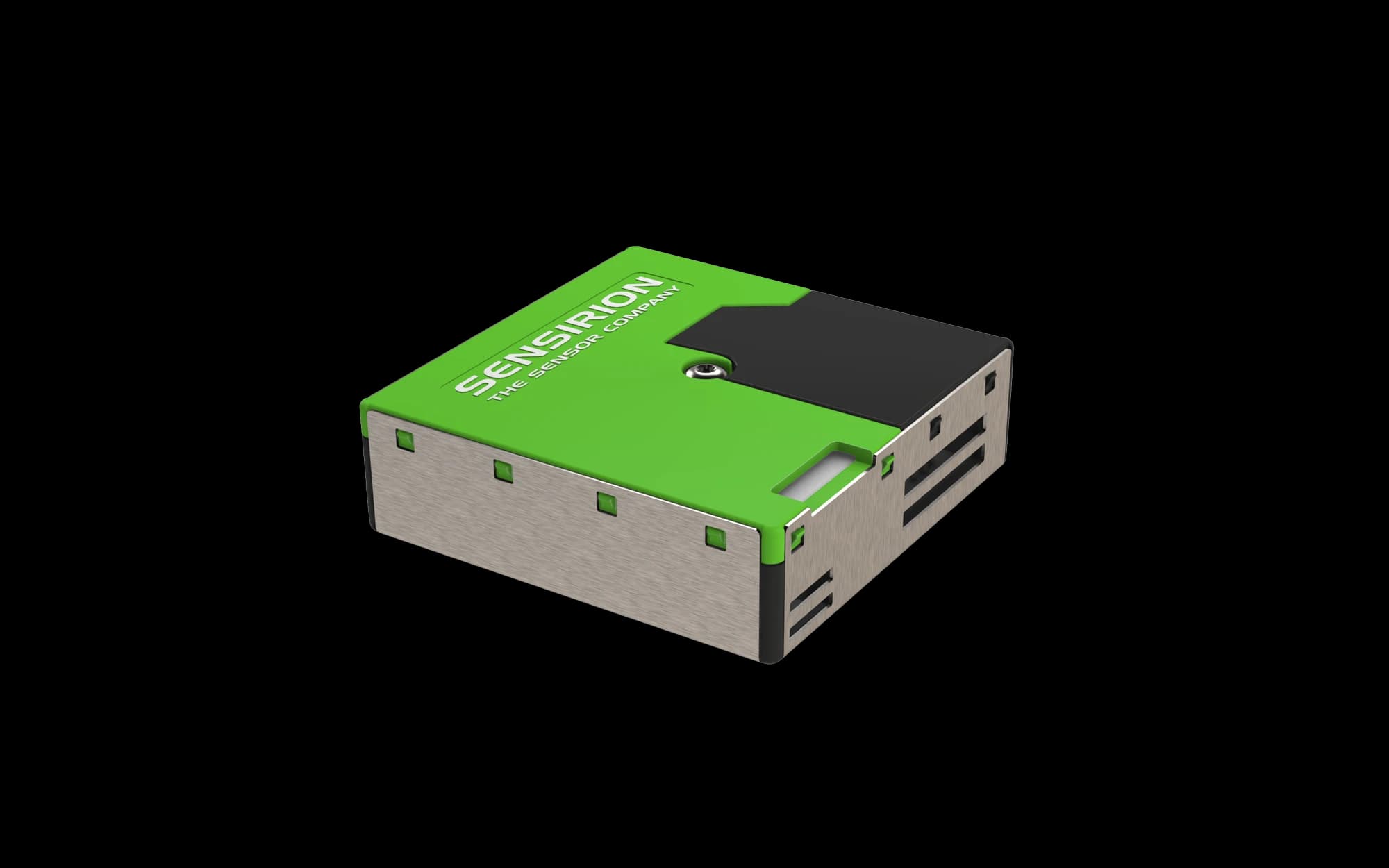
Additional air conditioner sensors for PM2.5, CO₂ and formaldehyde can extend indoor air quality monitoring. Integrating these sensing capabilities allows manufacturers to enhance air conditioning systems with functions such as demand-controlled fresh air supply.
How our air conditioner sensors improve system efficiency, safety and air quality
Temperature and humidity sensors for efficient climate control
Temperature and humidity sensors provide the data needed to control cooling and dehumidification in air conditioning systems. Accurate measurements support stable climate control, consistent thermal comfort and energy-efficient operation under changing indoor conditions.
Air quality monitoring using PM2.5 and formaldehyde (HCHO) sensors
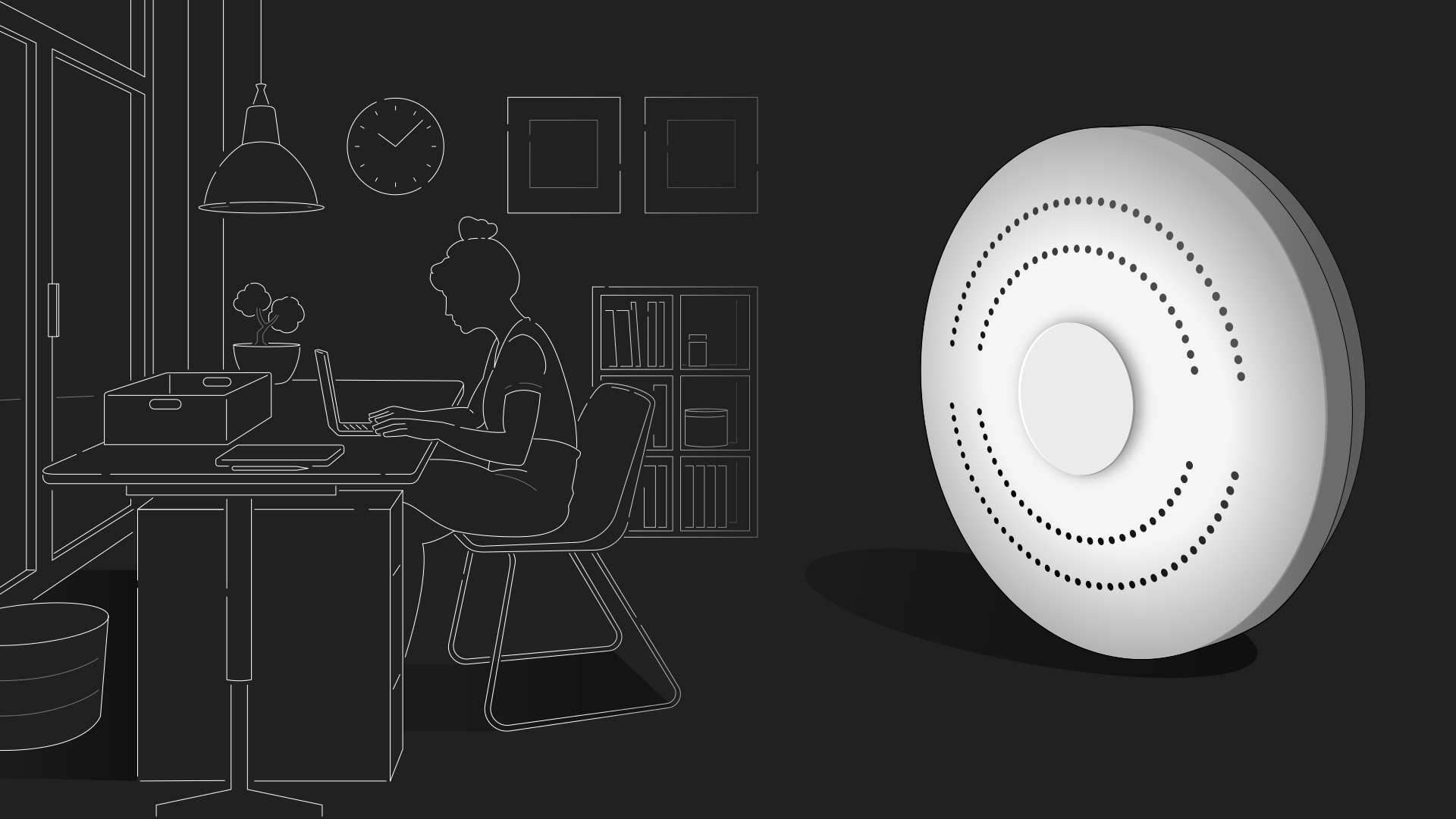
Pollutants such as particulate matter or formaldehyde have a significant impact on air quality and can have negative effects on health and well-being. With the help of environmental sensors, indoor pollutants can be visualized and AC solutions/devices can be enriched with filters to mitigate or remove pollution indoors.
Demand-controlled fresh air supply with air quality sensors
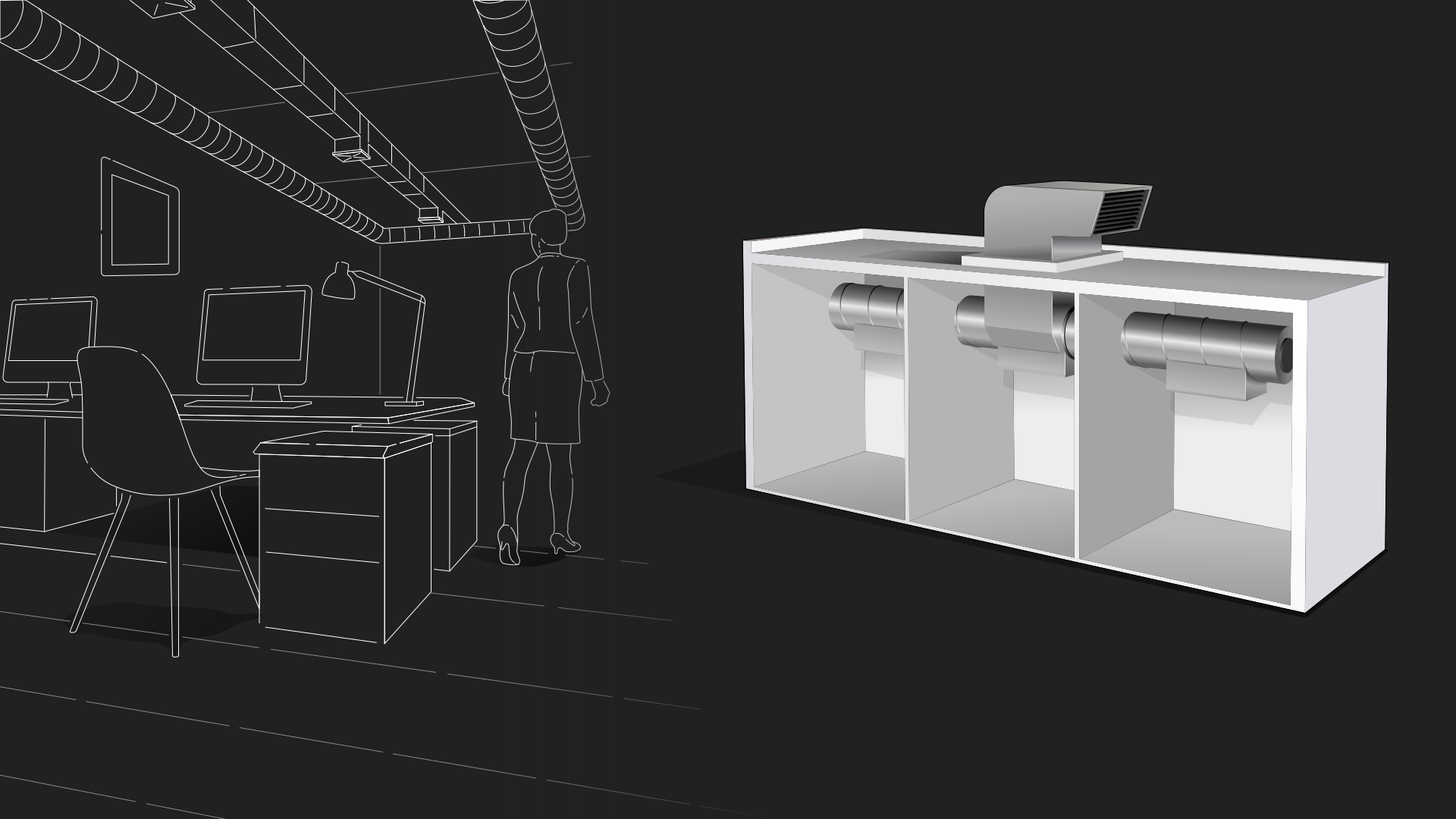
Sensor-based monitoring of air quality enables a demand-controlled supply of fresh air in ducted air conditioning systems. Outdoor airflow can be adjusted according to measured indoor conditions, supporting indoor air quality while limiting unnecessary air conditioning.
Differential pressure sensors for reliable filter monitoring
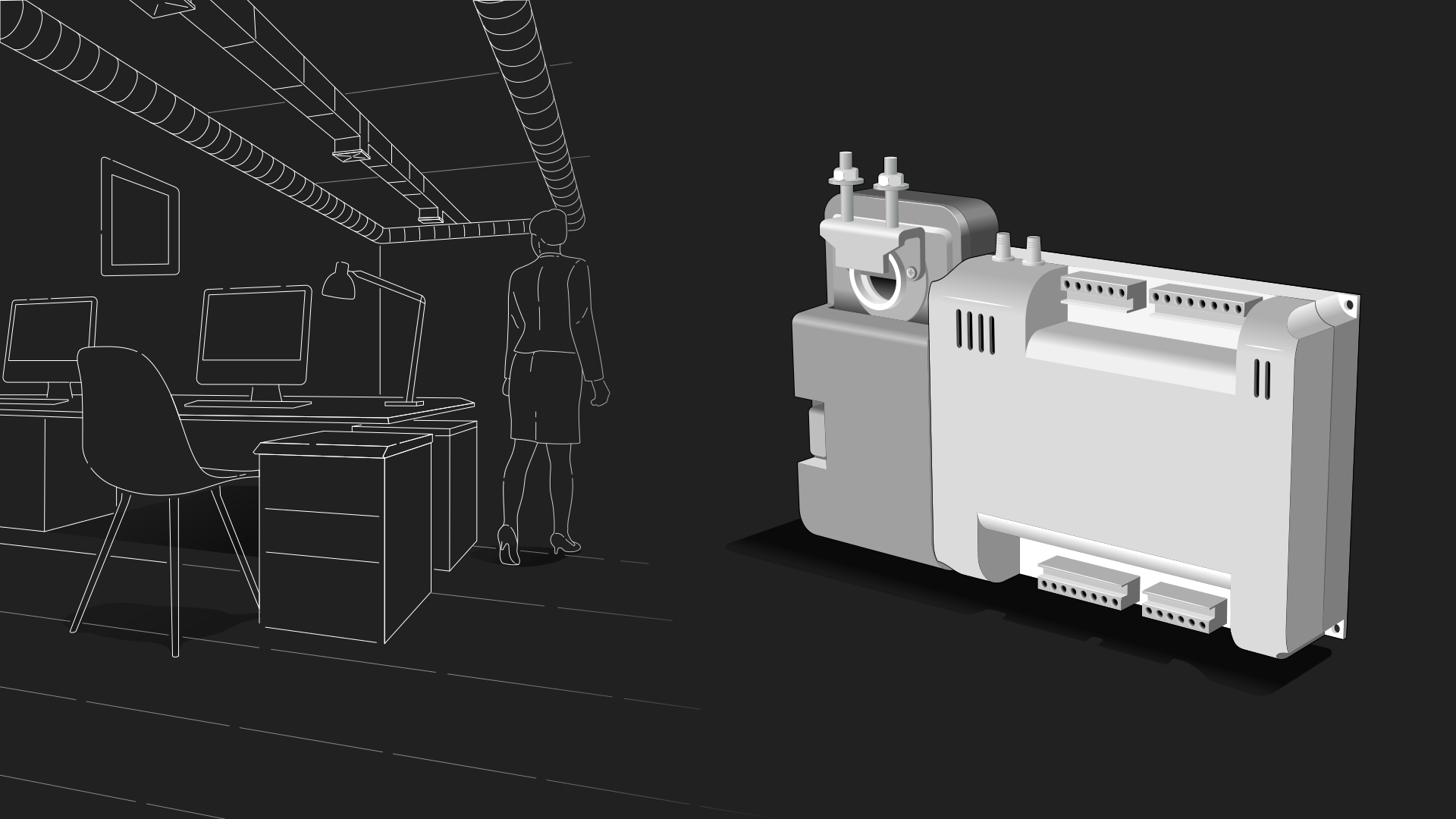
Differential pressure sensors measure the pressure drop across an air filter to monitor changes in the filter’s condition. Air conditioning systems can use this data to identify increasing filter loads and support condition-based maintenance. This prevents premature failure of the system and ensures optimum energy efficiency and cooling performance.
Safety – Detecting refrigerant leakage
As the HVAC industry transitions to low-GWP refrigerants, reliable refrigerant leak detection is becoming a key design requirement. Sensirion’s refrigerant leakage sensors enable fast, accurate detection of leaks, helping manufacturers enhance safety, comply with evolving regulations and protect equipment performance.
Recommended sensors for air conditioning
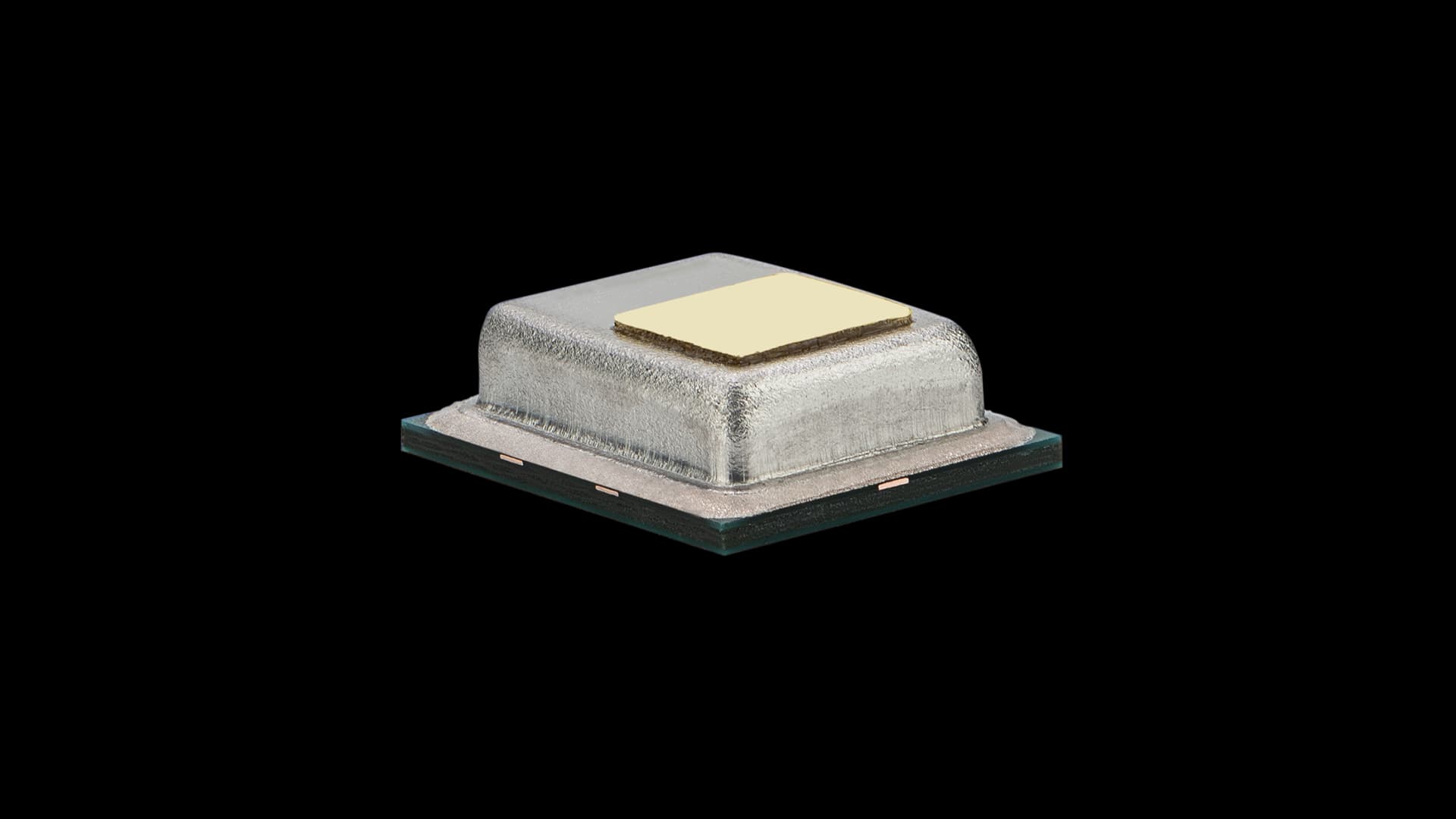
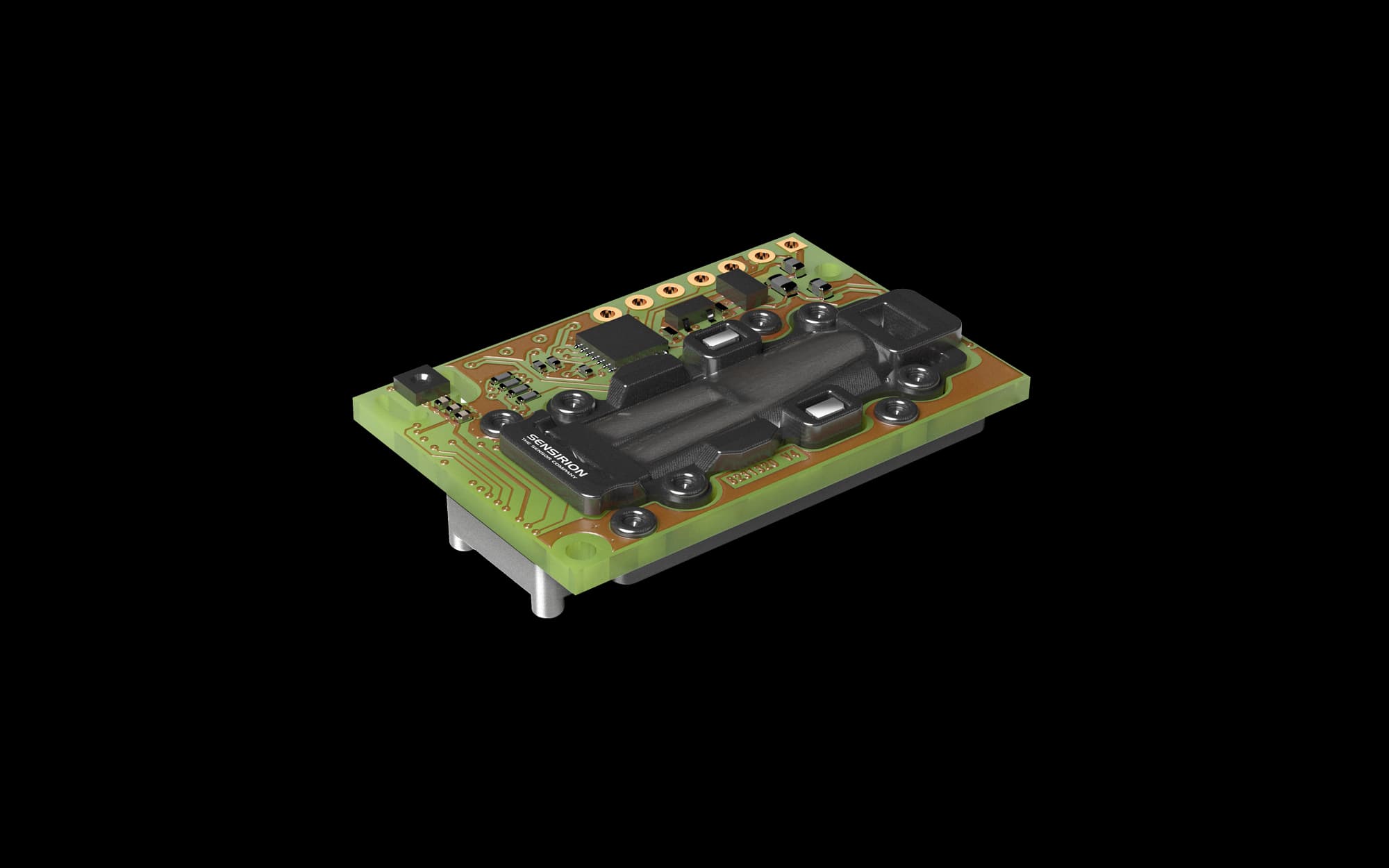
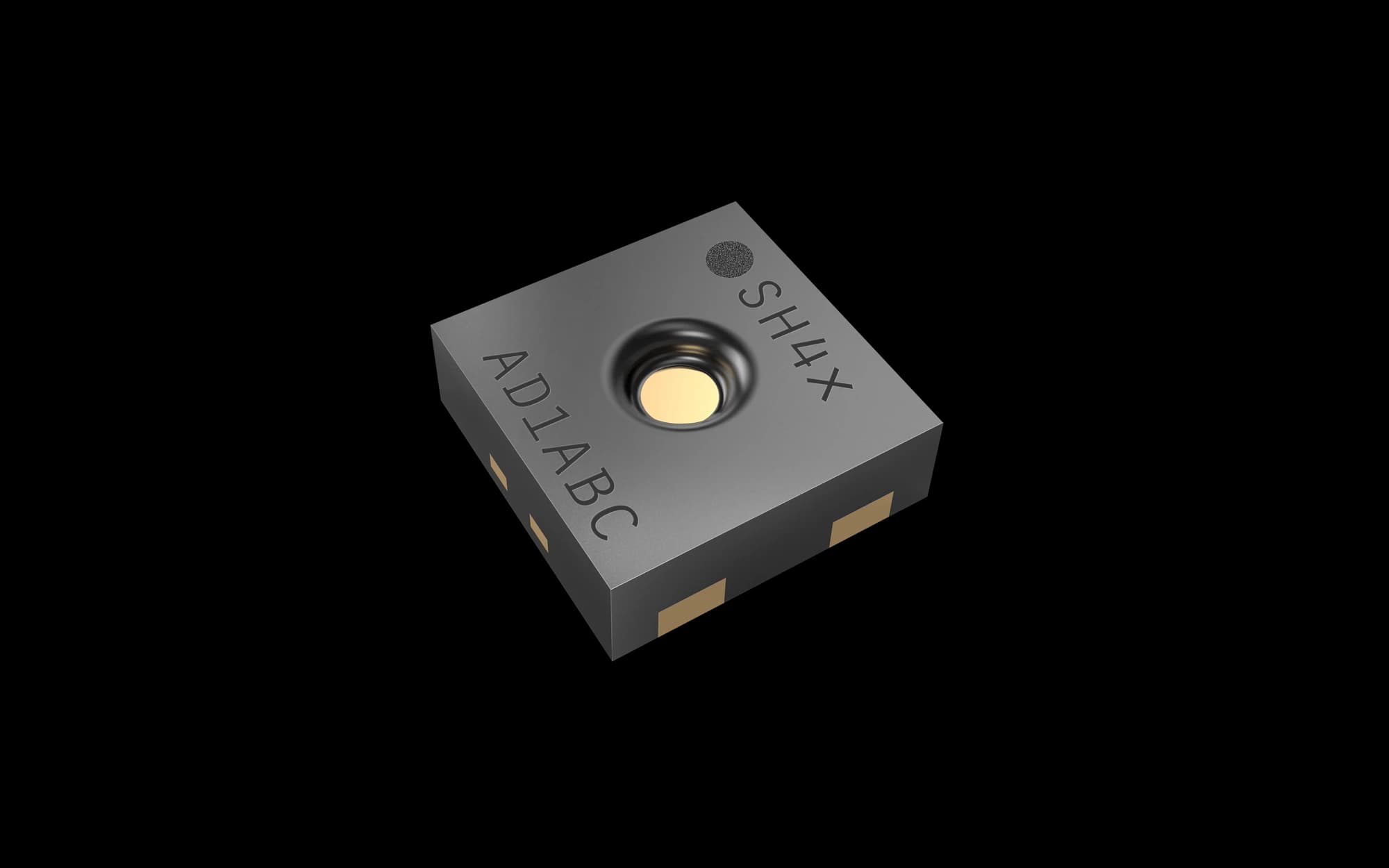
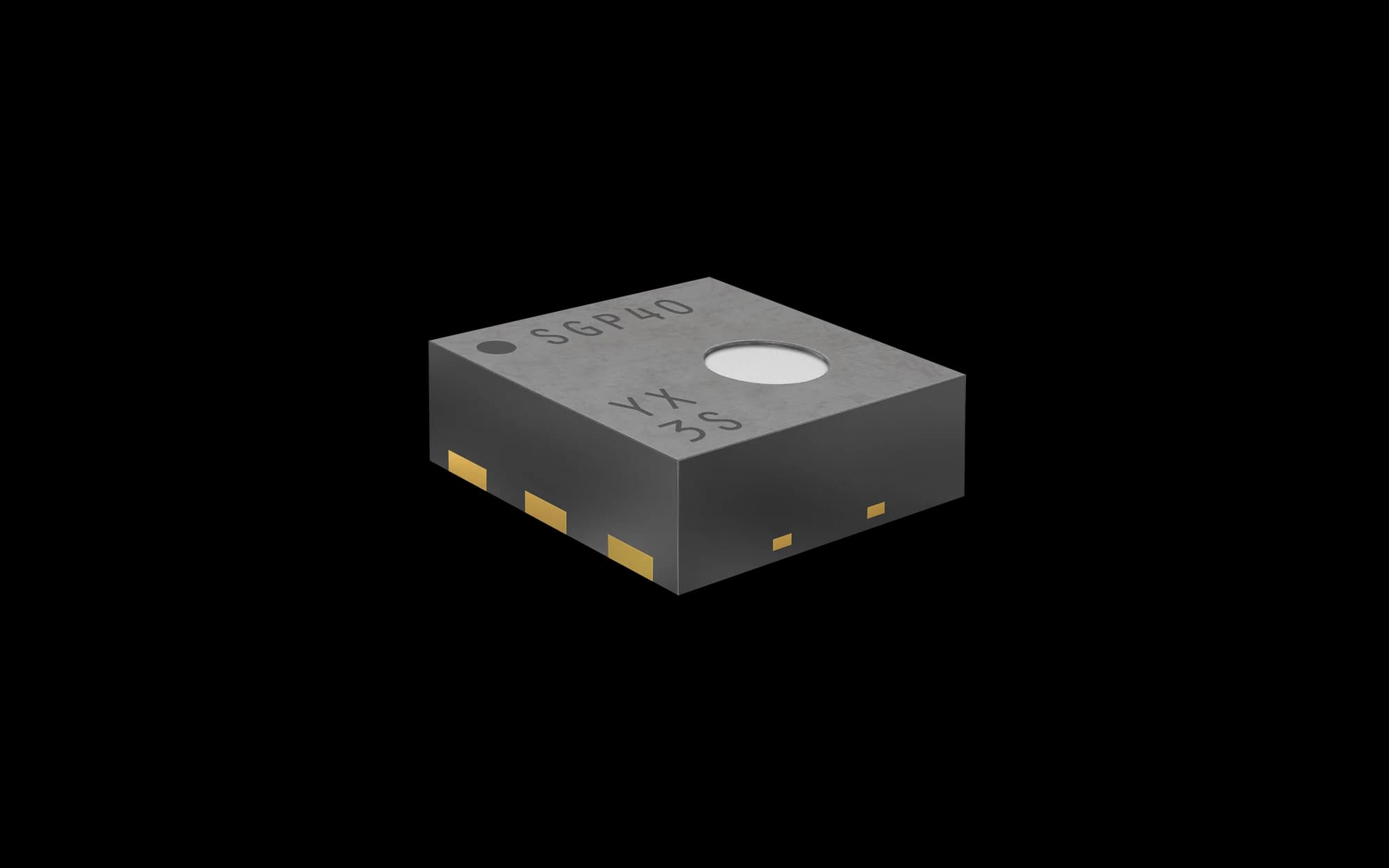

Active humidity control in mini-split air conditioners
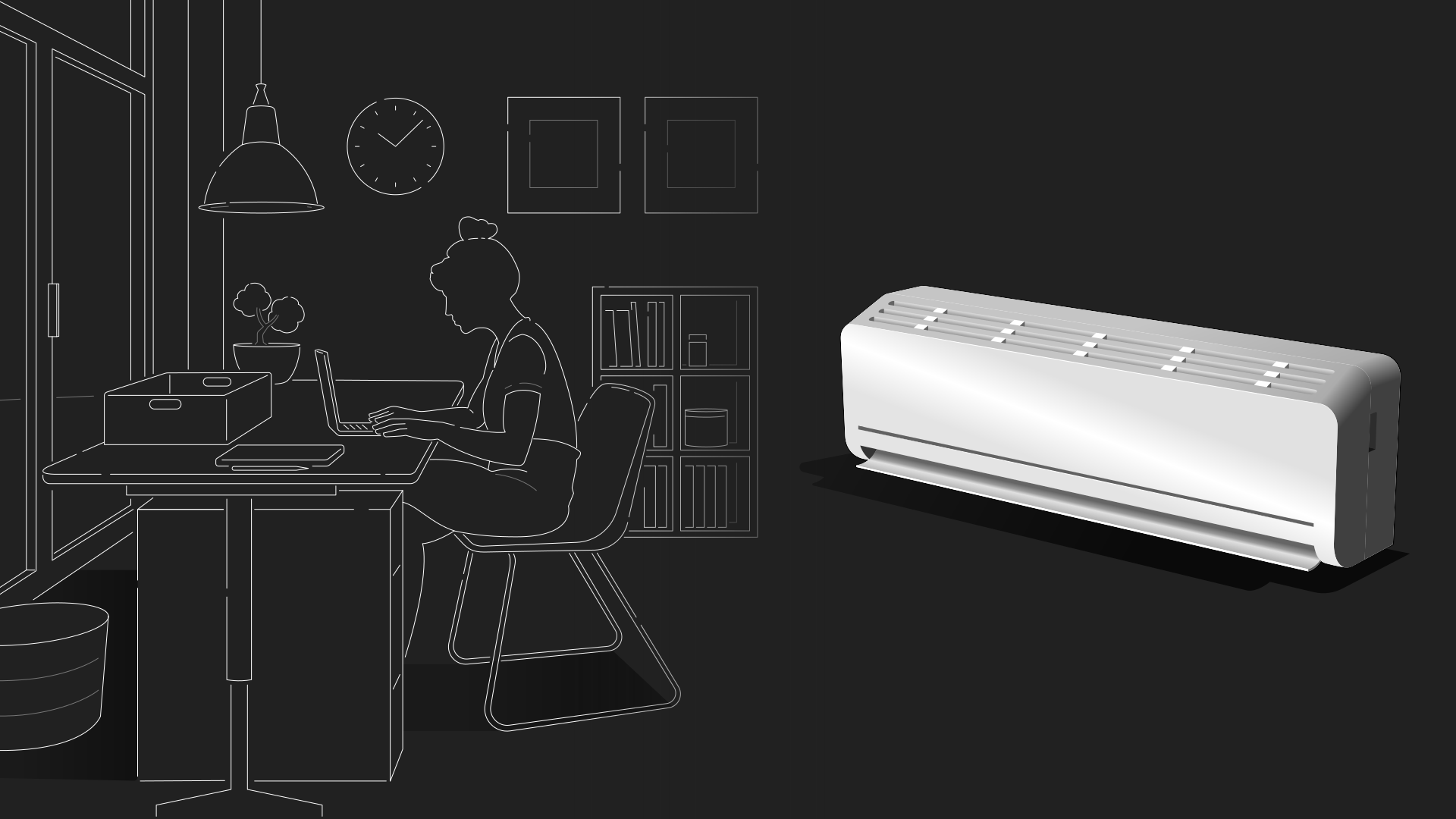
Mini-split air conditioners are designed to optimize temperature control, but many struggle to manage humidity effectively. The consequences include inconsistent comfort, poor indoor air quality, and reduced system efficiency. Learn how humidity measurements can support cooling and dehumidification control in mini-split air conditioners. The specialist article examines sensor integration and control strategies for improving thermal comfort and system efficiency.
Download specialist article
Indoor air quality
In recent years, a new demand for clean air has developed among many people who value healthy living. When it comes to air quality, most of them rightly are worried about atmospheric pollution, but tend to forget about indoor air pollution.
Read more about indoor air quality
The future of improving indoor air quality
When we think of air quality, we tend to think of air pollution in the regions surrounding our homes. We rely on measures such as the Air Quality Index to let us know when airborne pollutants in our towns or cities reach levels that may cause or exacerbate health issues.
Read more