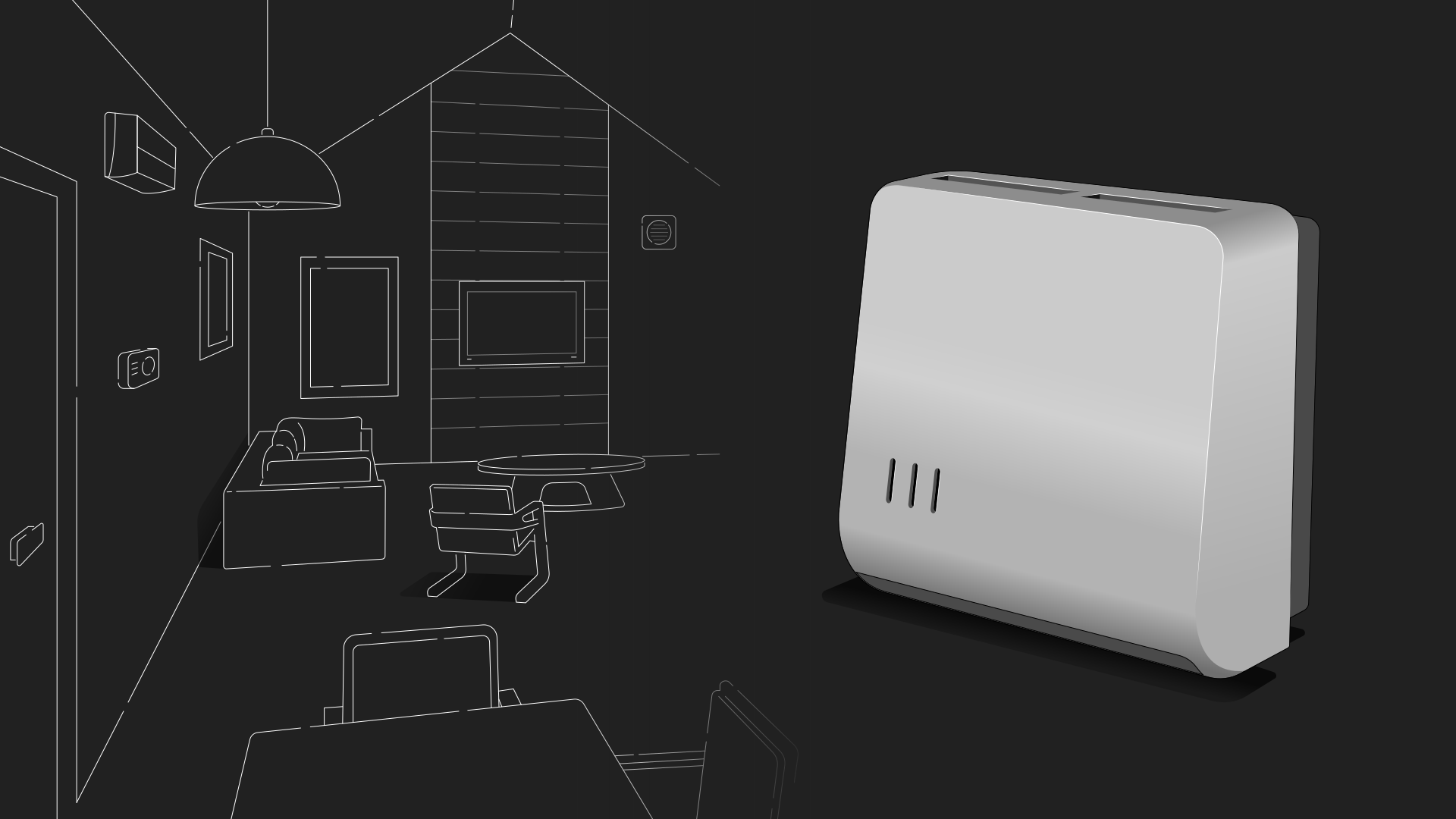
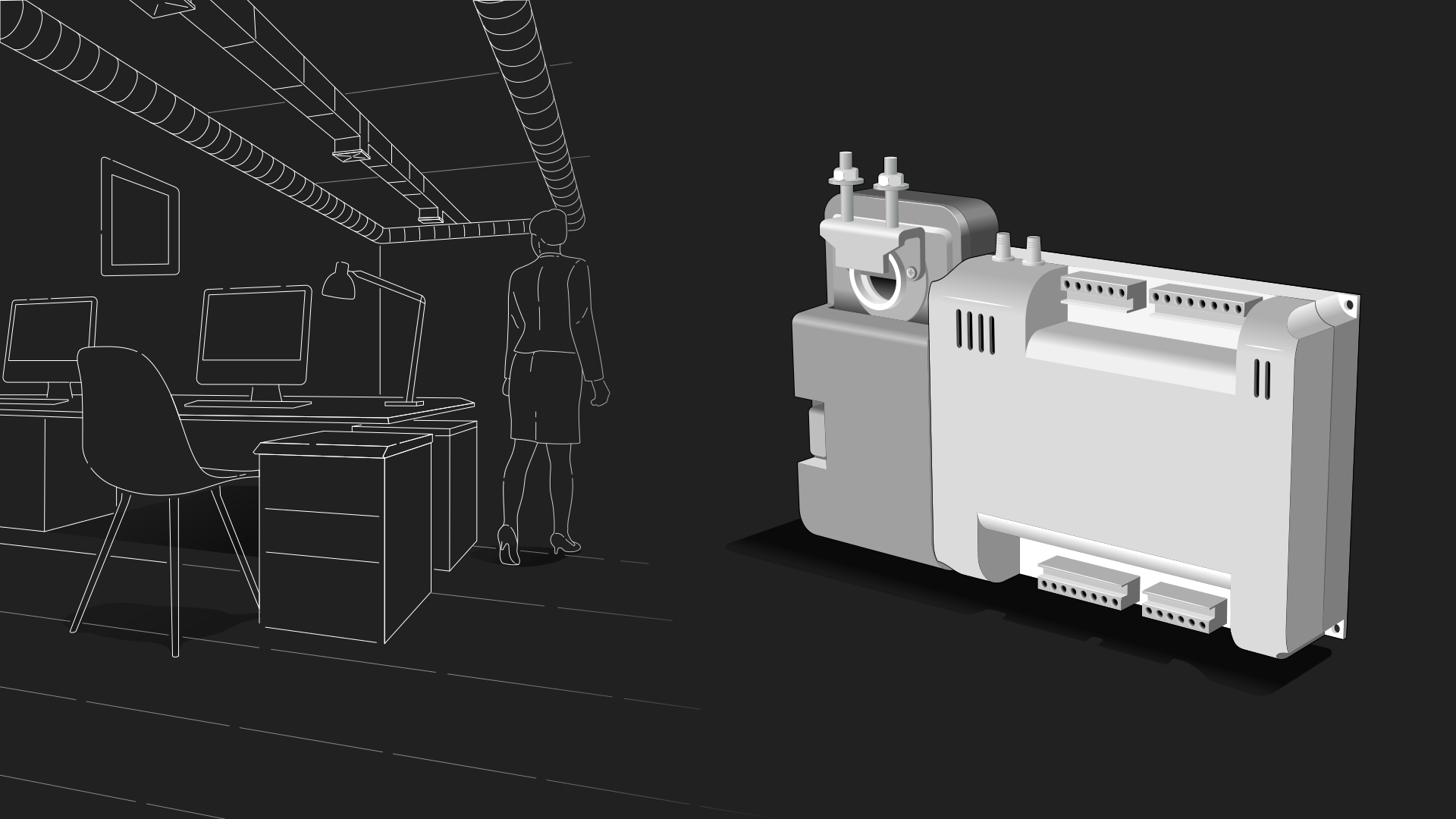
Differential pressure and fine dust sensors are ideally suited to monitor filter condition, output trend analysis and ensure an optimal maintenance cycle.

Filter monitoring
Optimal strategy for replacing filters
How our filter monitoring sensor solution make a difference
Precise filter monitoring and analysis
Differential pressure sensors monitor the pressure drop across the filter and indicate when a filter needs to be replaced. Timely filter replacement reduces energy consumption as well as wear and the likelihood of overall system failure.
Increased end-user willingness to purchase replacement filters
Filter saturation depends on operating hours and average air pollution levels. Since these are highly individual, customers often neglect replacement intervals. A sensor-based filter alarm enables cost-optimized replacement.
Cost optimization through ideal replacement timing
If a filter is replaced at the right time, filter performance can be optimized and energy costs and filter replacement costs can be reduced at the same time.
Increased indoor air safety
Well-maintained air filtration systems ensure a lower particle count in indoor air, minimizing the risk of airborne virus and bacteria infection. This provides greater indoor air safety and can reduce incidents of illness.
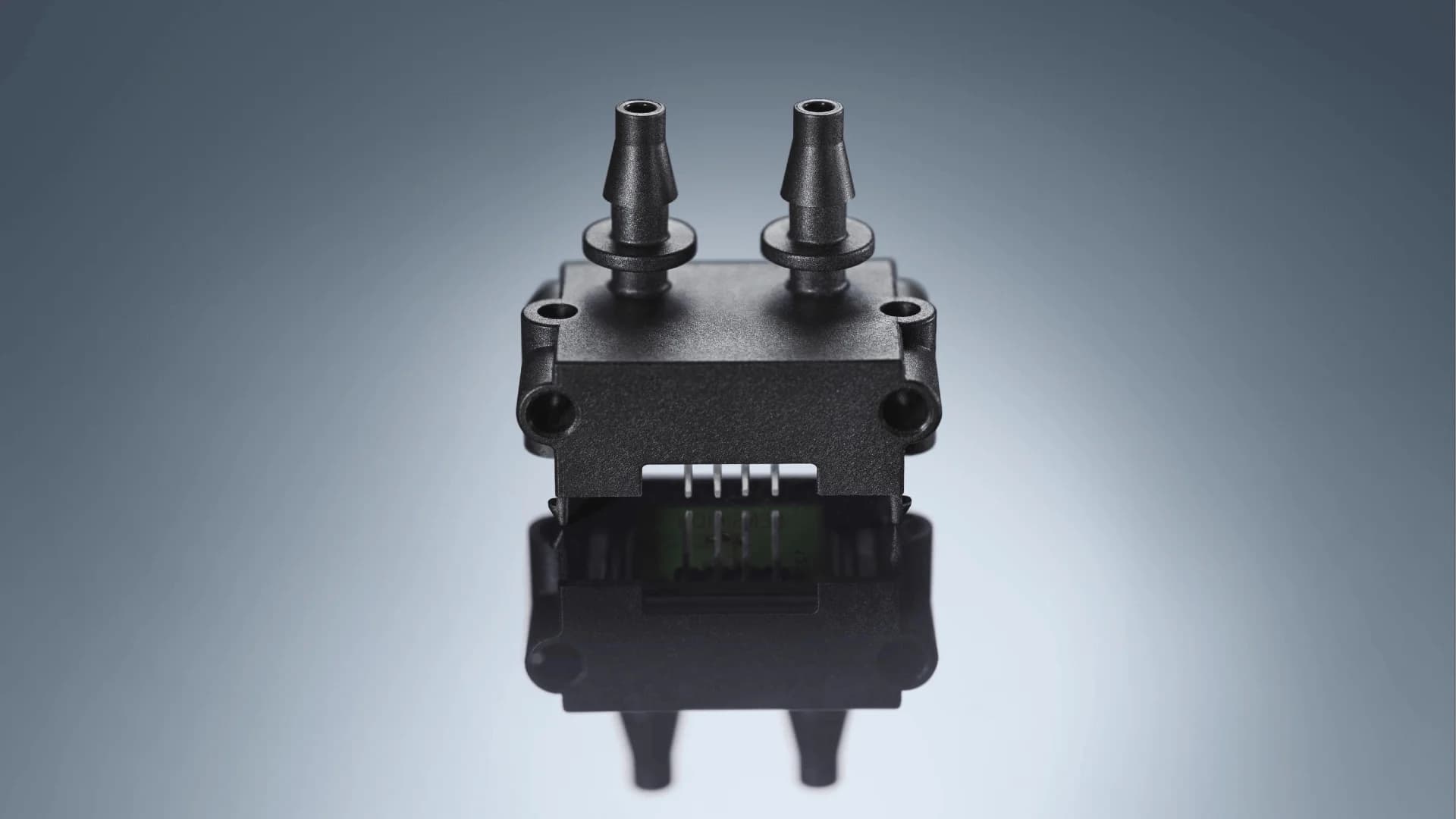
Gas flow measurements in bypass
To measure gas flow with a high degree of accuracy and repeatability, while at the same time keeping costs low, a bypass or differential pressure solution is generally most favorable. Compared with direct flow measuring techniques, the effects of external conditions can be reduced, and the cleanliness of the gas around the sensor element significantly increased. Additionally, if we select a thermal differential pressure sensor, which offers high-level precision even when flow rates are minimal, measurements around the zero point are extremely precise.
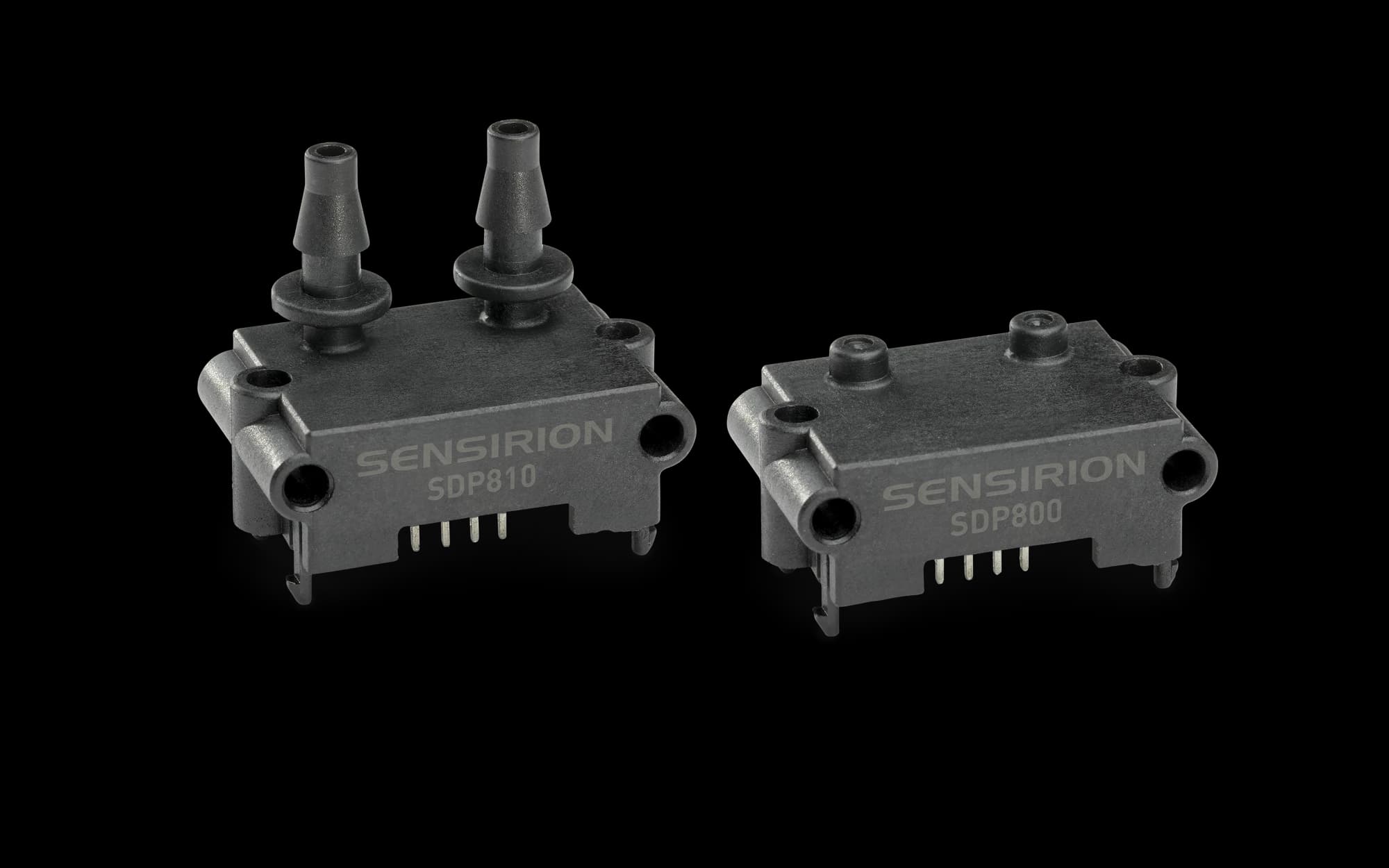
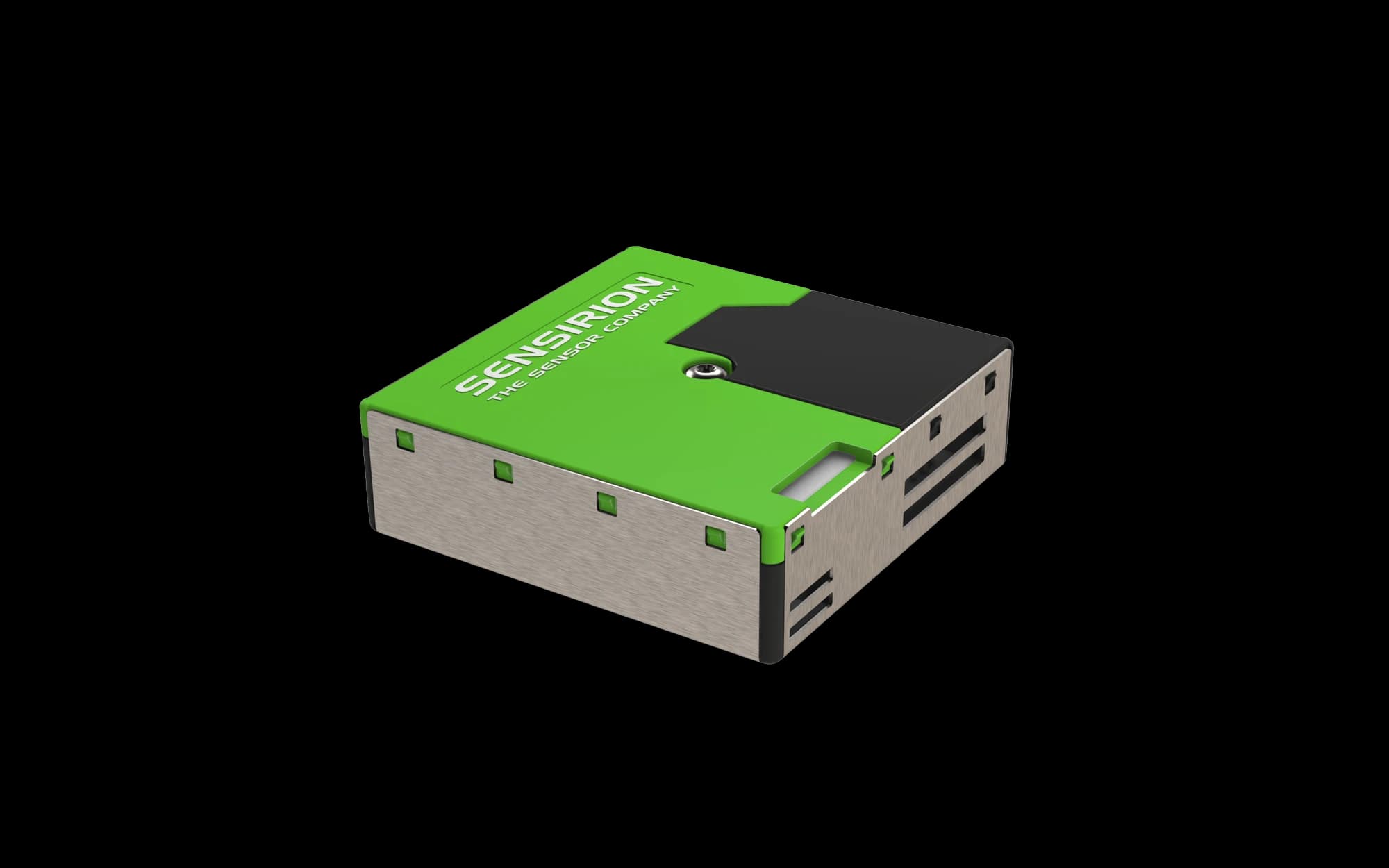
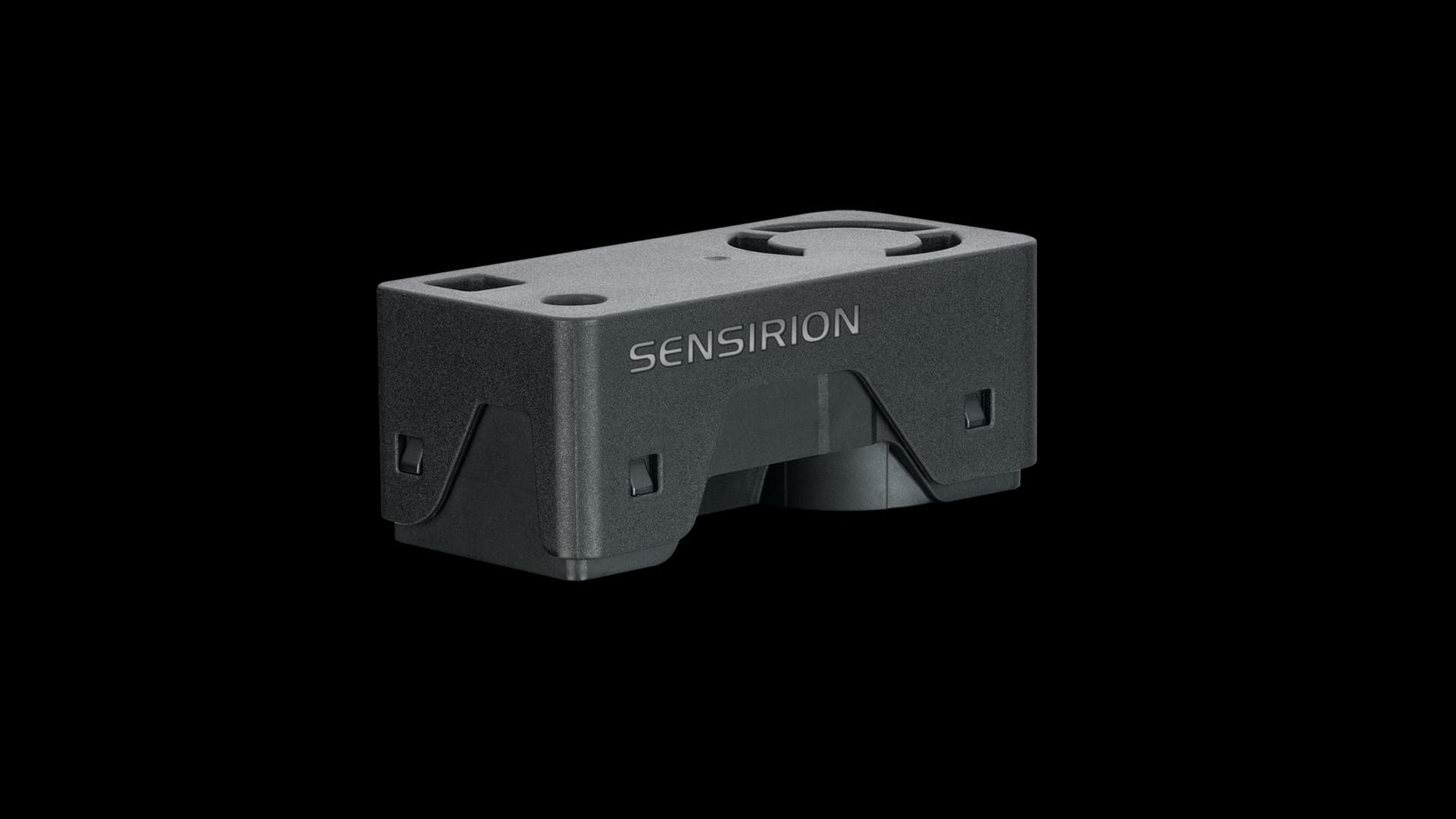
Learn moreRelated sensors

Trend topic
Indoor air quality
In recent years, a new demand for clean air has developed among many people who value healthy living. When it comes to air quality, most of them rightly are worried about atmospheric pollution, but tend to forget about indoor air pollution.
Learn more about indoor air quality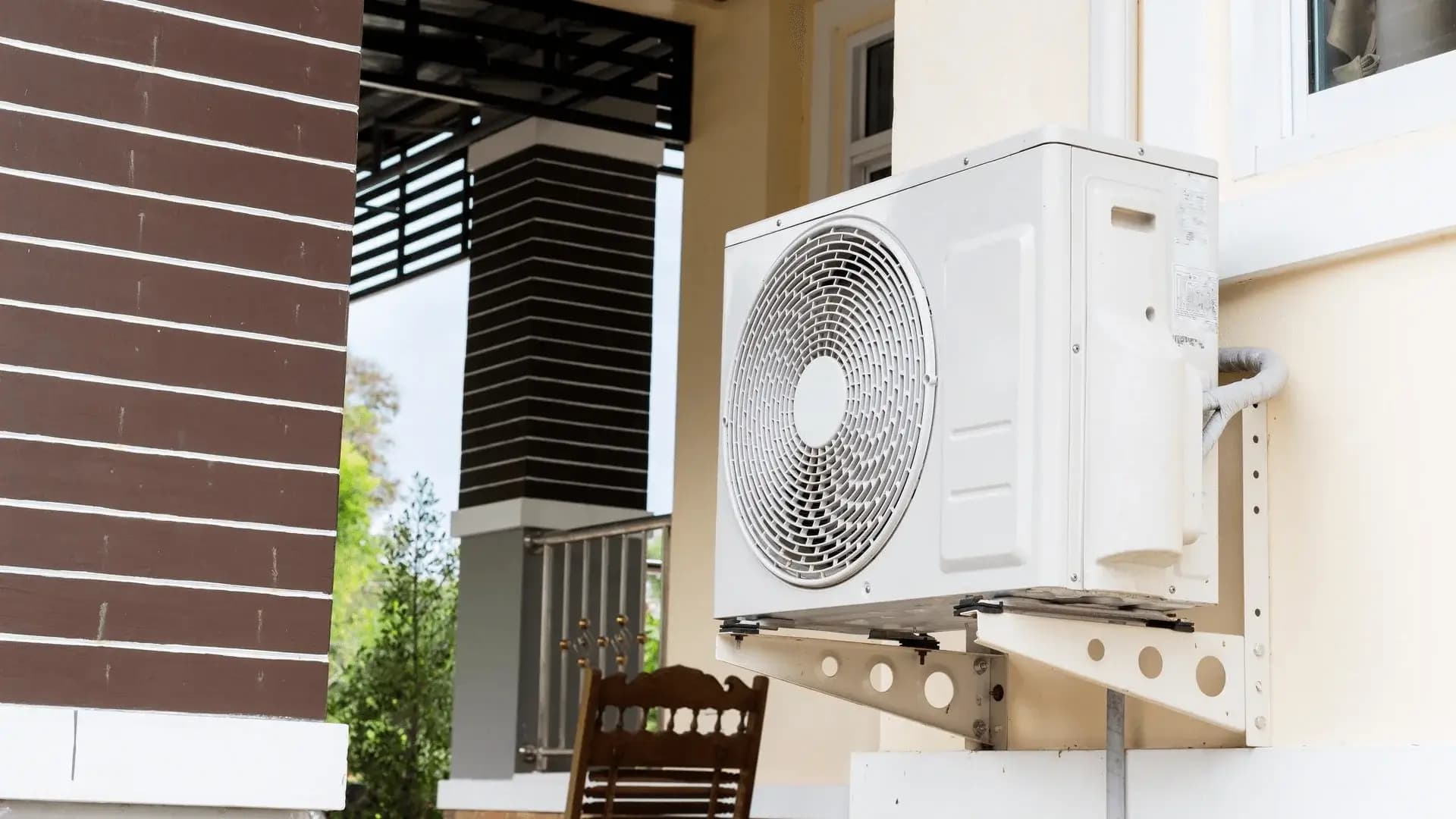
Specialist article
The tech that will build our tomorrow – HVAC macro trends
How will we be living in the future? This is a question that humanity has always yearned and worked to answer. Finding out the answer, surprisingly, is not limited to time travel.
Read more about HVAC macro trends