Vape detection for healthy public spaces
How air monitoring enables privacy-preserving, healthier and safer public spaces
For the first time, the World Health Organization estimates that more than 100 million people worldwide use e-cigarettes, including millions of adolescents. Even though adults make up most users globally, the relative risk for adolescents is dramatically higher in most countries, signaling a critical public health concern.
Although often perceived as a safer alternative to smoking, e-cigarettes emit fine particulate matter, harmful volatile organic compounds such as formaldehyde and benzene, as well as nicotine and metal particles originating from heating elements and e-liquids. These emissions deeply penetrate the lungs, causing effects such as asthma exacerbation, airway inflammation, and reduced pulmonary function.
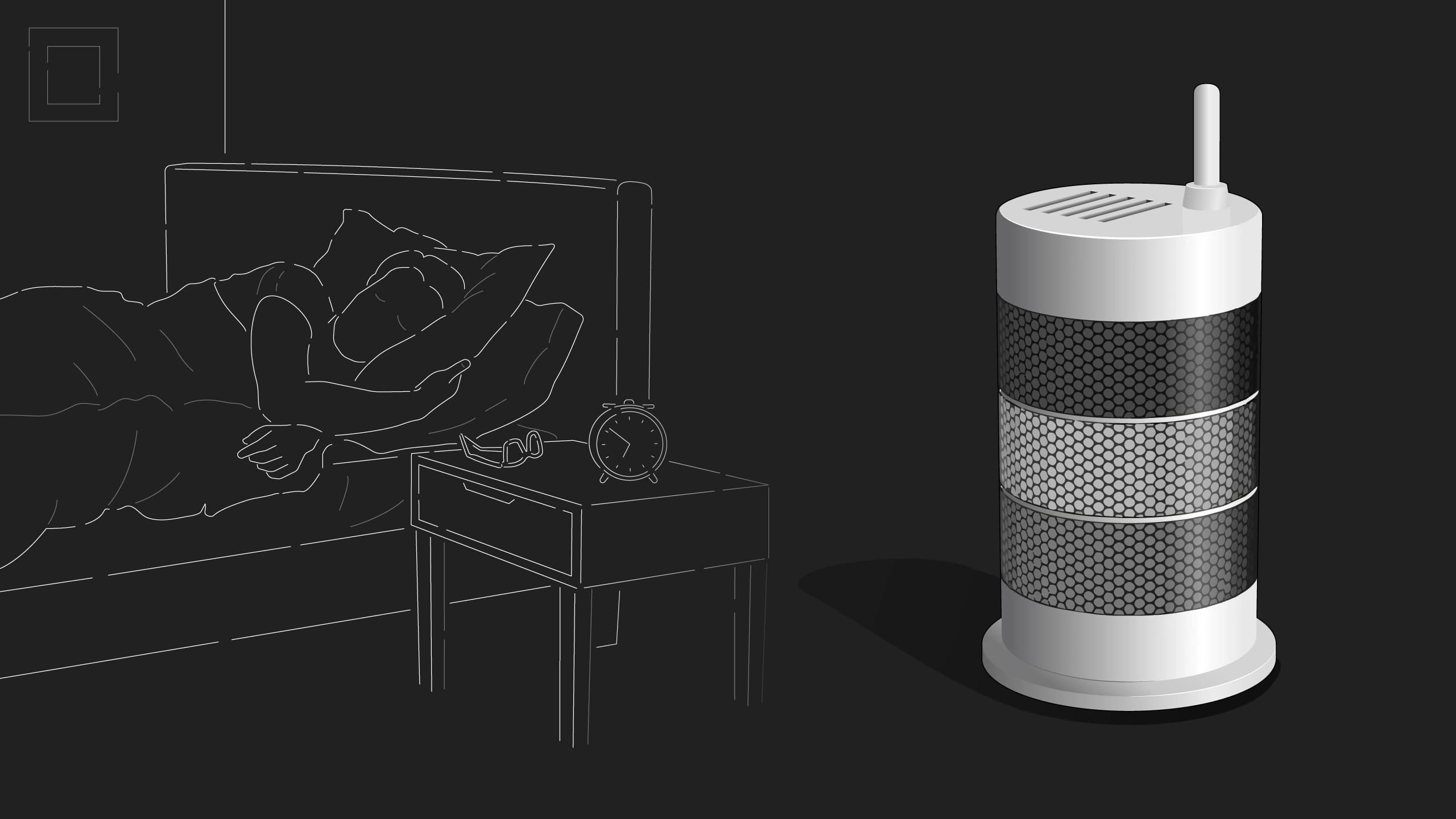
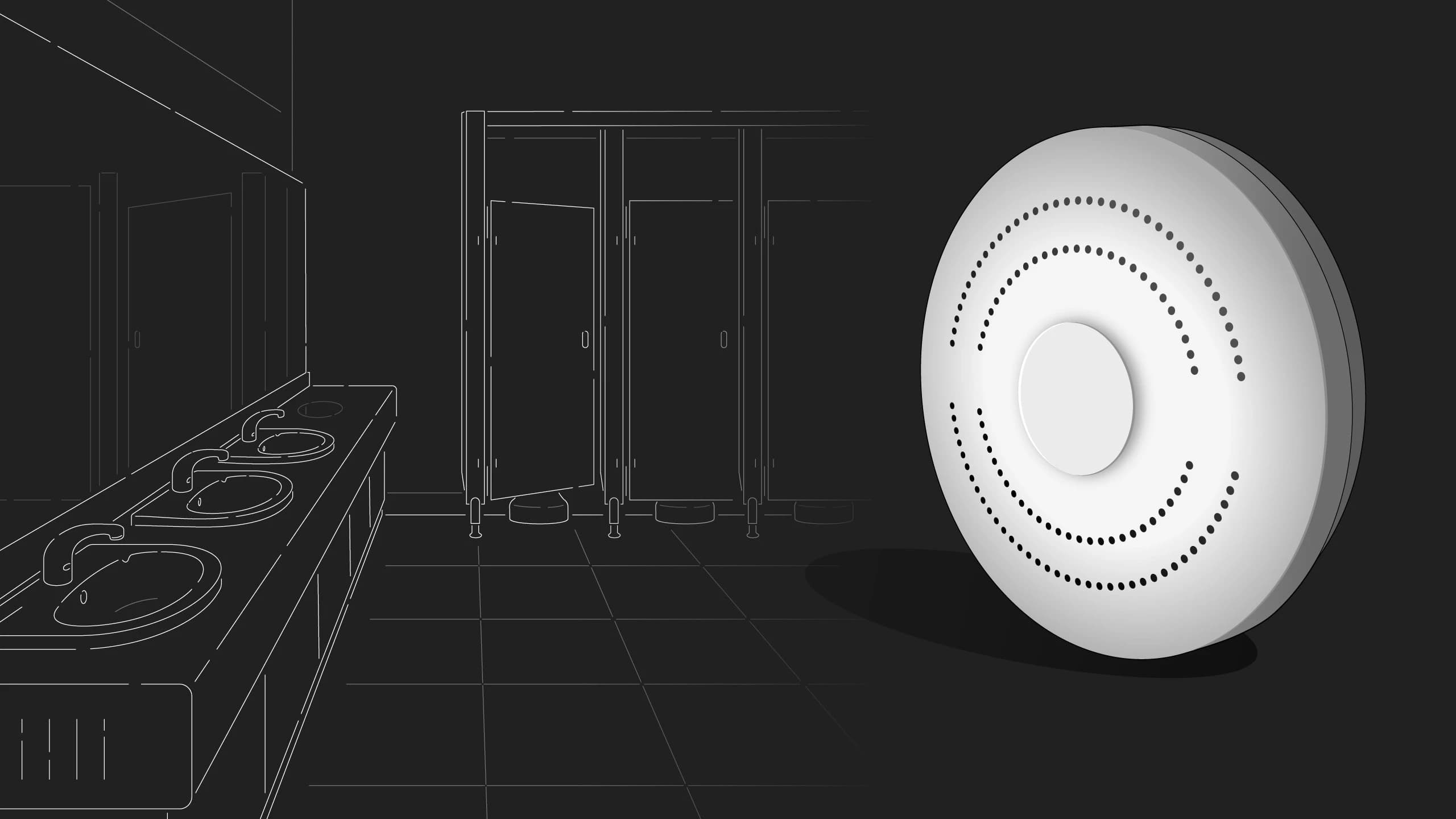
Offices, public spaces, schools, healthcare facilities, and hospitality venues, face health and comfort challenges from undetected vaping activity, impacting both health and comfort. Health risks and regulatory pressure make vape detection essential, yet traditional methods such as cameras or microphones cannot be used due to privacy, cybersecurity or regulatory constraints. This is where environmental sensing becomes critical, enabling accurate vape detection without relying on intrusive monitoring.
Our solution: Sensor fusion
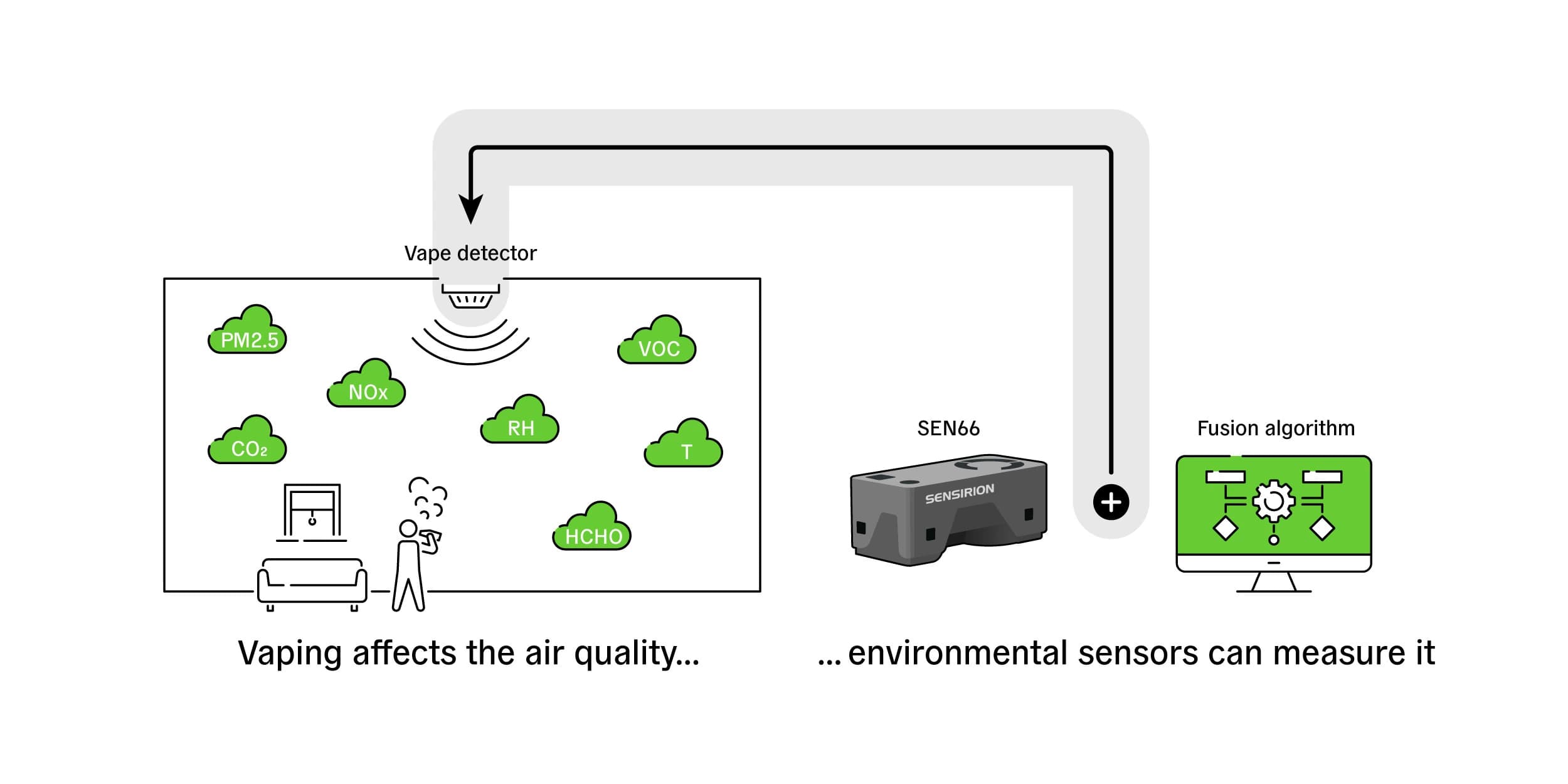
Vaping creates multiple measurable changes in the air, including rapid increases in particulate matter, humidity, and volatile organic compounds (VOCs), but no single indicator is definitive on its own. Sensor fusion addresses this by combining multiple sensor signals with internal processing, such as compensation, filtering, and data alignment, to provide high-quality measurement outputs. Customers can use these combined data streams to develop algorithms that identify vaping-related patterns more reliably than any individual sensor alone.
Why choose Sensirion sensors for vape detection solutions
We offer unique expertise in environmental sensing combined with high-quality, reliable sensors, making us a trusted partner for enabling vape detection solutions through high-quality environmental sensing.
Decades of expertise
Proven experience in air quality and multi-sensor solutions across medical, industrial, and environmental applications.
Fast integration
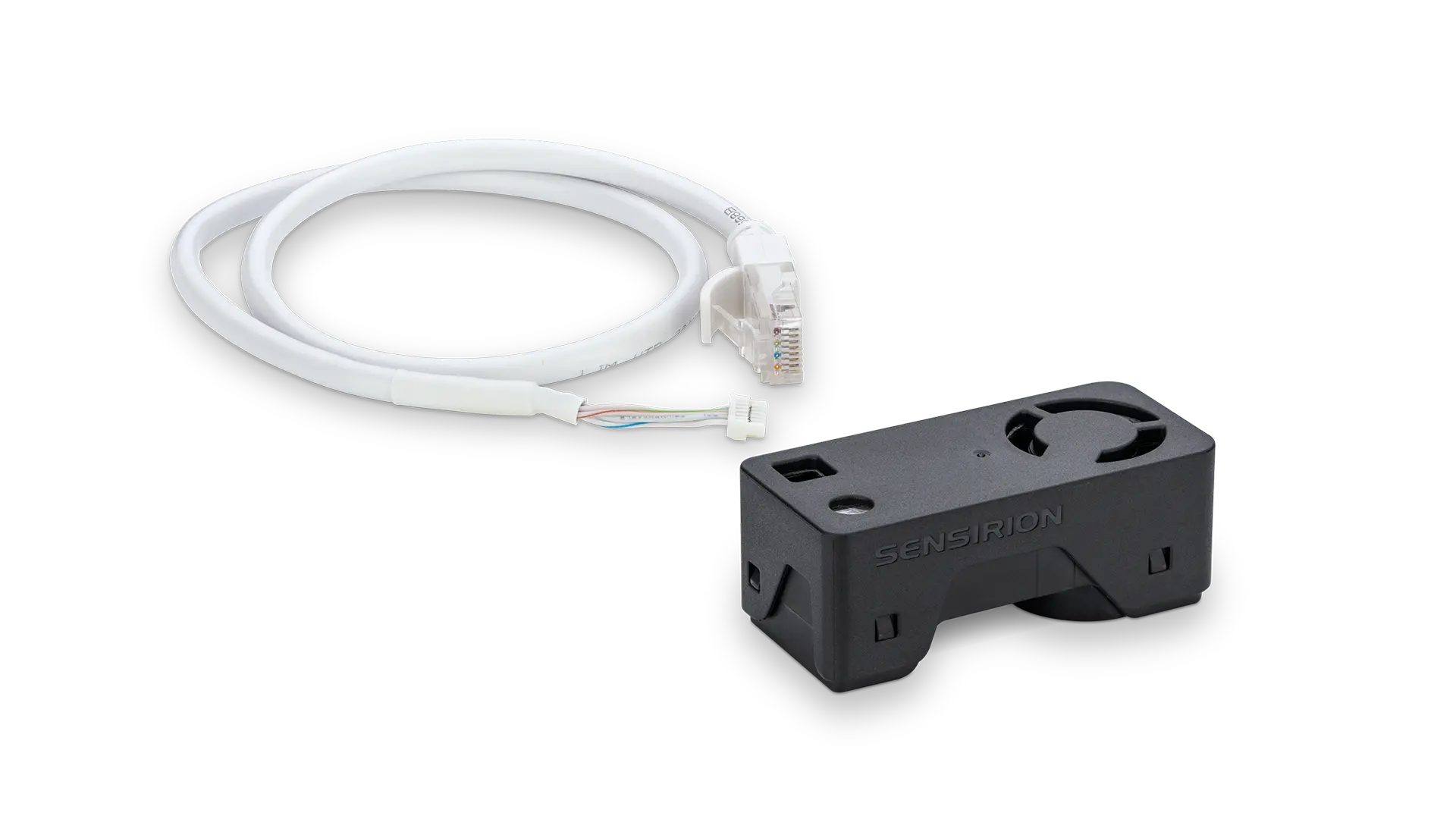
Ready-to-use platforms like SEN66 accelerate your time-to-market while maintaining long-term stability and low maintenance requirements.
Sensirion provides sensor modules with embedded algorithms for signal conditioning, environmental compensation and data fusion. Application-level detection algorithms, such as vape detection or event classification, are developed and owned by customers.
Advanced sensor fusion
Our sensor modules capture key environmental parameters (PM, VOC, humidity, CO₂) that are relevant for identifying patterns such as those associated with vaping. Proprietary on-board algorithms for sensor signal conditioning, compensation, and data fusion, combine PM, VOC, CO₂ and humidity data to provide synchronized, compensated, and high-quality environmental measurements. These outputs enable customers to develop their own algorithms to distinguish vaping from other indoor air events.

Want to learn more?
Our specialist article provides in-depth insights into vaping risks, indoor air quality monitoring, and how sensors enable healthier, safer, and privacy-preserving spaces.
Download nowRelated sensors
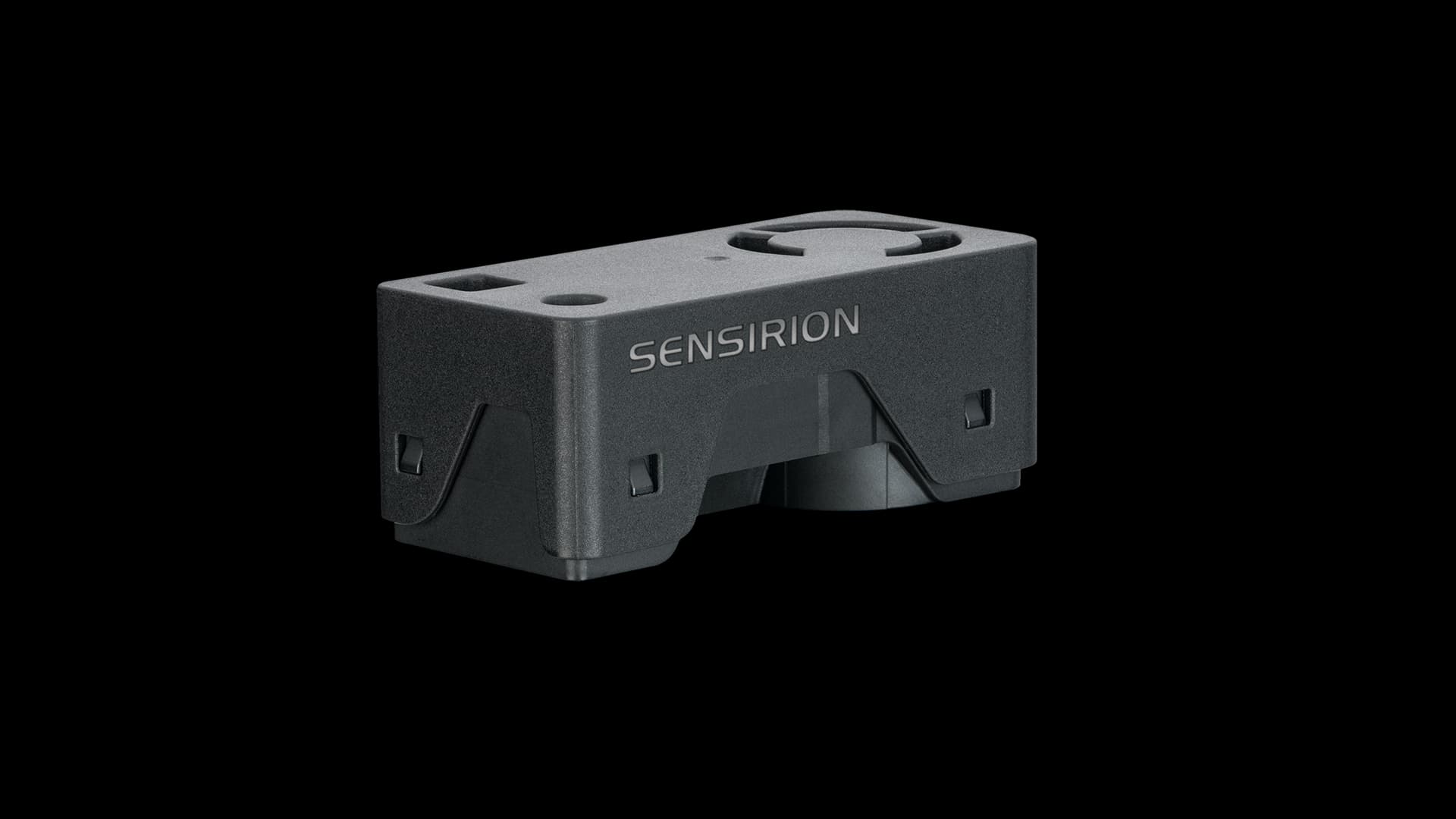
Sensing platform for PM, RH/T, VOC, NOx and CO2 measurements
Experience the future of air quality sensing with the compact and powerful SEN66. It combines multiple sensors in a never-before-seen form factor and can measure up to nine environmental parameters (PM1, PM2.5, PM4, PM10, T, RH, VOC Index, NOx Index, CO2). The innovative design simplifies integration, reduces costs, and allows for customization. At the core of the SEN66 is a brand-new, miniaturized, MEMS-based particulate matter sensing component – the SPS6x.
Applications requiring compliance with IAQ standards – such as RESET®, WELL Building Standard™ and California Title 24 Building Energy Efficiency Standards – are well served by the SEN66.
Learn more about the SEN6x series here.