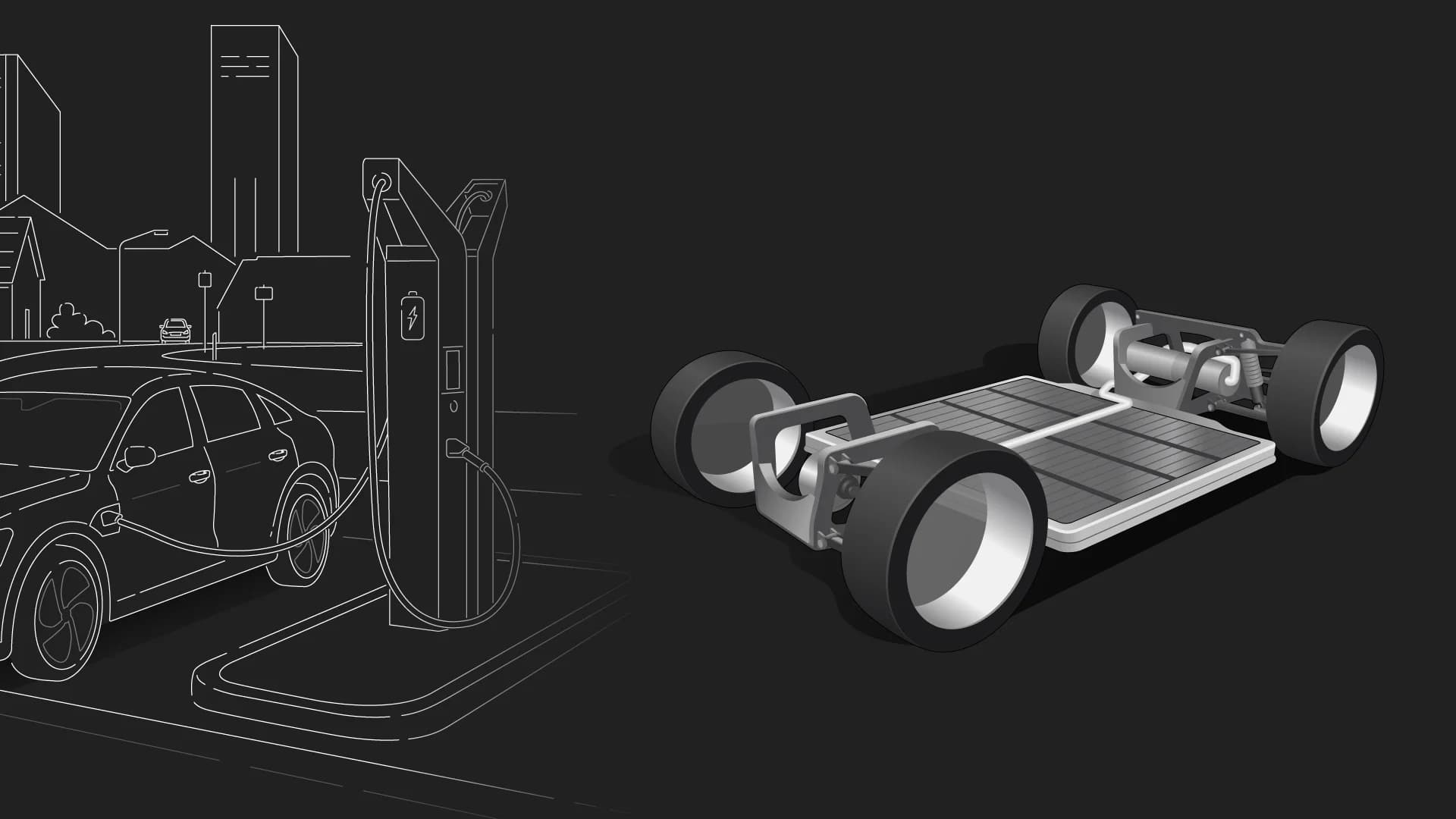
Thermal runaway detection
Detect early warning signs to prevent battery fires, system failures, and safety hazards.
Thermal runaway rarely starts with heat. Long before pack-level temperature sensors register a rise, cells release gases that signal the onset of a failure event. Detecting these early warning signs gives battery management systems valuable time to respond – protecting passengers, assets, and manufacturer reputation.
Why choose our thermal runaway sensors for battery monitoring?
- Early detection of battery failure events
- Automotive-grade sensing technology
- Reliable operation in demanding environments
- Designed for long-term vehicle lifetimes

Why Sensirion should be part of your solution
AEC Q100 qualified sensor technology
Sensirion's sensor solutions comply with the strictest quality standards and thus offer the highest reliability.
Learn more

Why Sensirion should be part of your solution
Sensirion's sensor solutions comply with the strictest quality standards and thus offer the highest reliability.
Learn moreEarly detection for battery safety
The safety challenge inside every battery pack
Modern EV battery packs contain large amounts of stored energy. While advanced battery management systems significantly reduce risk, early fault detection remains one of the most critical challenges in battery safety.
Why is the detection window so short?
Thermal runaway is not a sudden event. It develops through a sequence of chemical reactions inside the cell. The earliest warning signs are often invisible, arising before any measurable increase in temperature.
Why is conventional monitoring not enough?
Voltage, current, and temperature measurements play a crucial role in battery protection. But by the time temperature sensors detect abnormal heat generation, it may be too late to stop the failure process.
Hydrogen: an early warning signal for thermal runaway
Among the gases released during the earliest stage of cell failure, it is typically hydrogen that first appears in measurable concentration – ahead of the rise in temperature that conventional monitoring detects. That makes it a practical target for early gas sensing before the failure becomes self-sustaining.
How early detection supports BMS intervention
Detecting cell venting at the earliest stage enables the BMS to initiate protective actions such as cooling, power limitation, system warnings, or module isolation before a critical safety event occurs.

Want more detailed information?
Download our latest article on EV safety for free. Our expert Martin Ebner provides an in-depth understanding of safety technology and the importance of sensor technology.

Want more detailed information?
Download our latest article on EV safety for free. Our expert Martin Ebner provides an in-depth understanding of safety technology and the importance of sensor technology.
Article on EV safetyThree requirements for reliable battery safety monitoring
High confidence, minimal false alarms
Battery systems operate in highly dynamic environments. Detection methods have to accurately identify genuine failure events while avoiding false alarms caused by normal operating conditions, which erode trust in the system and can trigger unnecessary interventions.
Long-term signal stability
Automotive platforms are expected to run reliably for more than a decade. Safety-critical sensing has to maintain performance levels despite aging, environmental stress, and changing operating conditions, throughout the vehicle’s full service life.
Reliability under real-world conditions
Battery sensors have to withstand temperature fluctuations, vibration, humidity, and contaminants. Credible safety decisions rely on measurements that are just as accurate and repeatable under these demanding conditions as they are in the lab.
Hydrogen sensor options for thermal runaway detection
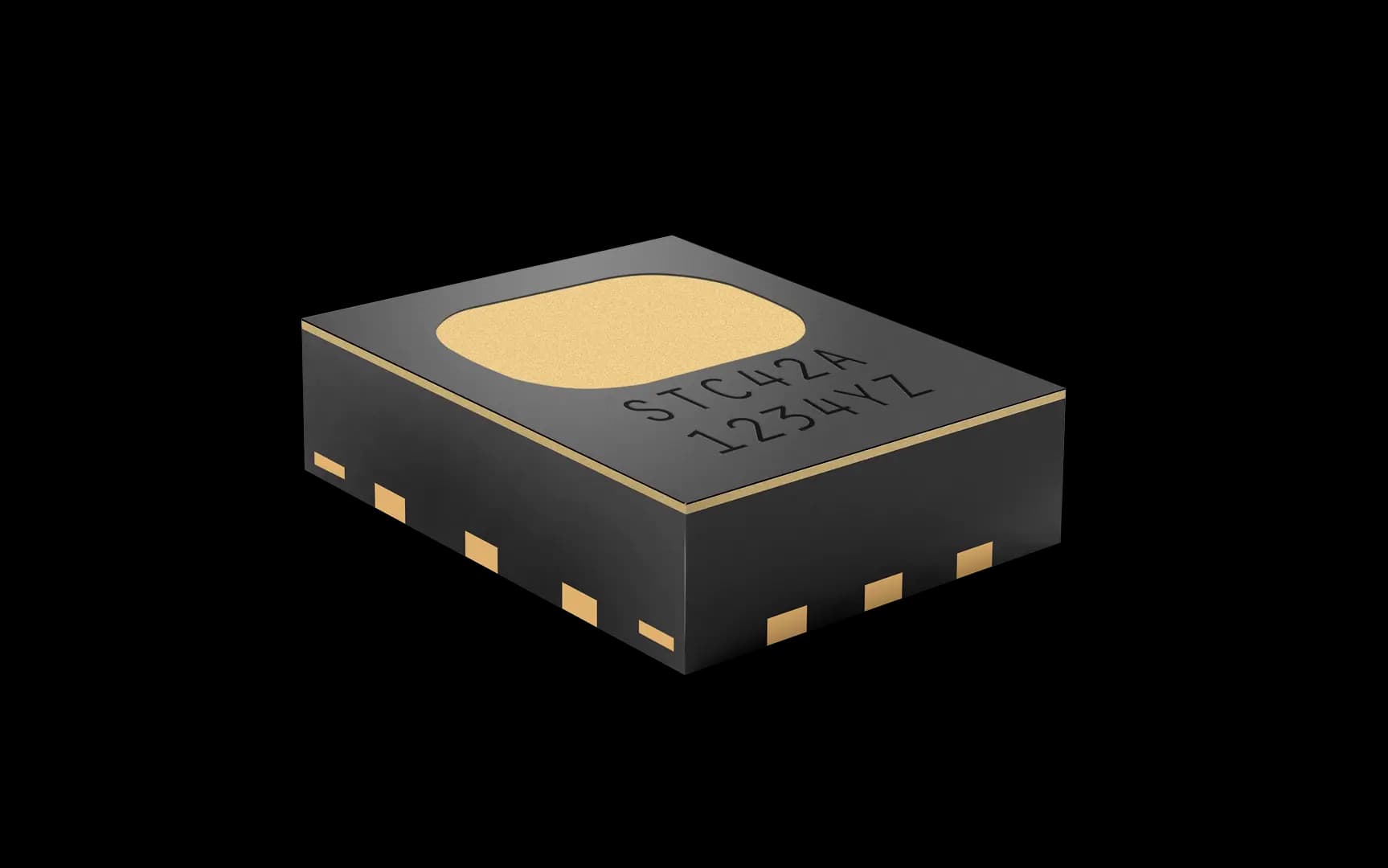
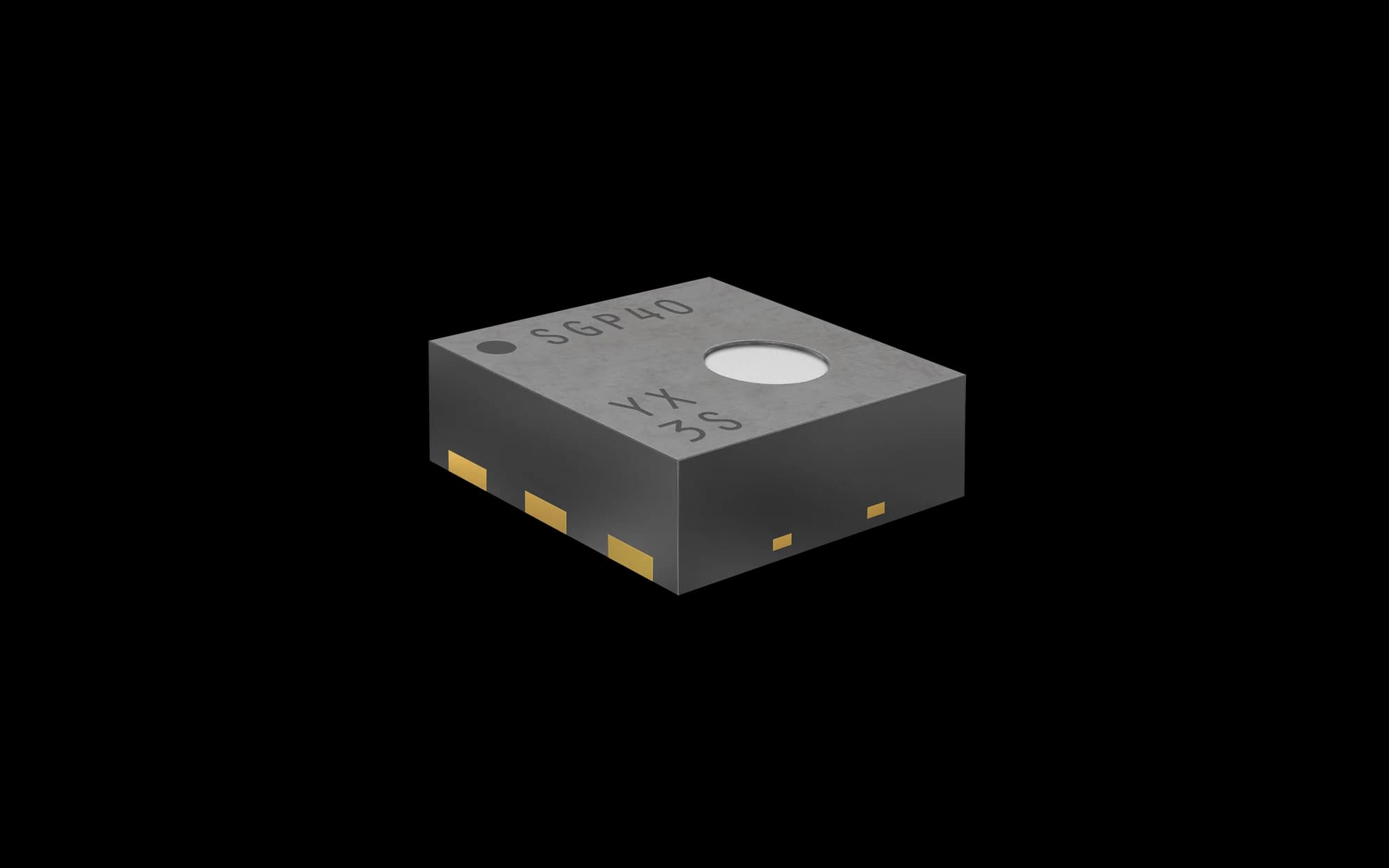
Sensirion offers STC42A and SGP42A as alternative H₂-sensing technologies for battery monitoring. The right choice for you will depend on your pack architecture, response-time requirements, and integration constraints.
Comparison of response time, package size, and integration requirements

Complementary smoke detection for battery safety systems
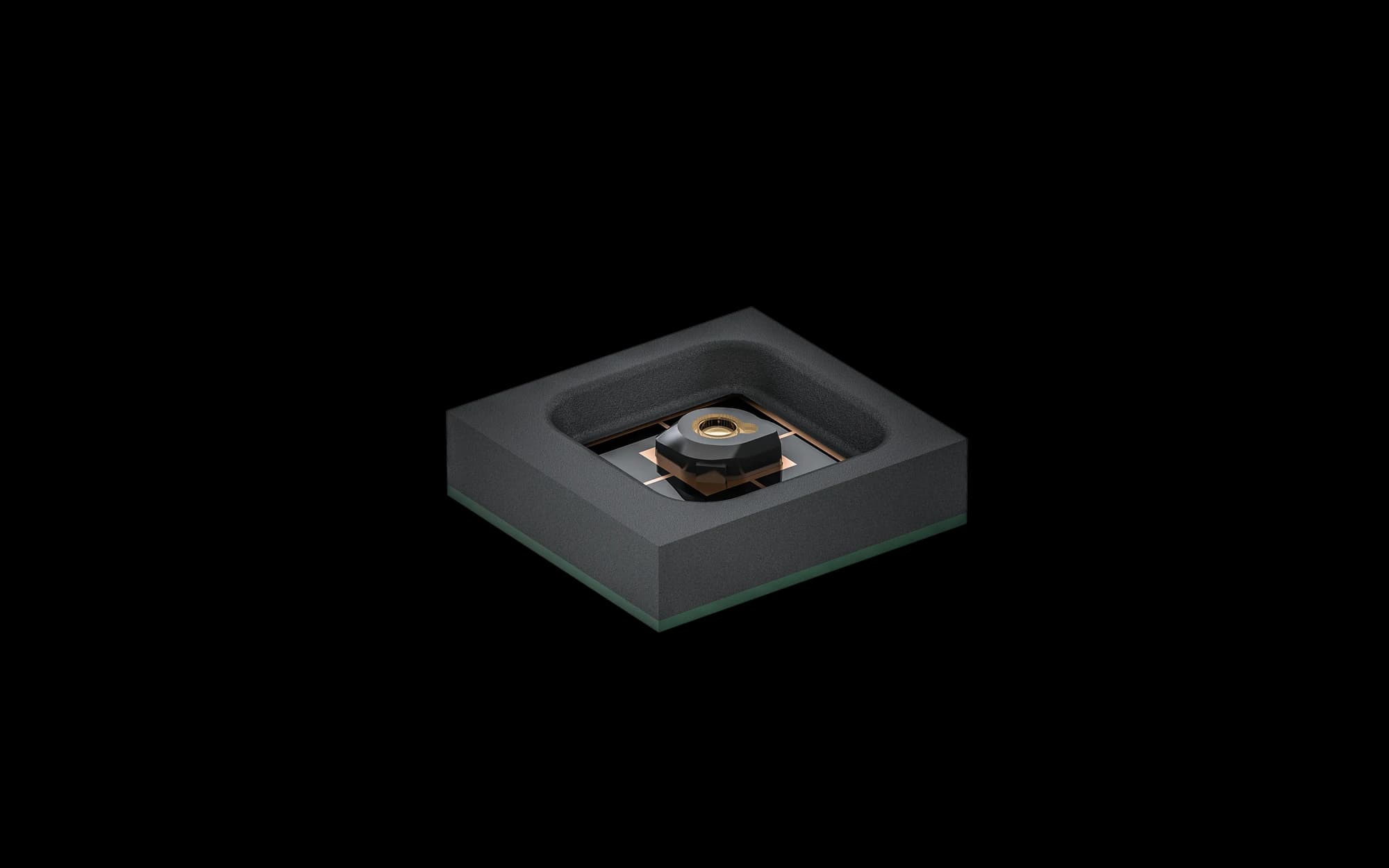
Particle-based smoke detection can be included alongside H₂ sensing as part of a broader monitoring concept.
Sensirion supports component selection and design-in guidance. The system integrator retains control over application-specific details such as placement, thresholds, diagnostics, and the use of individual signals; no single sensor can ensure compliance at the pack or vehicle level in isolation. Ultimate validation takes a complete system design in line with applicable market requirements.
FAQ
No. Gas sensing complements existing monitoring methods. Robust battery safety architecture typically combines voltage, current, temperature, pressure, and gas measurements.
The exact gas composition depends on the battery chemistry and failure mode. Common indicators include hydrogen, carbon monoxide, and electrolyte-related vapors.
Detection timing depends on cell design, battery architecture, sensor placement, and the specific failure mechanism involved.
Installation locations vary by application and may include pack enclosures, module areas, or ventilation paths. Sensor placement is optimized in the course of system design.
Qualification levels depend on the specific product and should be confirmed according to the relevant automotive standards and requirements.