Demand-controlled ventilation
Precise CO₂ sensing for energy-efficient, demand-based ventilation
Fresh outdoor air is essential for healthy indoor environments, but conditioning that air accounts for a significant share of a building’s energy consumption. Demand-controlled ventilation (DCV) optimizes this balance by supplying outdoor fresh air only when and where it is needed.
Combined with variable air volume (VAV) systems, CO₂-based demand control dynamically delivers the required amount of fresh air to each building zone. CO₂ sensors in HVAC systems indicate occupancy-related demand while reducing the energy required for heating, cooling and dehumidifying.
This approach supports compliance with the ASHRAE 62.1 Ventilation Rate Procedure (VRP), which determines outdoor air requirements based on both occupant density and floor area.
In Europe, similar ventilation concepts are defined in EN 16798-1, which describes occupancy-based ventilation and demand-controlled airflow strategies that are also based on CO2 measurement for achieving indoor air-quality and energy-efficiency targets.
How our sensors improve demand controlled ventilation (DCV)
Reduce ventilation energy consumption
Highly accurate CO₂ sensors enable reliable occupancy and fresh air demand detection, providing the foundation for intelligent DCV strategies. HVAC control systems can use these measurements to ensure healthy indoor air quality while minimizing unnecessary energy consumption for heating, cooling or (de-)humidifying.
Reliable measurements for smart ventilation control
Building control systems and ventilation systems are becoming increasingly complex and sophisticated. To benefit from the full functionality of the systems and maintain the required indoor conditions, reliable control parameters such as air mass flow, temperature, humidity, dewpoint, CO2-, PM2.5 and formaldehyde concentration are needed. These are provided by high-precision measurement sensor technology.
Respond to changes in indoor air quality
Environmental sensors help reveal invisible impurities in the air. If the air is too polluted, HVAC systems can use this data to adjust outdoor airflow or filtration so that the indoor pollutant load can be reduced.
Enable autonomous ventilation control
Intelligent automation systems based on advanced measurement sensor technology enable autonomous operation of the ventilation system without any effort for technicians, service personnel or users. The goal is to enable fully autonomous building control.
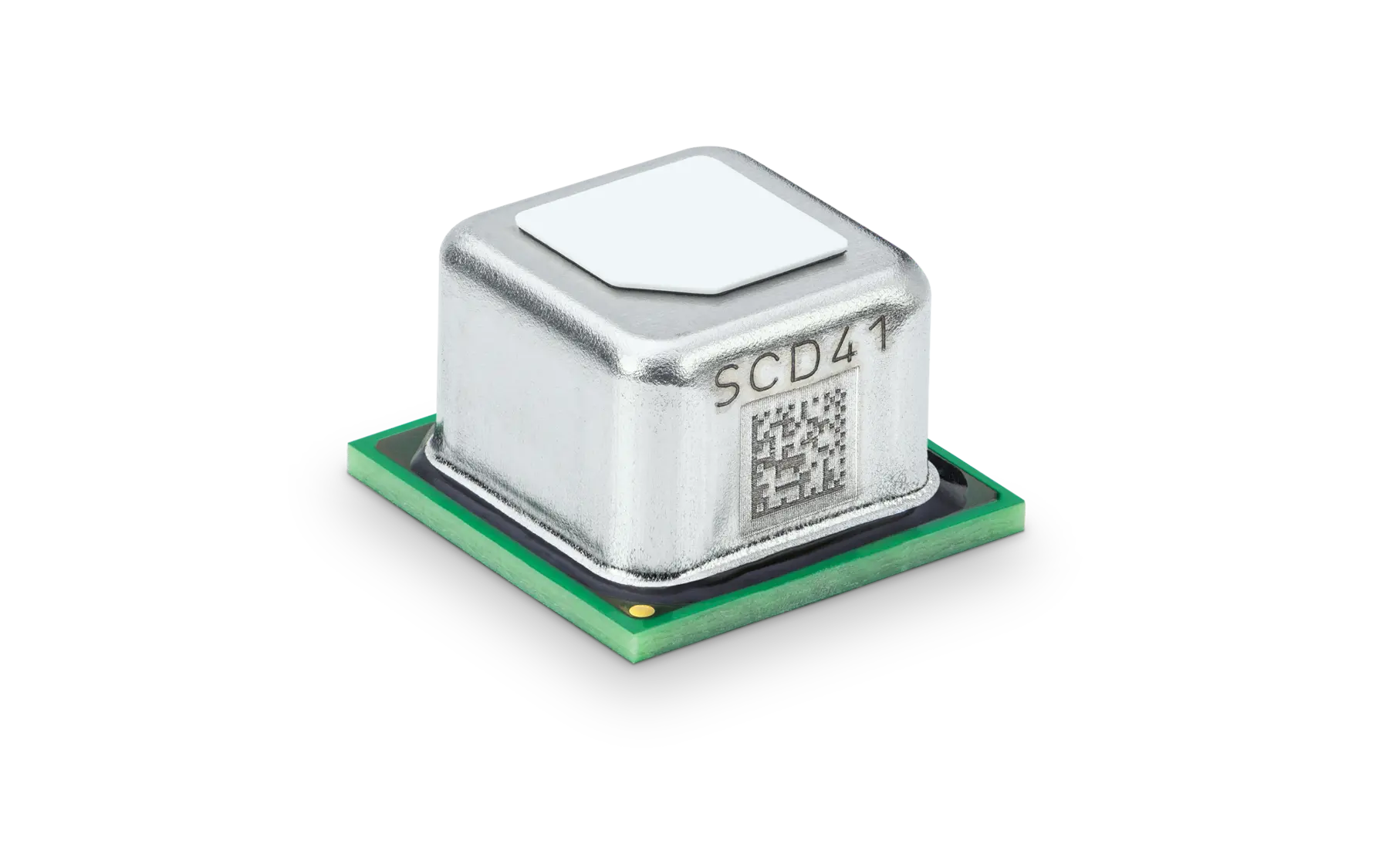
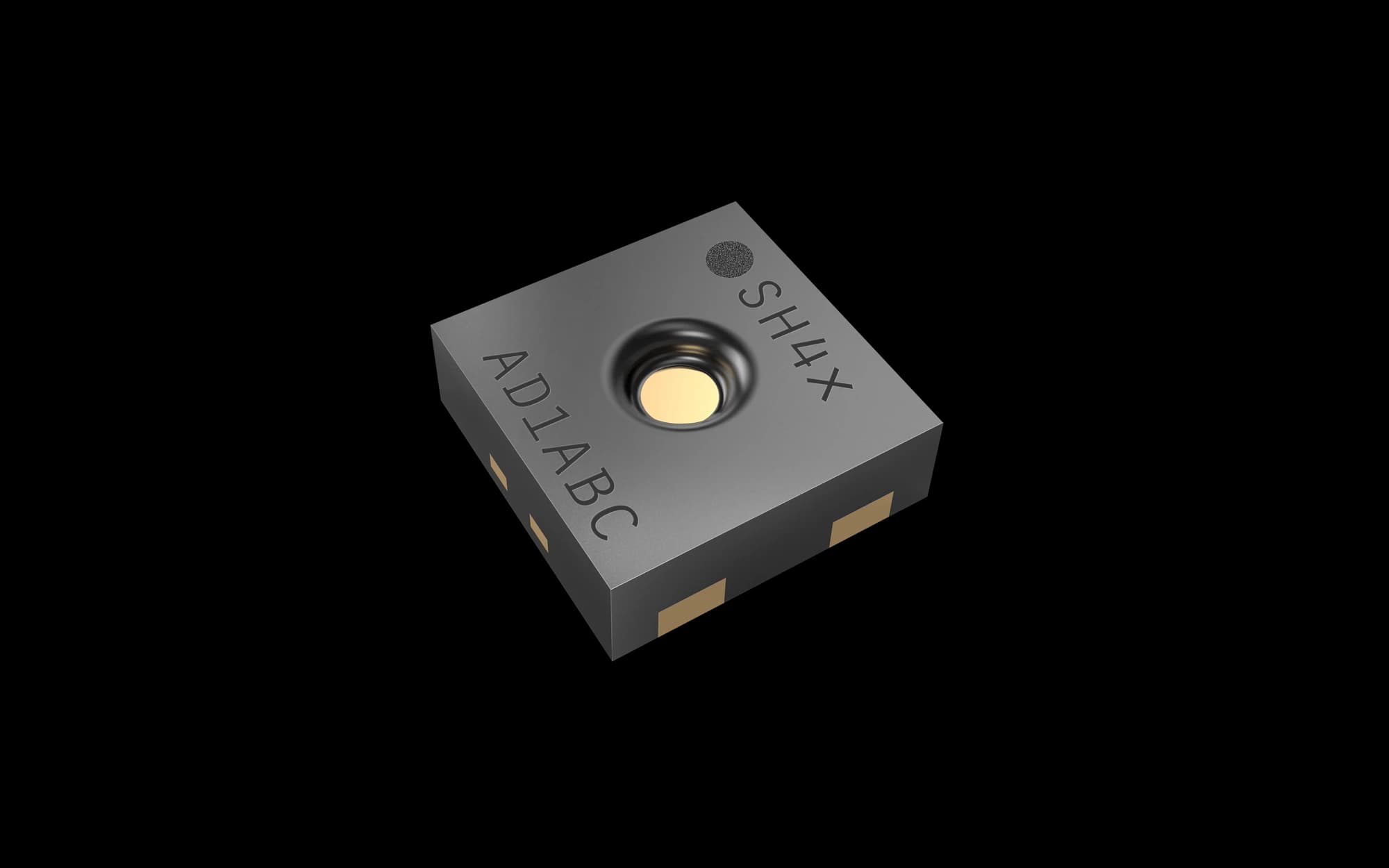
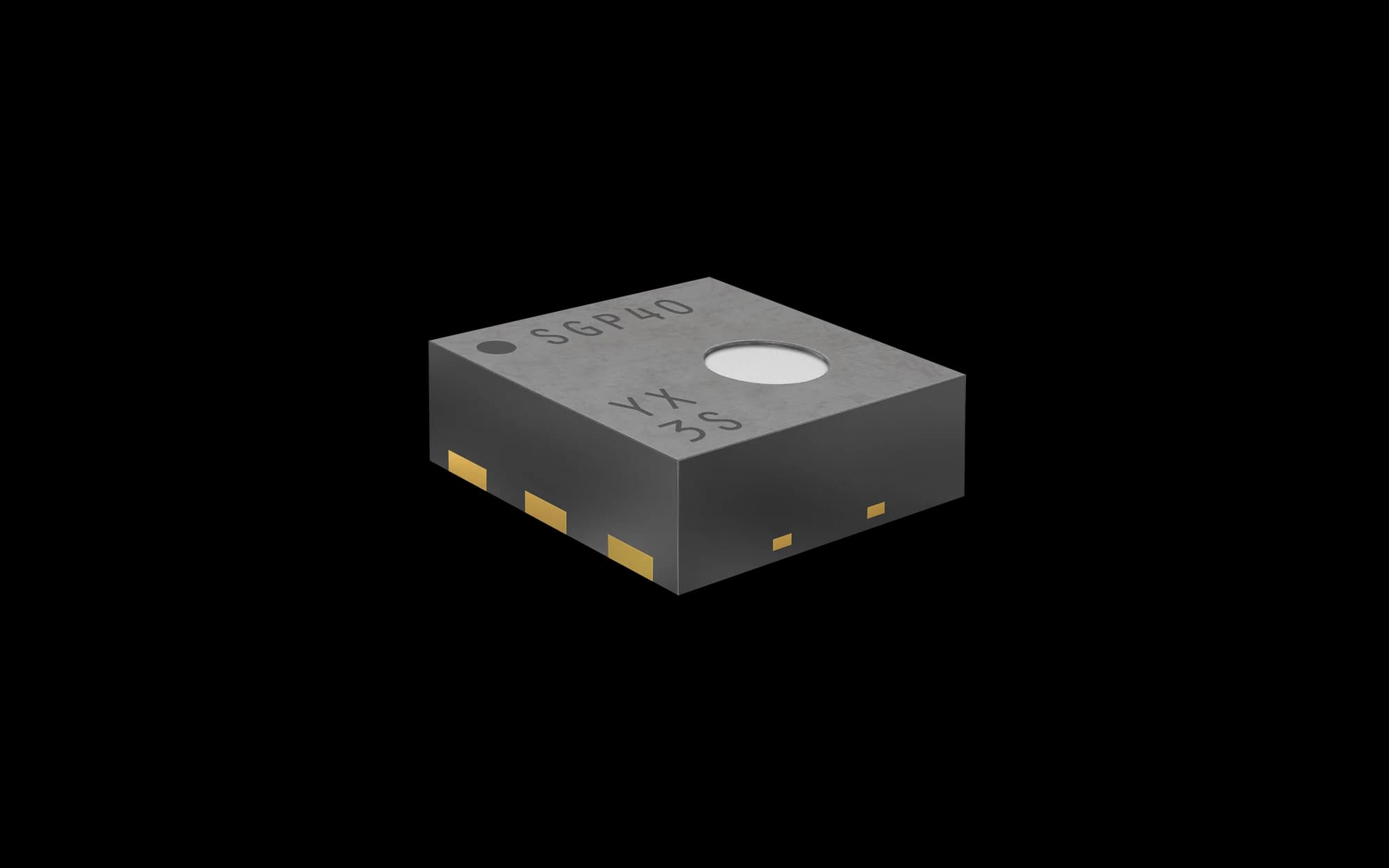
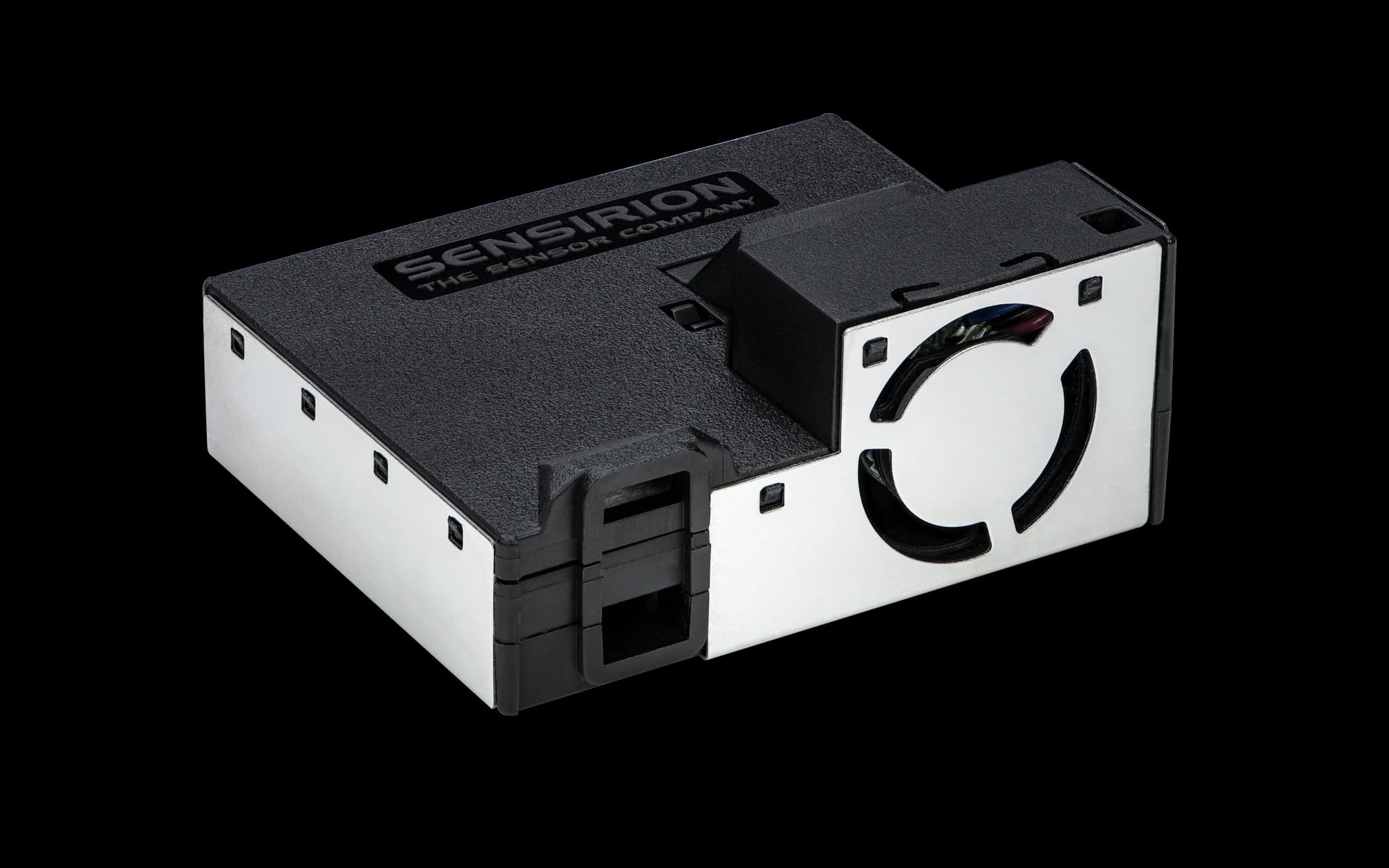
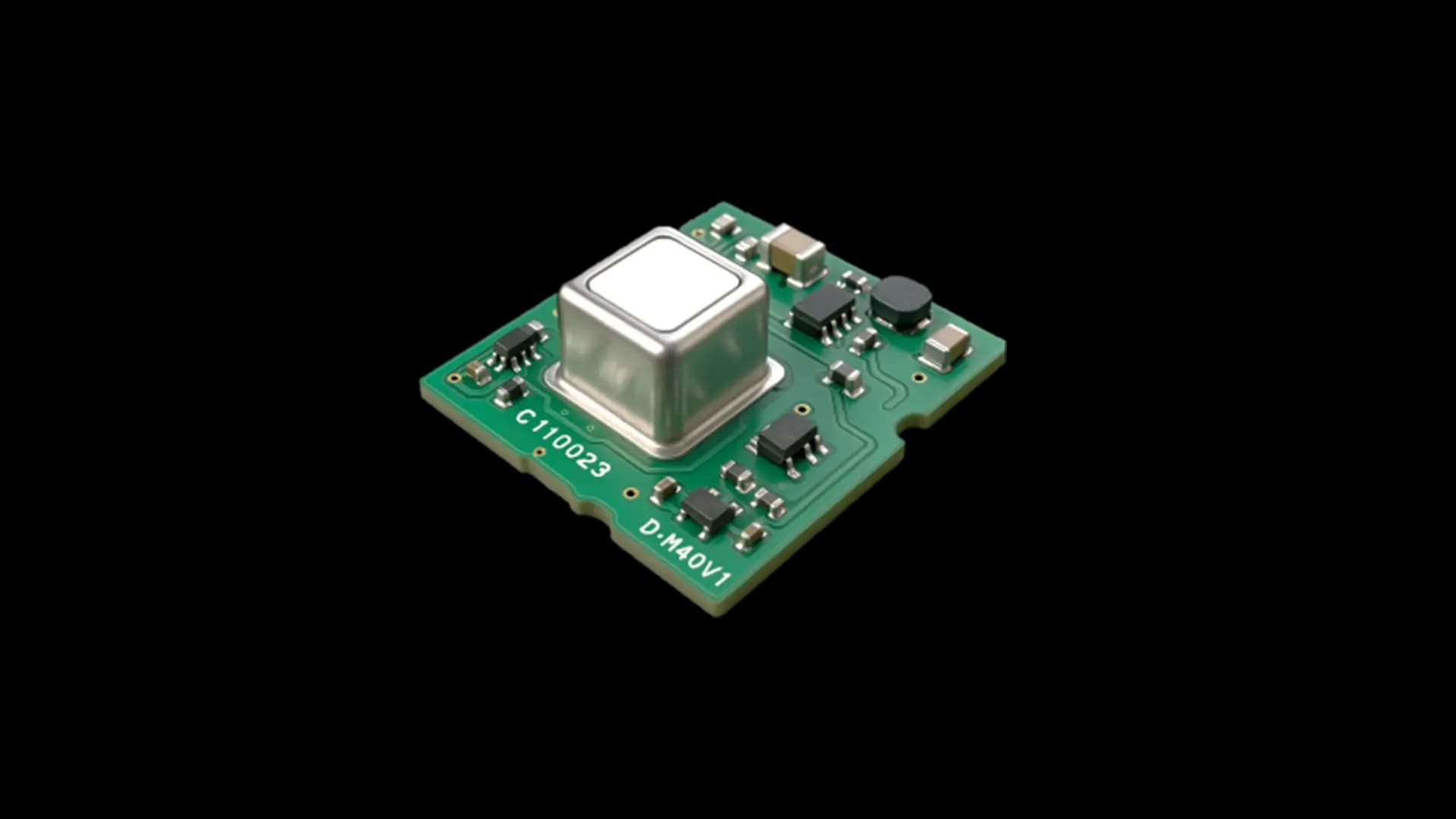
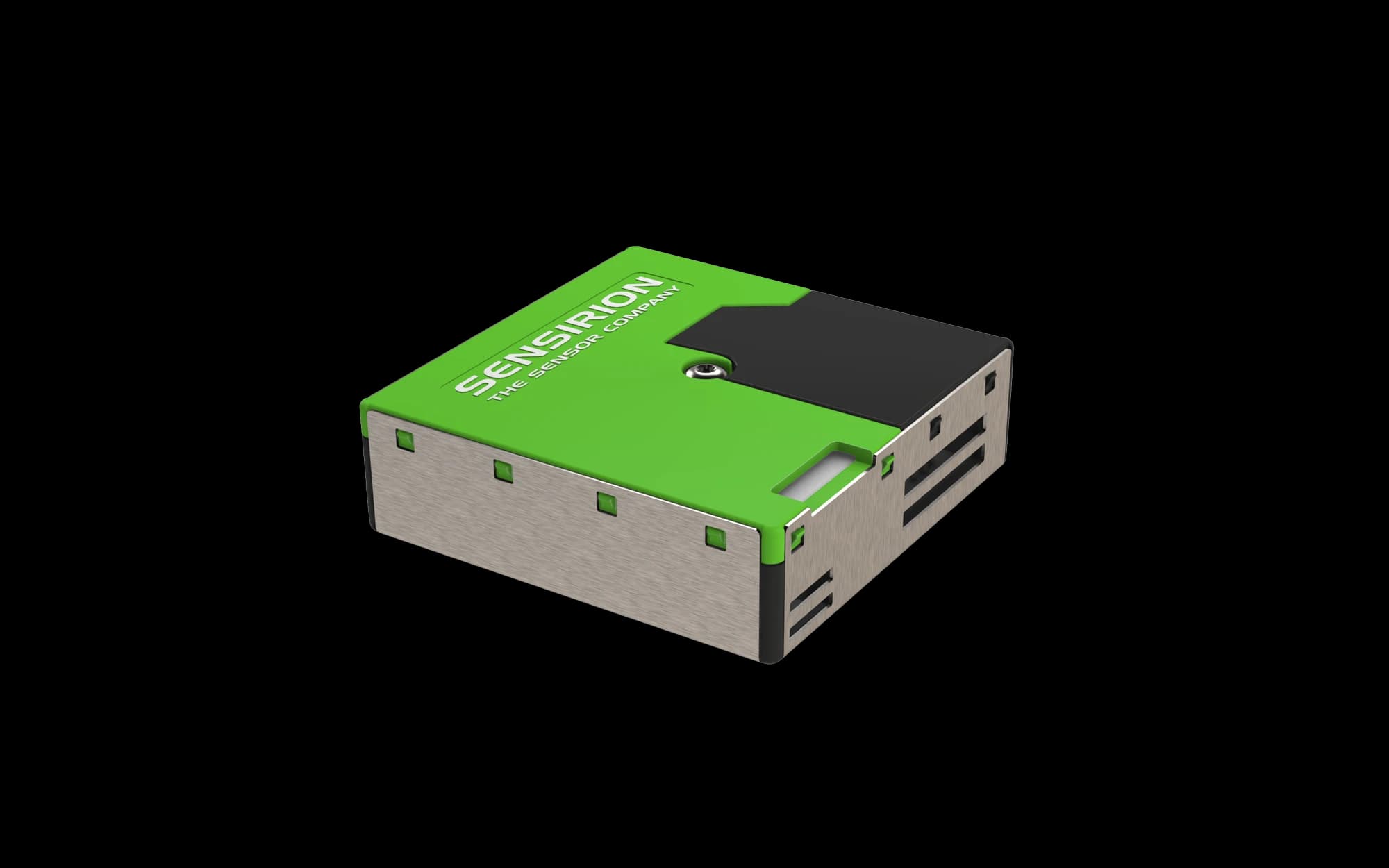
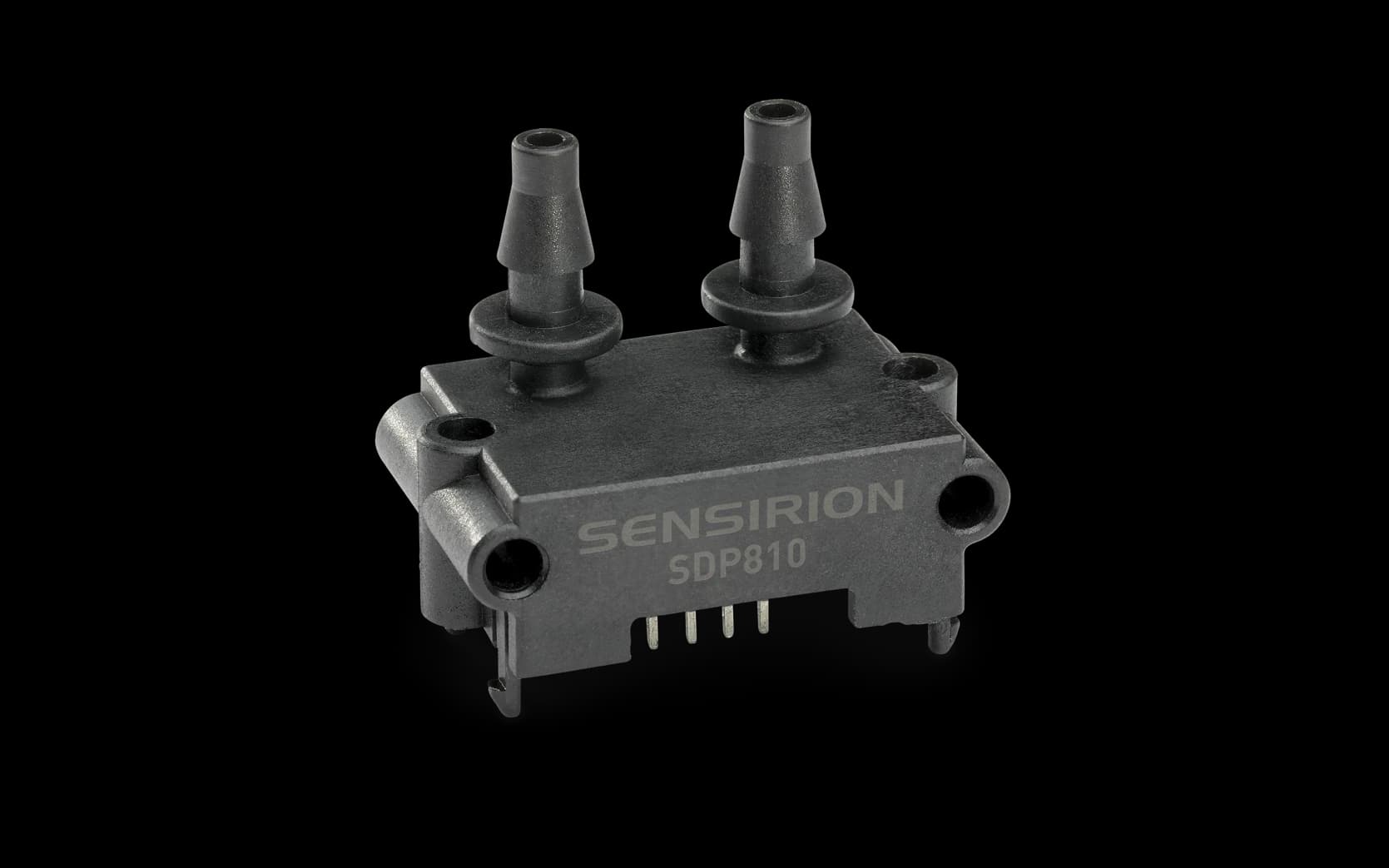
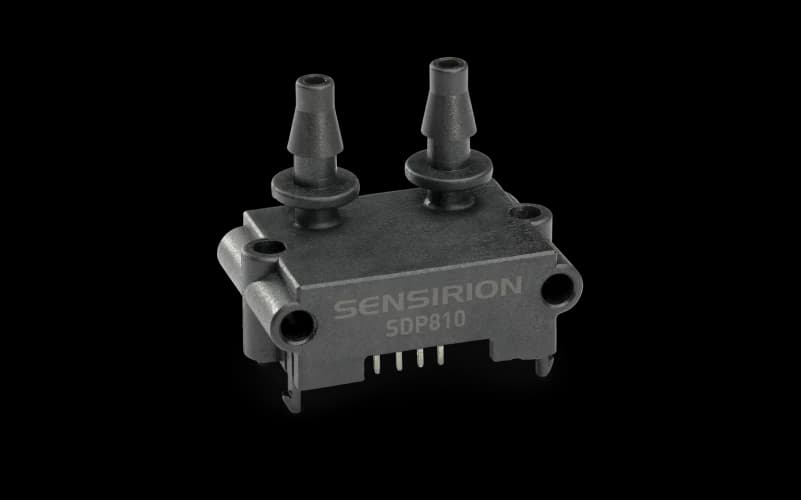
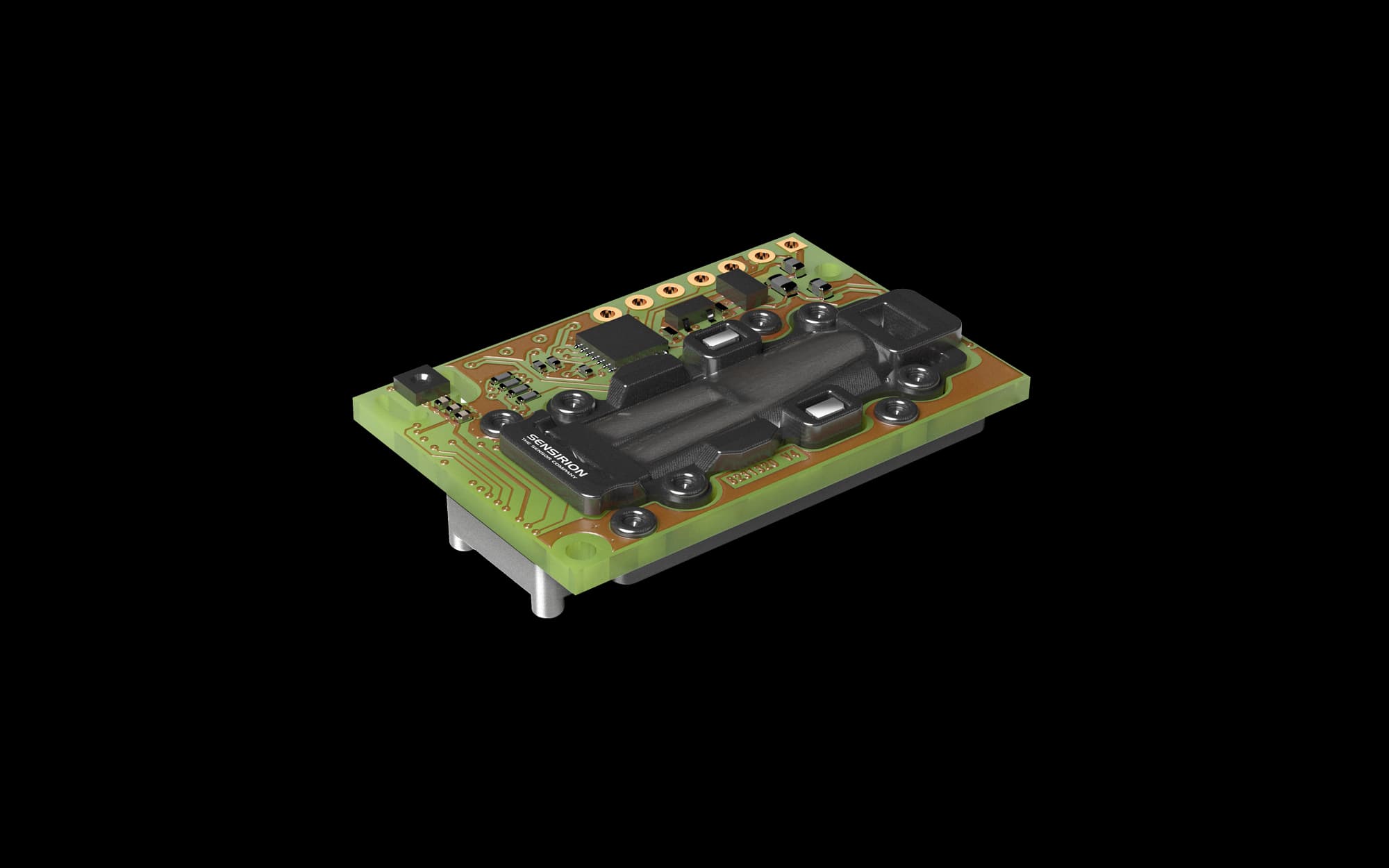
Recommended sensors for demand control ventilation

Want to learn more?
Our specialist article explains how high-accuracy CO₂ monitoring enables compatibility with ASHRAE 62.1 while supporting energy-efficient ventilation strategies. Learn how next-generation CO₂ sensors help balance indoor air quality, energy performance, and occupant wellbeing.
Download now
Indoor air quality
In recent years, a new demand for clean air has developed among many people who value healthy living. When it comes to air quality, most of them rightly are worried about atmospheric pollution, but tend to forget about indoor air pollution.
Read more about indoor air quality