Mechanical ventilators
Precise and safe patient ventilation using ventilator flow sensors
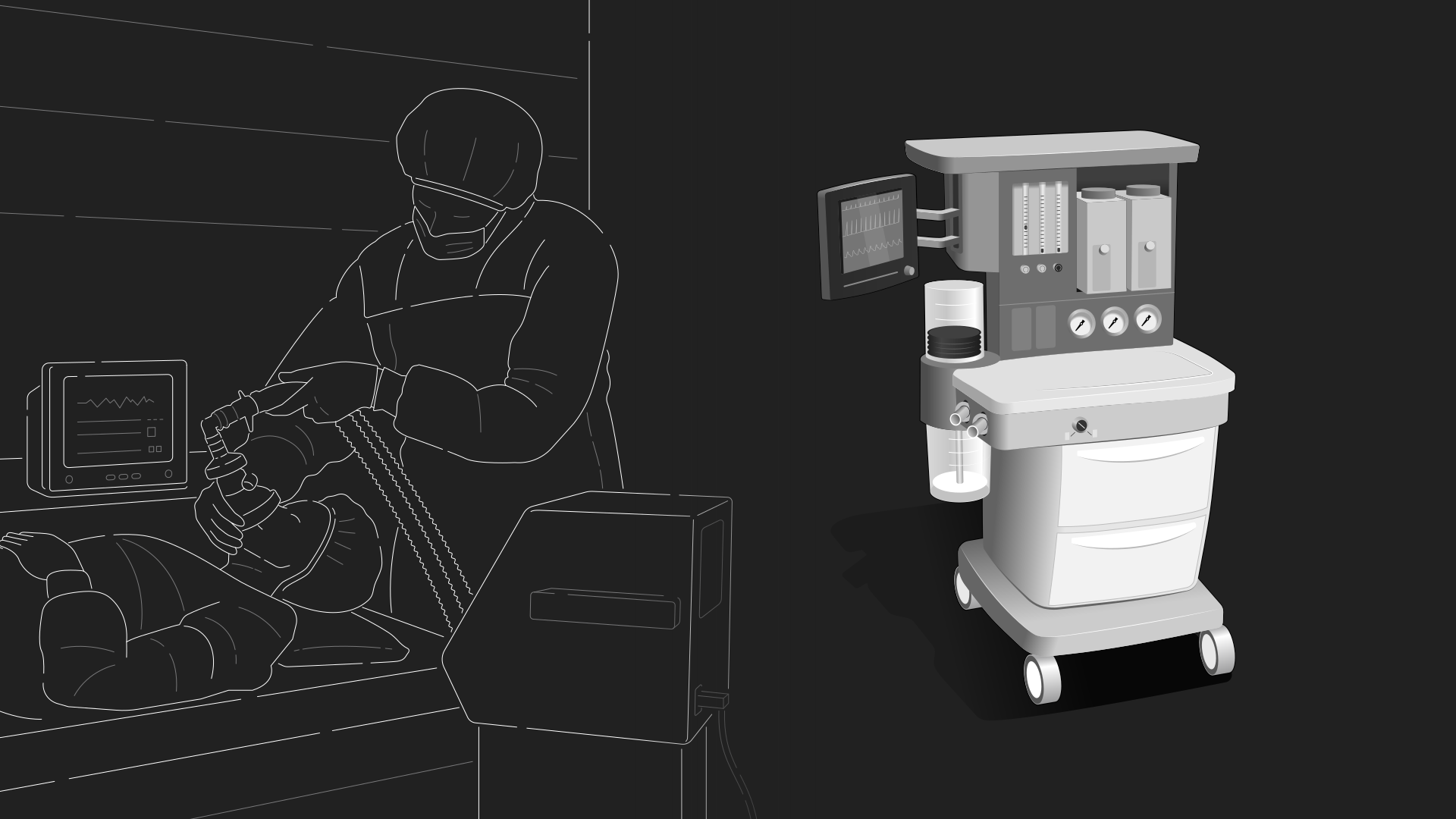
Mechanical ventilation, a cornerstone of respiratory care, is a life-saving intervention that assists or replaces spontaneous breathing. Primarily used in intensive care units (ICUs) but also in transport or homecare, it supports patients with acute respiratory failure or severe chronic lung conditions.
Mechanical ventilators deliver controlled breaths through an endotracheal tube (invasive ventilation) or noninvasive interfaces like masks (NIV ventilation), ensuring adequate oxygenation and carbon dioxide (CO2) removal.
Flow sensors play a crucial role in accurately delivering the right amount of gas, breath by breath and assure a precise gas mixing of air and oxygen. These sensors enable precise adjustments of respiratory rate, tidal volume, and pressure settings, ensuring optimal gas delivery.
Despite the life-saving benefits, mechanical ventilation can lead to complications such as lung injury, ventilator-associated pneumonia (VAP) and other complications like infections. Hence, healthcare providers strive to wean patients off mechanical ventilation as soon as possible to facilitate a return to spontaneous breathing. Manufacturers offer sophisticated ventilation modes enabled by fast flow sensors to improve patient outcomes.
How our ventilator flow sensors make a difference
Dedicated flow sensors for ventilation
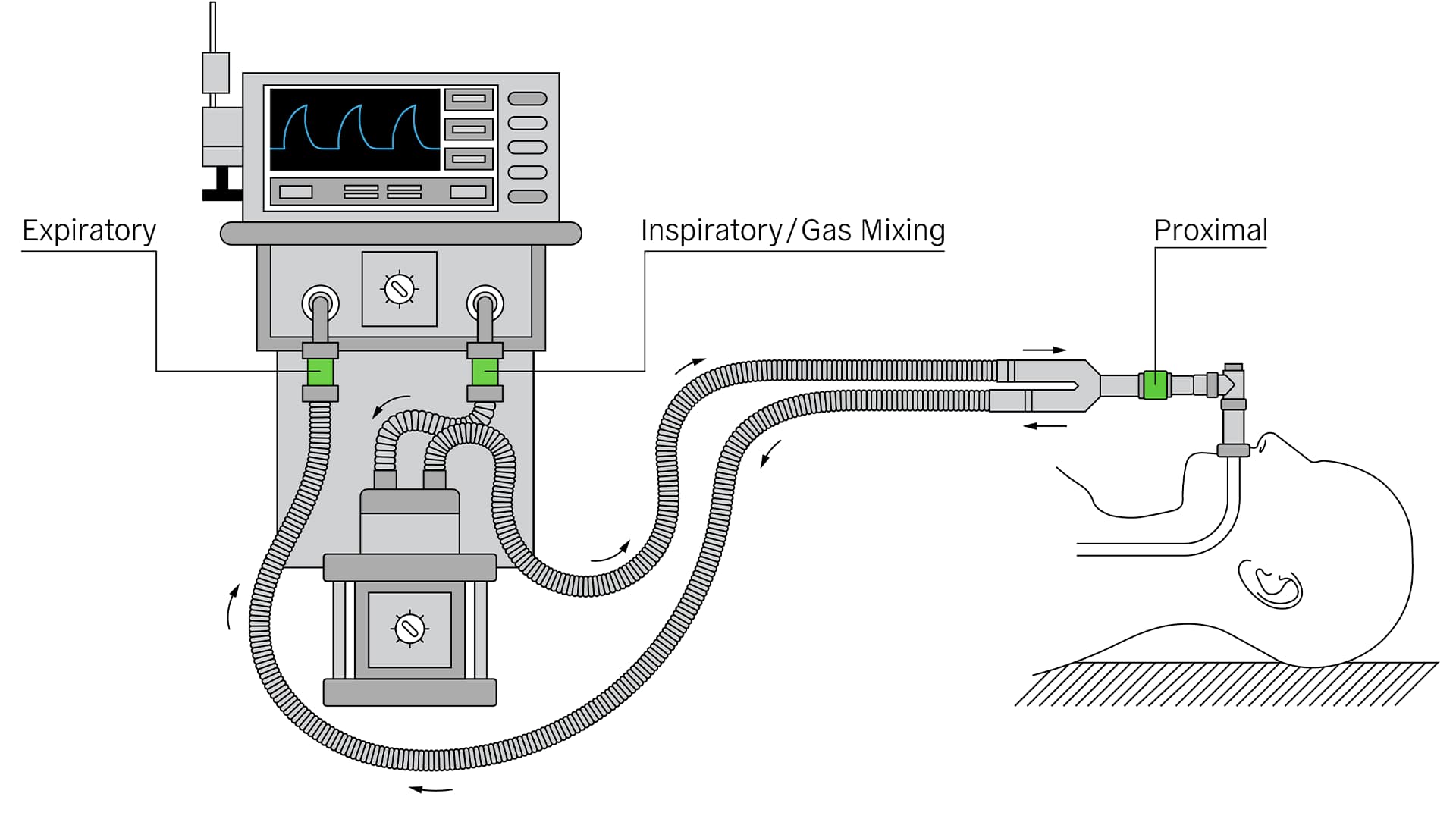
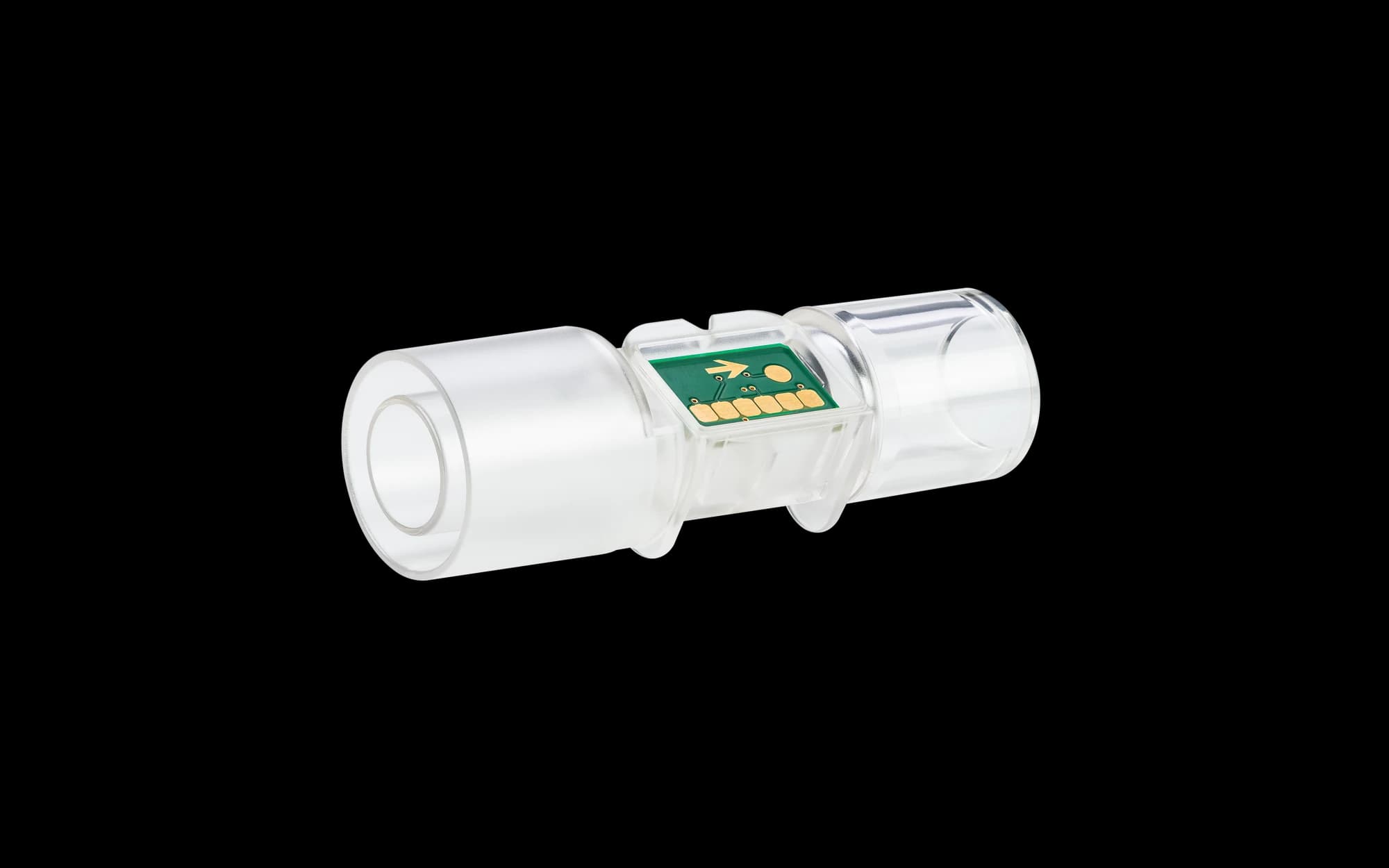
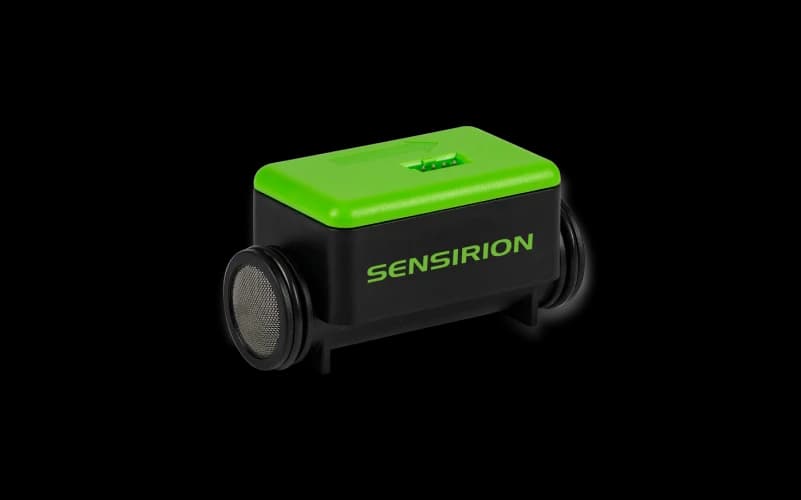
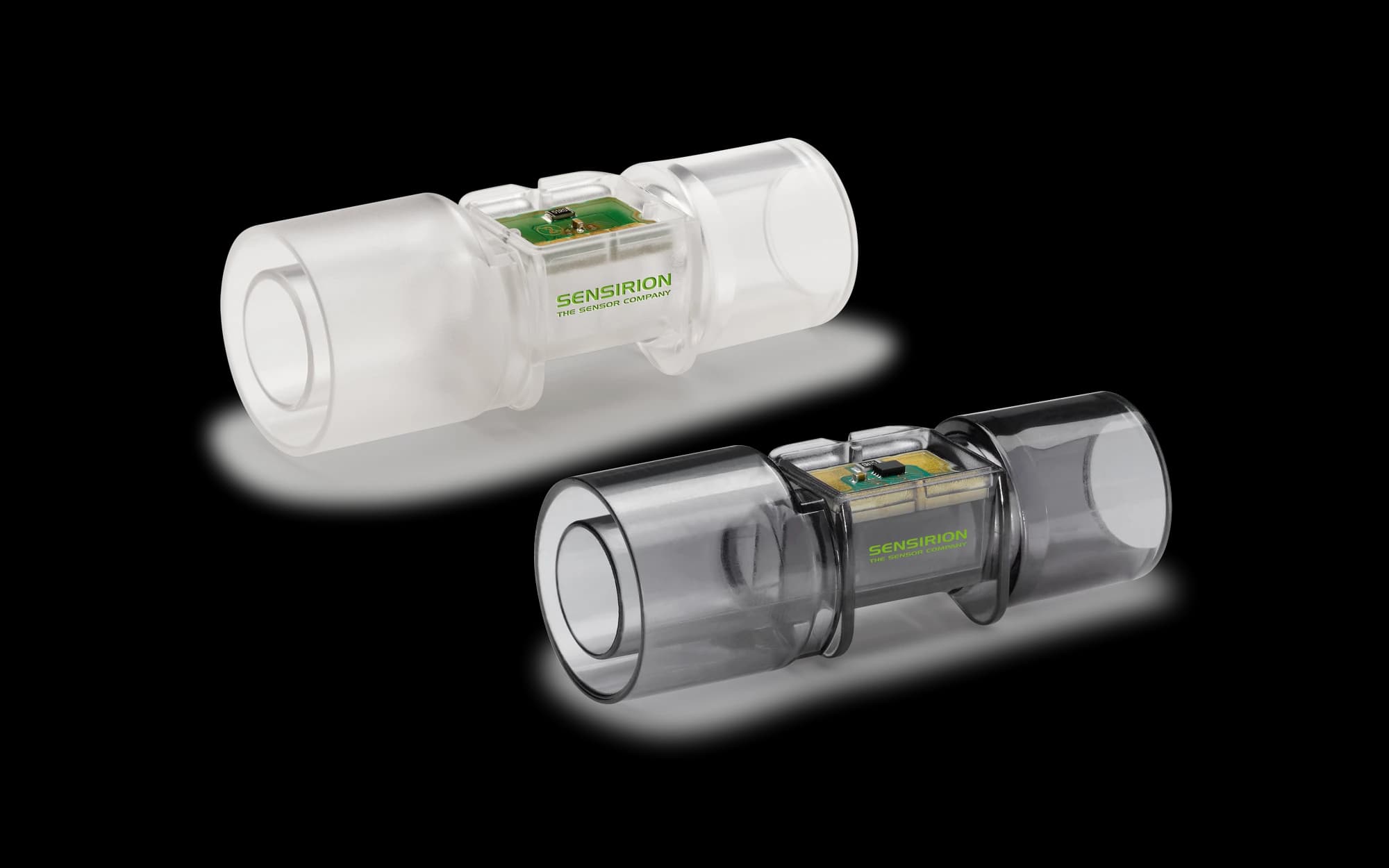
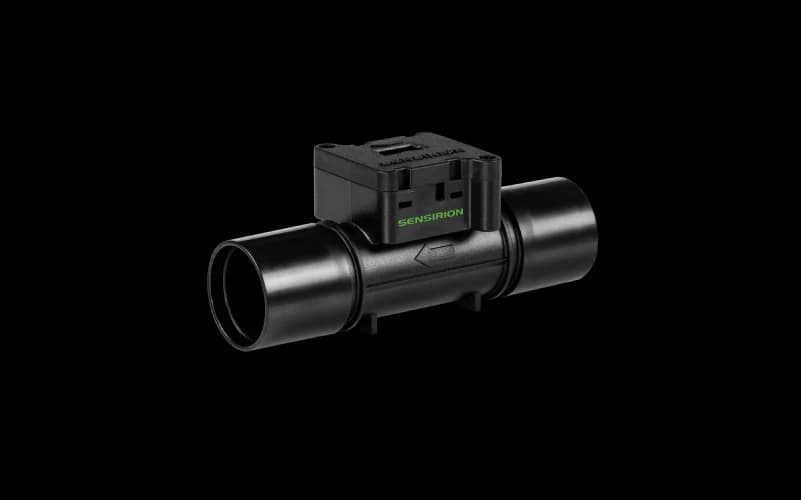
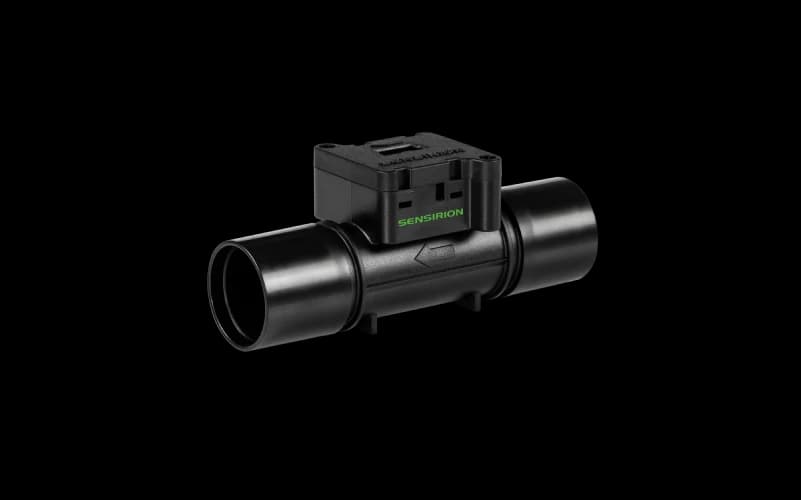
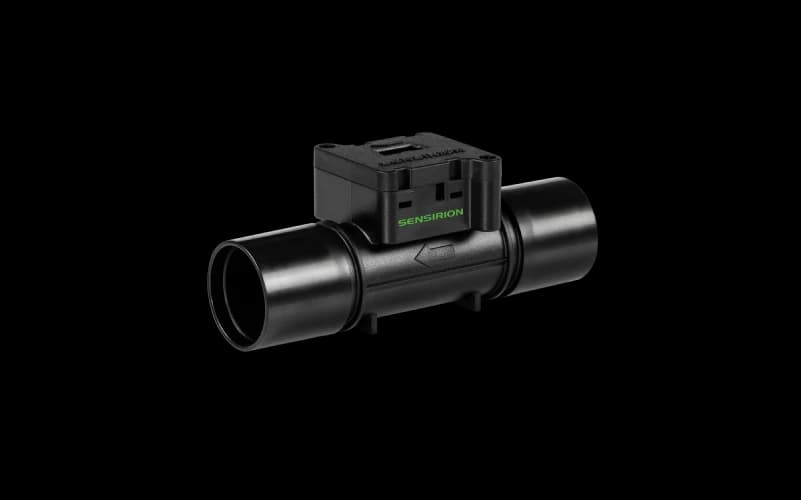
Our product portfolio includes dedicated sensors for inspiratory, expiratory and proximal flow measurements in ventilators for the treatment of adults and neonates / infants. This means that you can obtain all flow sensors from a single source.
Accurate flows, no recalibration needed
Fully calibrated and temperature compensated sensors and the demonstrated long-term stability of Sensirion’s CMOSense technology (no drift over time) assure ventilation accuracy throughout the vent lifetime without the need for recalibration.
Reliable solution to high humidity and condensation environments
Proximal and expiratory sensors include a heater that avoids humidity and condensation problems.
Our flow sensors are precisely calibrated for air, oxygen, and mixtures of air and oxygen, enabling accurate gas mixing and total gas delivery measurement. The bi-directional measurement capability allows for the detection of back-flows, helping to identify potential contamination in the ventilator. Additionally, the ultra-low flow resistance (pressure drop) minimizes pneumatic energy consumption, thereby extending the ventilation duration when operating in battery powered mode.
Where to measure flow?
Beyond these general advantages of Sensirion's SFM3xxx flow sensor portfolio, each sensor offers unique features tailored to specific needs.
Sensor selection guide
Use the selection guide to find the best sensor for your requirements.
Open hereYour expert in medical ventilation
Trusted and proven
The strong reputation we have built over the past two decades in automotive, medical and industrial applications is founded on our reliable flow sensor portfolio, which is well-known for its outstanding performance.
Expertise and knowhow
Benefit of our extensive expertise and knowledge in respiratory care such as ventilation or high flow therapy for flow and concentration solutions
Reliable partner
Repeatedly proven to be a reliable and dependable partner for our customers, always there when we are needed most.
Most relevant documentation in one place
| Guides | |
| Public application notes | |
Confidential application notes
NDA needed for this info. Please fill in NDA agreement |
|
Learn more about flow sensors in respiratory devices
Explore our sensors
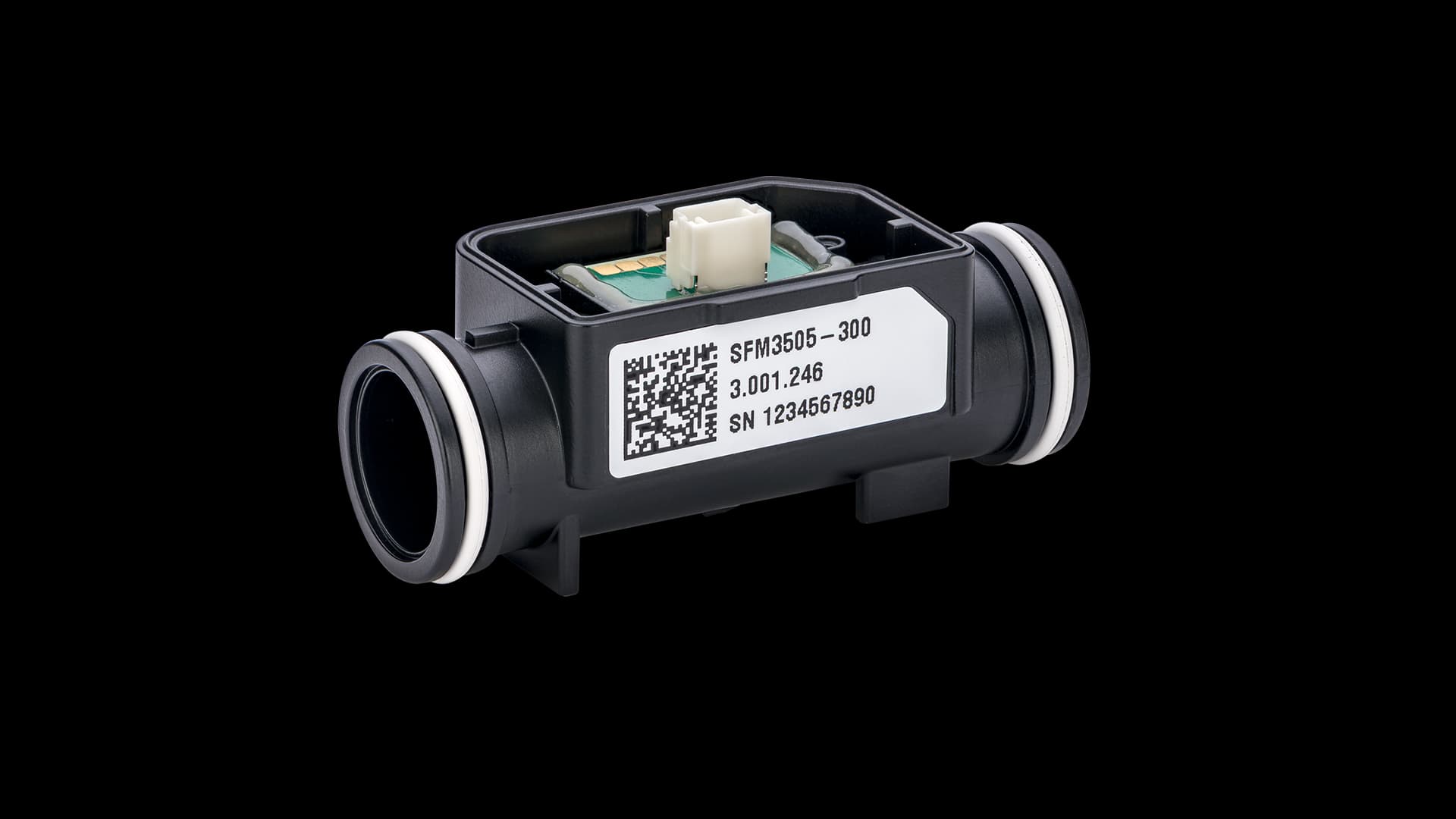
Sensor evaluation
For quick and easy testing, a ready-to-use kit is available for each flow sensor. Together with the provided software and the engineering guide, it enables a plug and play connection between the sensor and a PC. More information about the evaluation kits can be found here. The evaluation kits can be ordered directly from our distributors.
The video below shows how to successfully perform first tests with our flow sensors as well as the evaluation of our SFM3003 mass flow sensor. The evaluation setup also includes our SFC5500 mass flow controller and the CITREX H5 from IMT Analytics as a reference.
Want to learn more?

Flow sensor solutions in modern medical ventilators
Current trends in hospitals show that non-invasive ventilation is used more frequently today and for far more symptoms than ever before.
Learn more
Flow sensors for medical ventilators – all you need to know
Watch our webinar to learn more about the use of our flow sensors in medical devices.
Watch now