Sensoren in Klimaanlagen
Sensorlösungen für effiziente Klimatisierung, Raumluftqualität und zuverlässigen Anlagenbetrieb
Klimaanlagen verbrauchen viel Strom, wenn die Temperatur von Kühlschlangen unter den Taupunkt der Umgebungsluft fällt und dadurch eine Feuchtigkeitskondensation ausgelöst wird. Durch die Integration hochpräziser Sensoren für relative Luftfeuchte und Temperatur kann die Kühlung so eingestellt werden, dass sie oberhalb des Echtzeit-Taupunkts bleibt, wodurch eine energieeffiziente Kühlung und gleichbleibend angenehme Umgebungstemperaturen sichergestellt werden.
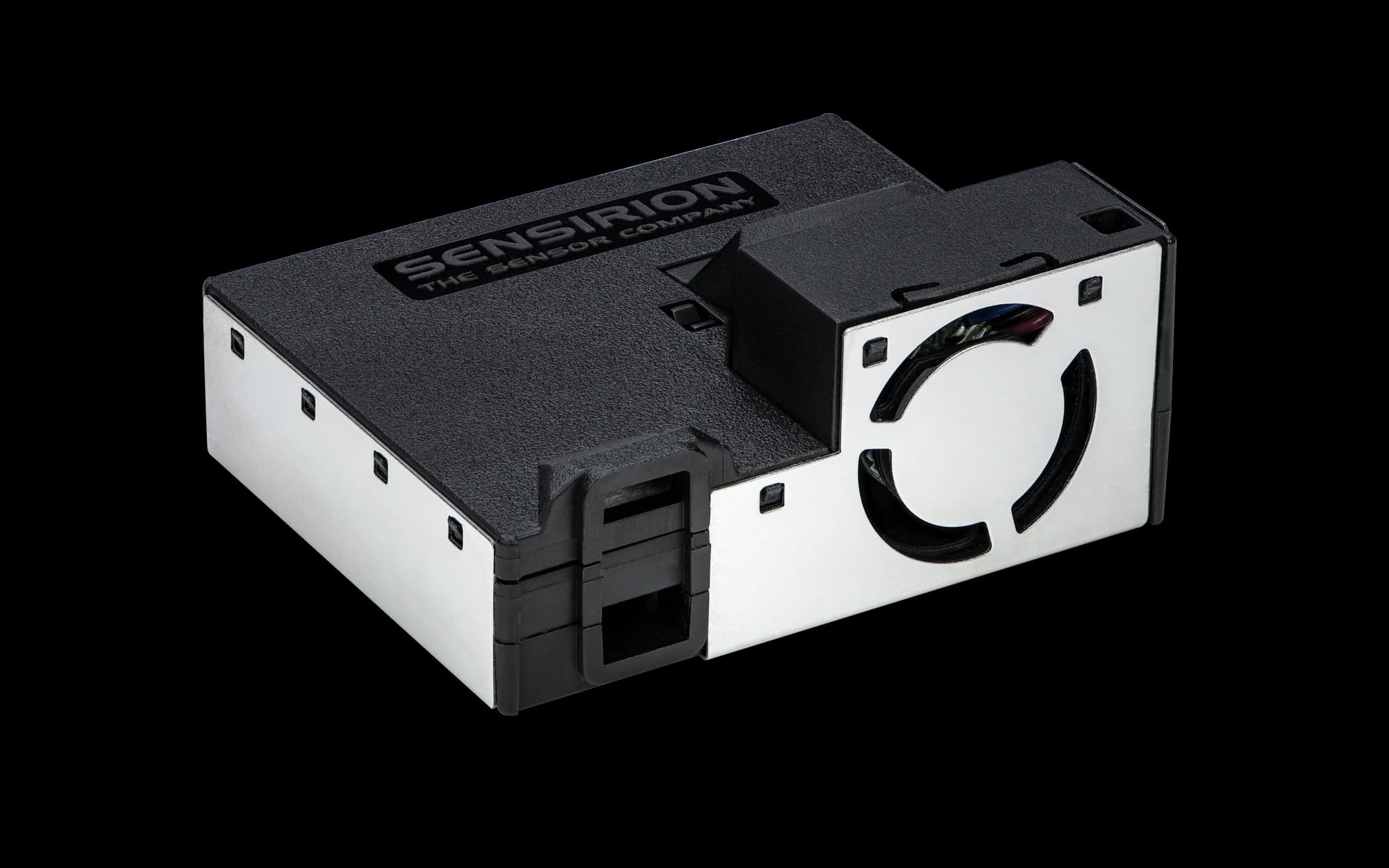
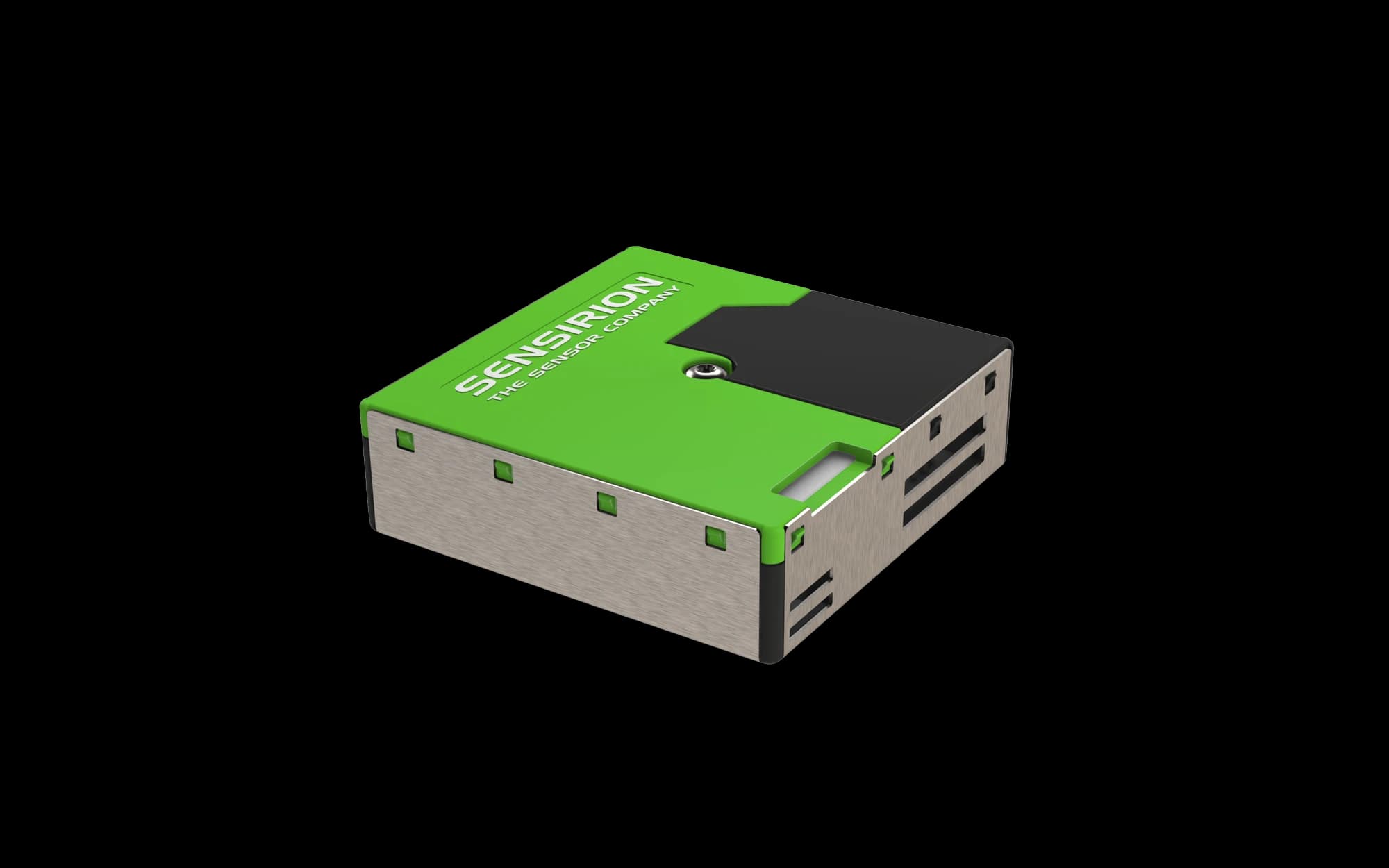
Zusätzliche Klimasensoren für PM2,5, CO₂ und Formaldehyd können die Überwachung der Raumluftqualität erweitern. Die Integration dieser Sensorik ermöglicht es Herstellern, Klimaanlagen um Funktionen wie eine bedarfsgesteuerte Frischluftzufuhr zu erweitern.
Wie unsere Klimasensoren die Effizienz und Sicherheit von Anlagen sowie die Luftqualität verbessern
Temperatur- und Feuchtesensoren für eine effiziente Klimatisierung
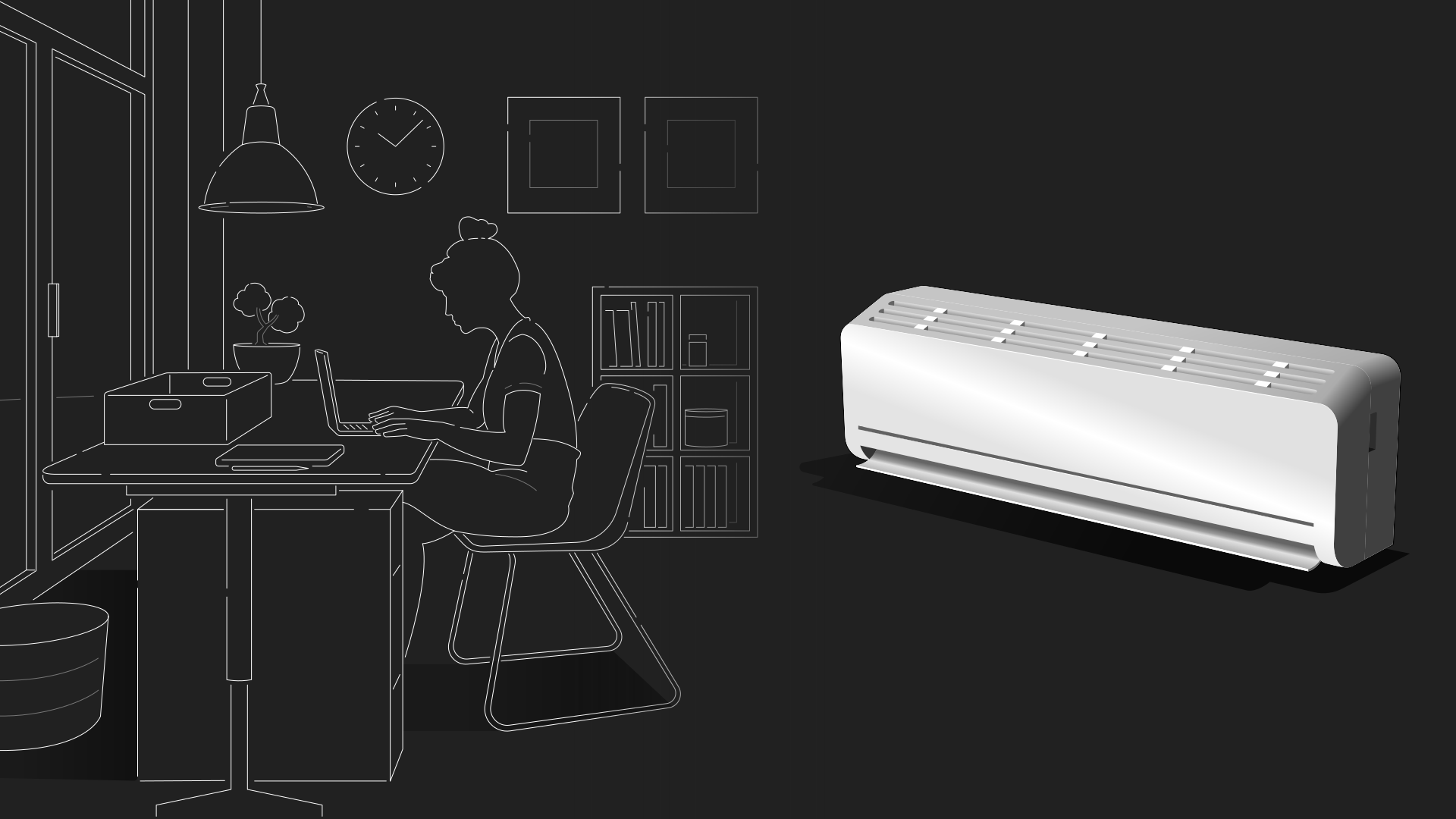
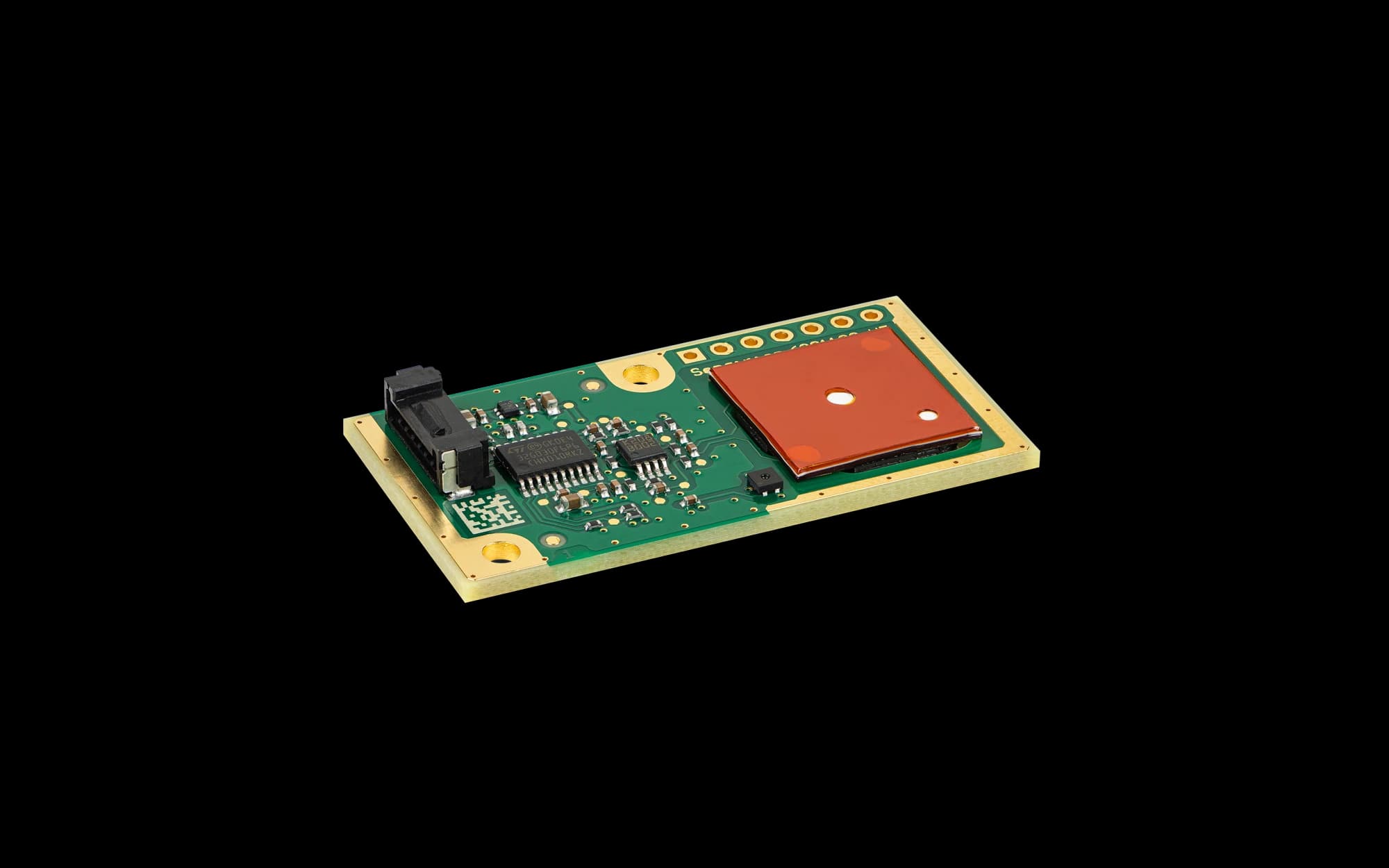
Temperatur- und Feuchtesensoren liefern die benötigten Daten für die Steuerung von Kühlung und Entfeuchtung in Klimaanlagen. Genaue Messungen unterstützen eine stabile Klimaregelung, eine gleichbleibende thermische Behaglichkeit und einen energieeffizienten Betrieb unter sich verändernden Innenraumbedingungen.
Überwachung der Luftqualität mit PM2,5- und Formaldehyd-(HCHO-)Sensoren
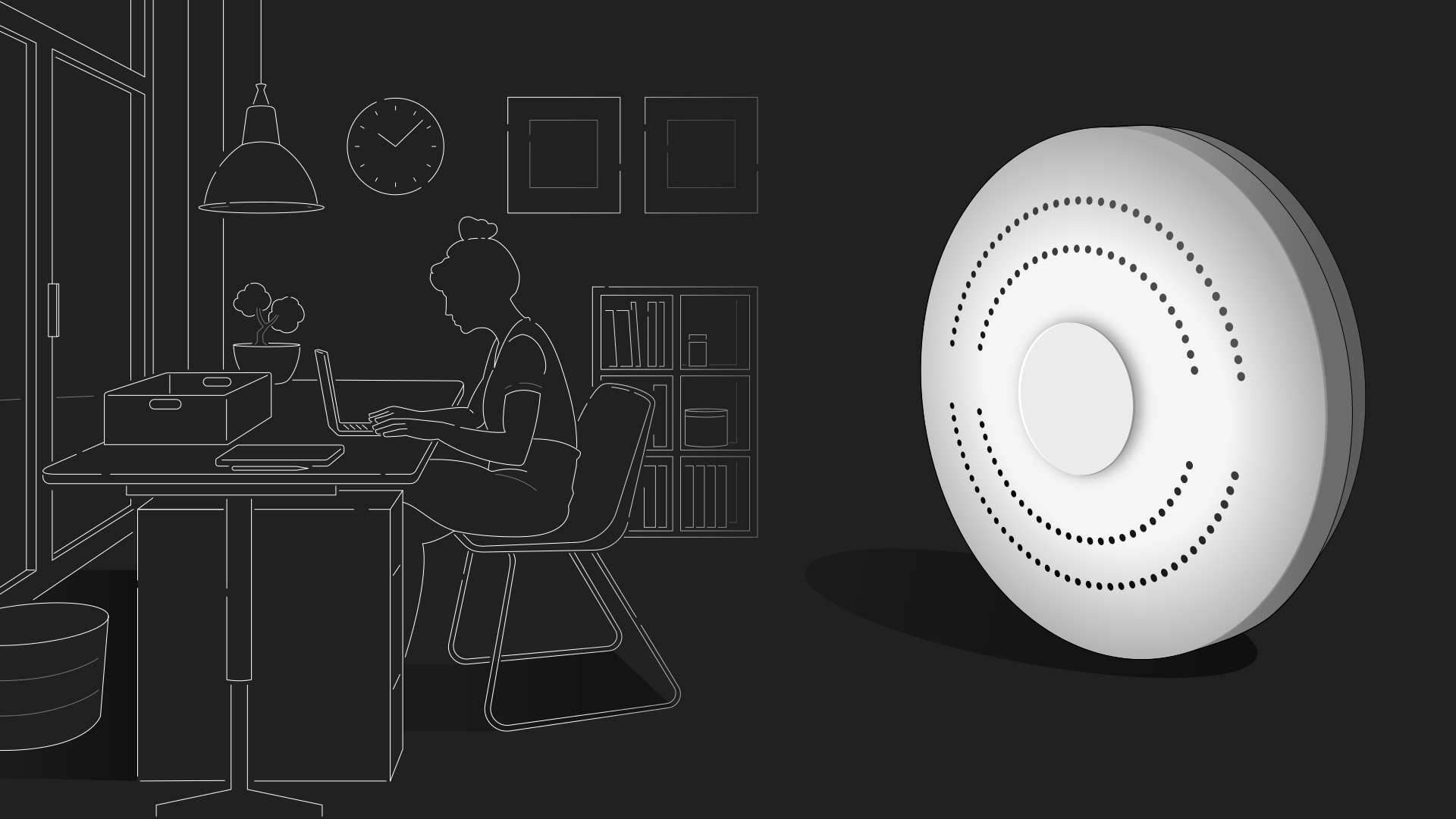
Schadstoffe wie Feinstaub oder Formaldehyd haben einen erheblichen Einfluss auf die Luftqualität und können sich negativ auf die Gesundheit und das Wohlbefinden auswirken. Mit Hilfe von Umweltsensoren können Schadstoffe in Innenräumen dargestellt und Klimaanlagenlösungen/Klimageräte durch Filter erweitert werden, um Schadstoffe in Innenräumen zu reduzieren oder zu beseitigen.
Bedarfsgesteuerte Frischluftzufuhr mit Luftqualitätssensoren
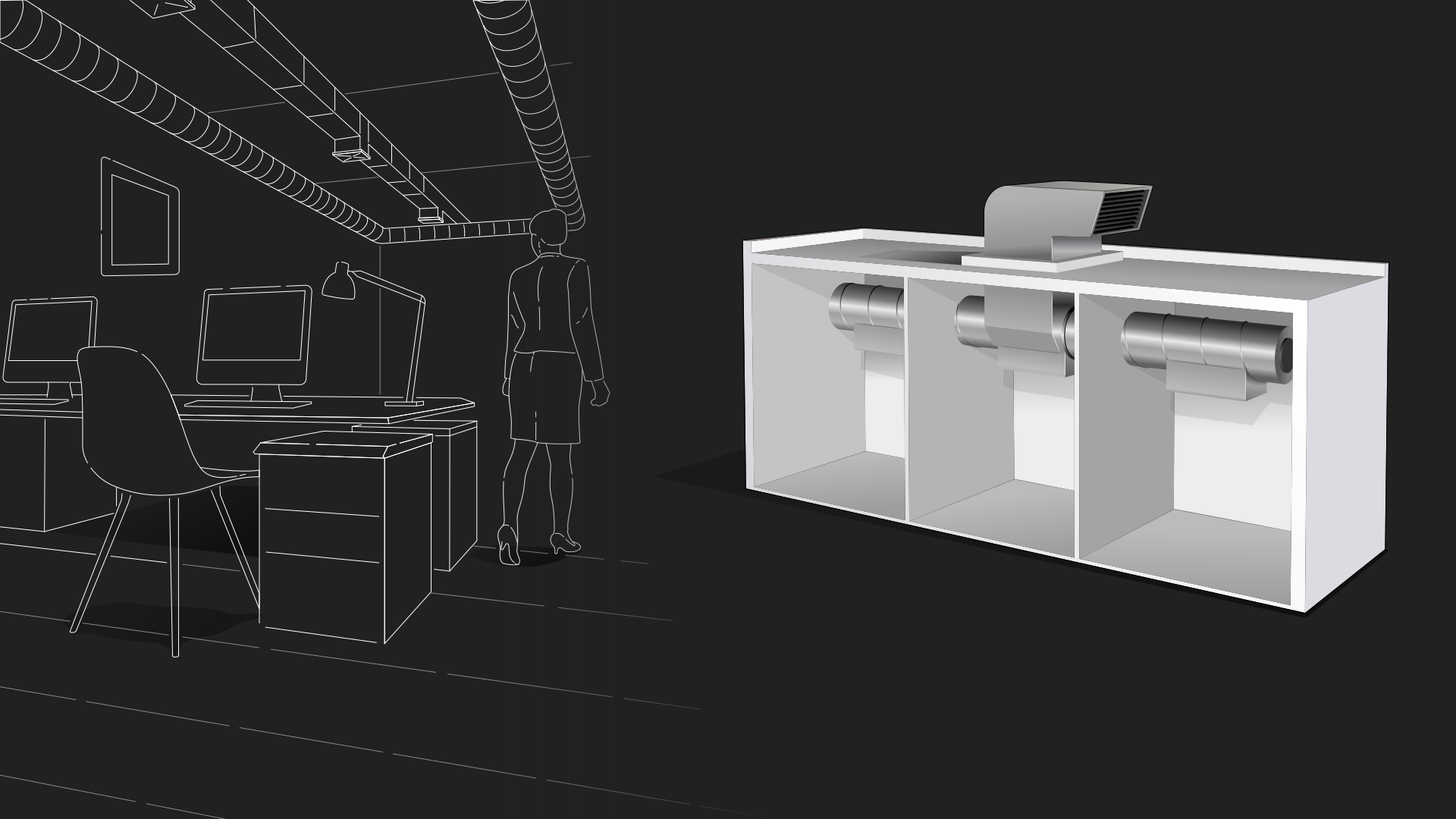
Die sensorbasierte Überwachung der Luftqualität ermöglicht eine bedarfsgesteuerte Frischluftzufuhr in Kanal-Klimaanlagen. Der Aussenluftstrom kann an die gemessenen Innenraumbedingungen angepasst werden, wodurch die Raumluftqualität unterstützt und unnötige Klimatisierung reduziert wird.
Differenzdrucksensoren für zuverlässige Filterüberwachung
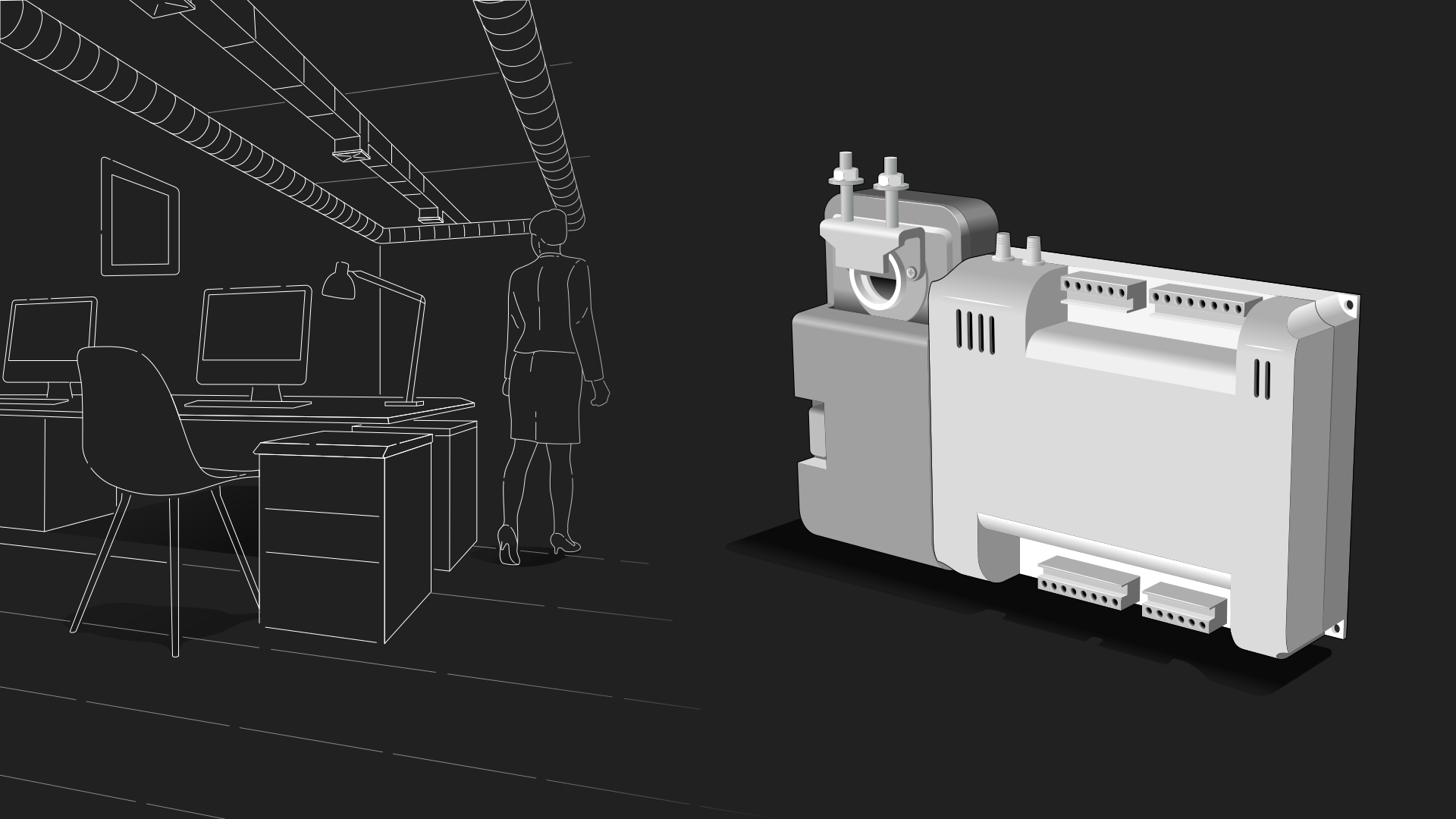
Differenzdrucksensoren messen den Druckabfall über einen Luftfilter, um Änderungen des Filterzustands zu überwachen. Klimaanlagen können diese Daten nutzen, um steigende Filterbelastungen zu erkennen und eine zustandsorientierte Wartung zu unterstützen. Dies verhindert einen vorzeitigen Ausfall der Anlage und sorgt für eine optimale Energieeffizienz und Kühlleistung.
Sicherheit – Kältemittelleckagen erkennen
Mit der Umstellung der HLK-Branche auf Kältemittel mit niedrigem GWP-Wert wird die zuverlässige Erkennung von Kältemittelleckagen zu einer wichtigen Designanforderung. Die Kältemittel-Lecksensoren von Sensirion ermöglichen eine schnelle und genaue Erkennung von Lecks, helfen Herstellern, die Sicherheit zu erhöhen, sich ändernde Vorschriften zu erfüllen und die Leistung der Anlagen zu schützen.
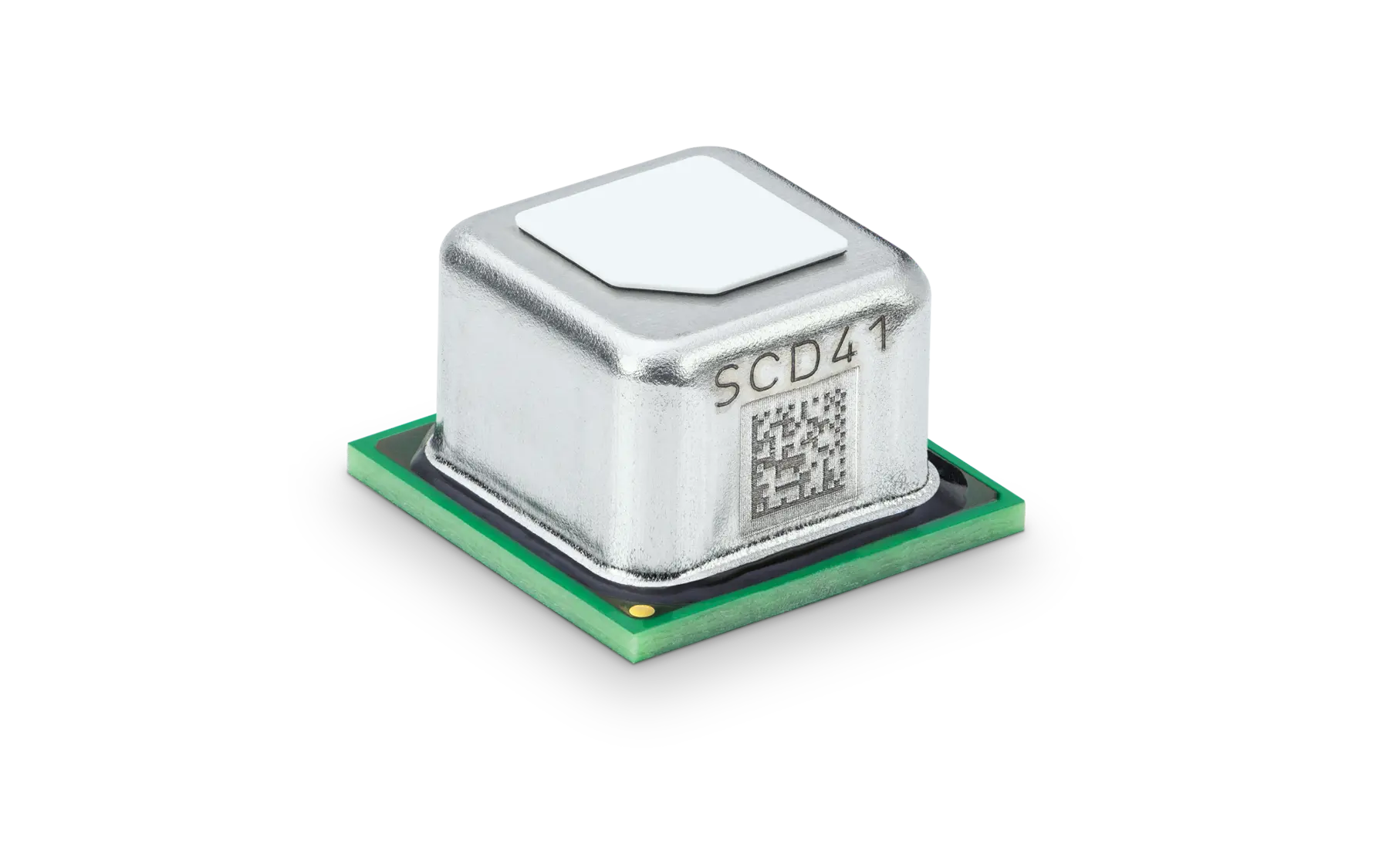
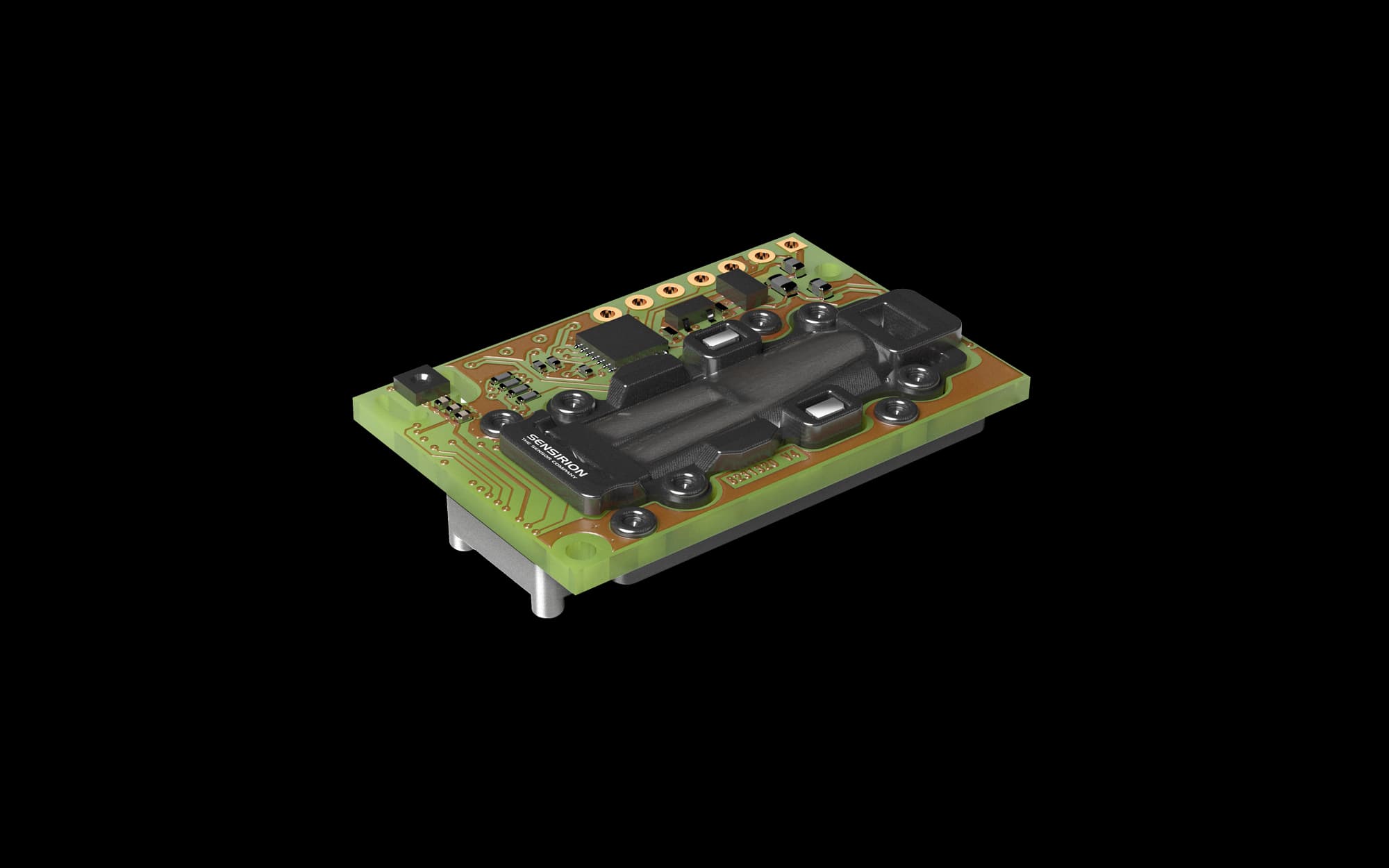
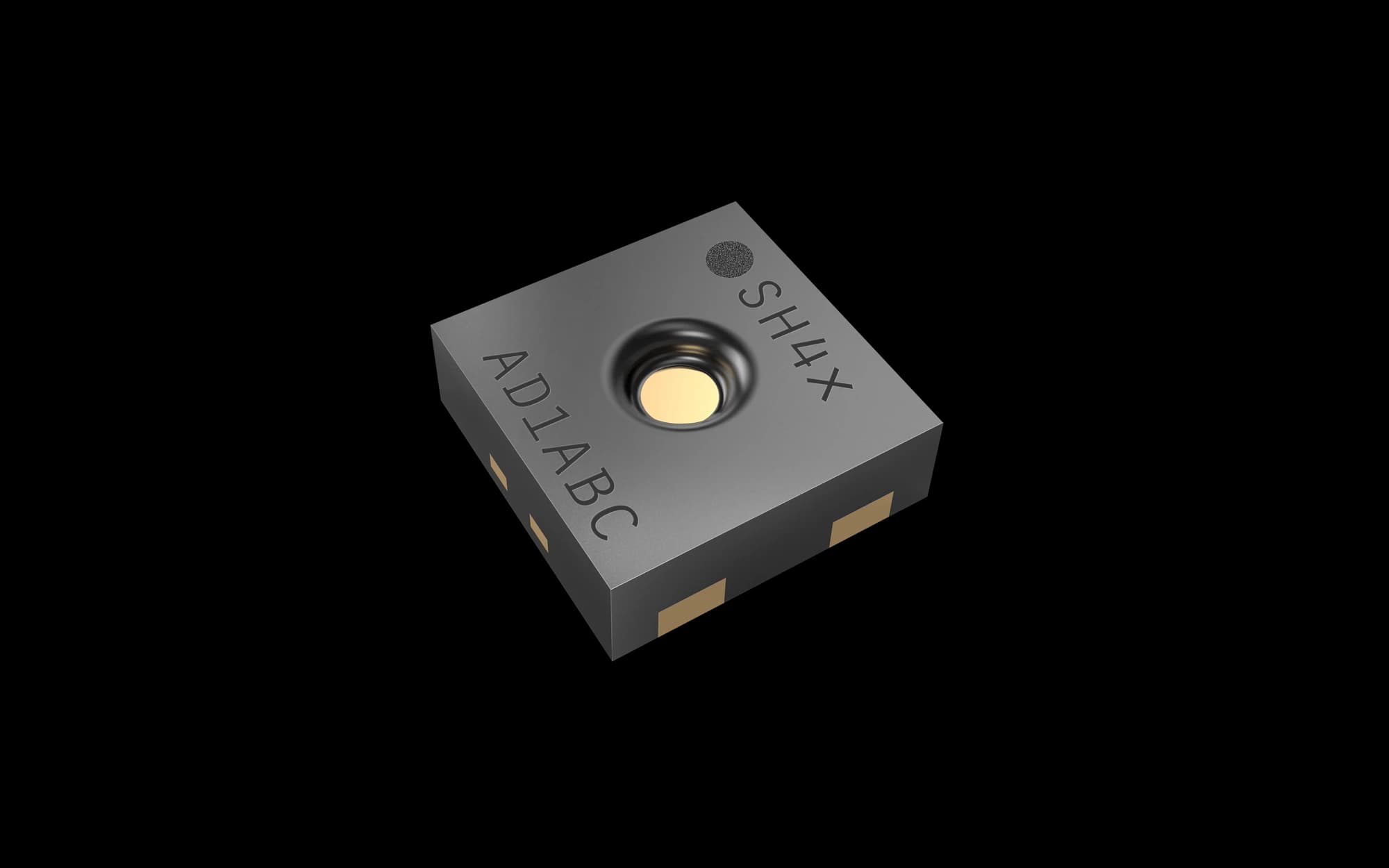
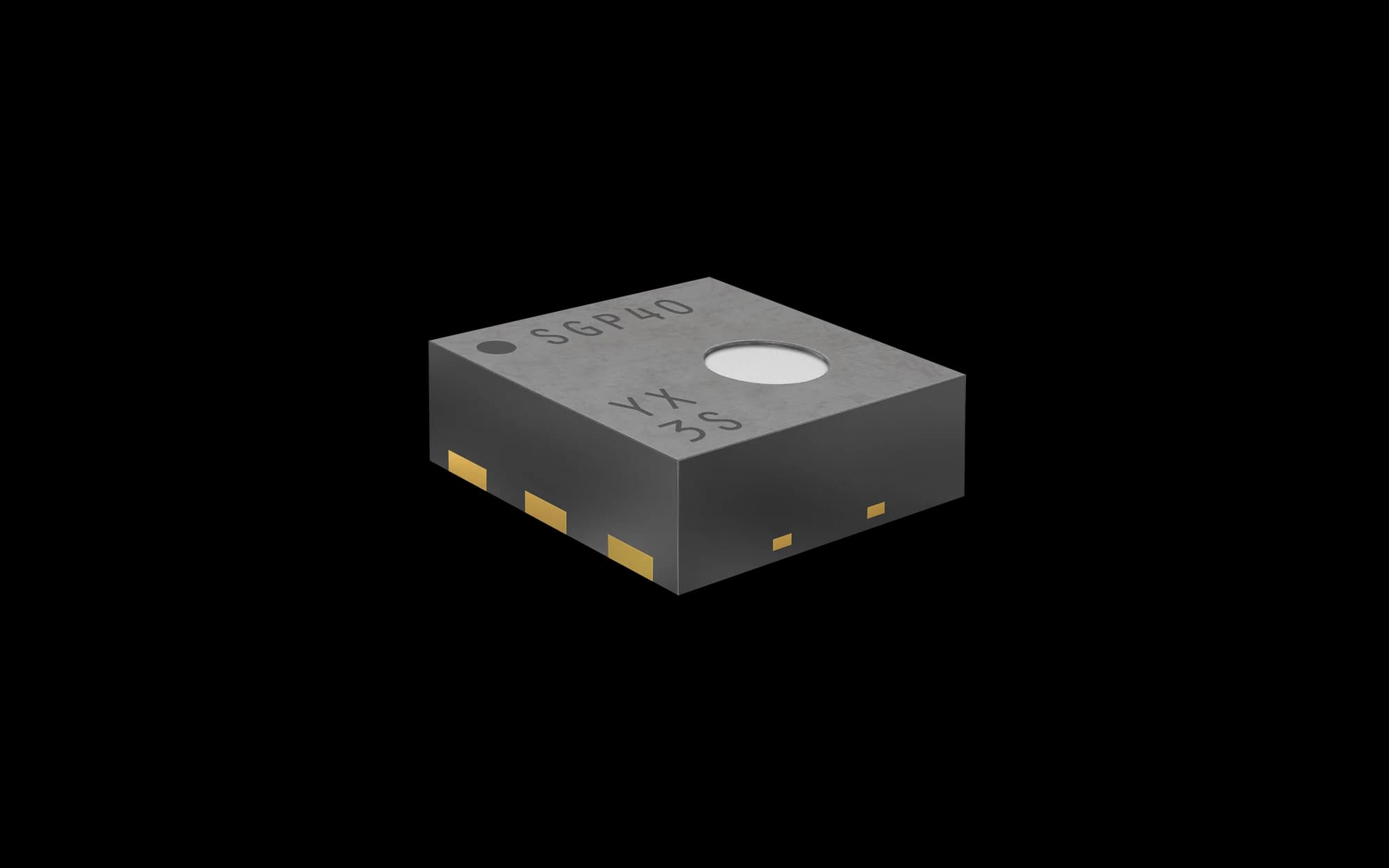
Empfohlene Sensoren für Klimaanlagen

Aktive Feuchtigkeitskontrolle in Mini-Split-Klimaanlagen
Mini-Split-Klimaanlagen sind auf die Temperaturregelung ausgelegt und haben häufig Schwierigkeiten, die Luftfeuchtigkeit effektiv zu steuern. Dies kann zu ungleichmässigem Komfort, schlechter Raumluftqualität und geringerer Energieeffizienz führen. In unserem Fachartikel erfahren Sie, wie hochpräzise Feuchtigkeitssensoren Mini-Splits über die reine Temperaturregelung hinaus zu intelligenten Klimamanagementsystemen machen.
Fachartikel herunterladen
Luftqualität in Innenräumen
In den letzten Jahren hat sich bei vielen Menschen, die Wert auf ein gesundes Leben legen, eine neue Nachfrage nach sauberer Luft entwickelt. Wenn es um die Luftqualität geht, sind die meisten von ihnen zu Recht besorgt über die Luftverschmutzung, vergessen aber oft die Luftverschmutzung in Innenräumen.
Mehr zum Thema Luftqualität in Innenräumen
Wie in Zukunft die Luftqualität in Innenräumen verbessert werden kann
Wenn wir an "Luftqualität" denken, neigen wir dazu, an die Luftverschmutzung in den Regionen um unsere Häuser herum zu denken. Wir verlassen uns auf Messungen wie den Luftqualitätsindex, um uns zu informieren, wenn die Luftschadstoffe in unseren Städten ein Niveau erreichen, das Gesundheitsprobleme verursachen oder verschlimmern kann.
Mehr lesen