How we tackled ASIL compliance

The cross-functional journey behind our first safety-certified sensor

Autonomous driving is the future of mobility. This vision relies on advanced ADAS technologies such as LiDAR and camera systems, not to mention chassis control systems including steer- and brake-by-wire systems. In highly automated vehicles, these systems must offer exceptionally reliable operation, as drivers no longer intervene. One of the most critical threats to the long-term safety and reliability of electronic components within such systems is water and humidity ingress. 


That’s precisely where our SHT41A-AWSB sensor comes into play—effectively detecting humidity levels at an early enough stage to trigger safety measures. To ensure reliable performance in safety-critical automotive applications, the Automotive Safety Integrity Level (ASIL) certification provides a standardized framework for risk assessment and mitigation. 


We are proud to be the first-ever company to offer an ASIL-certified humidity and temperature sensor—setting a new benchmark for functional safety in automotive sensing. 


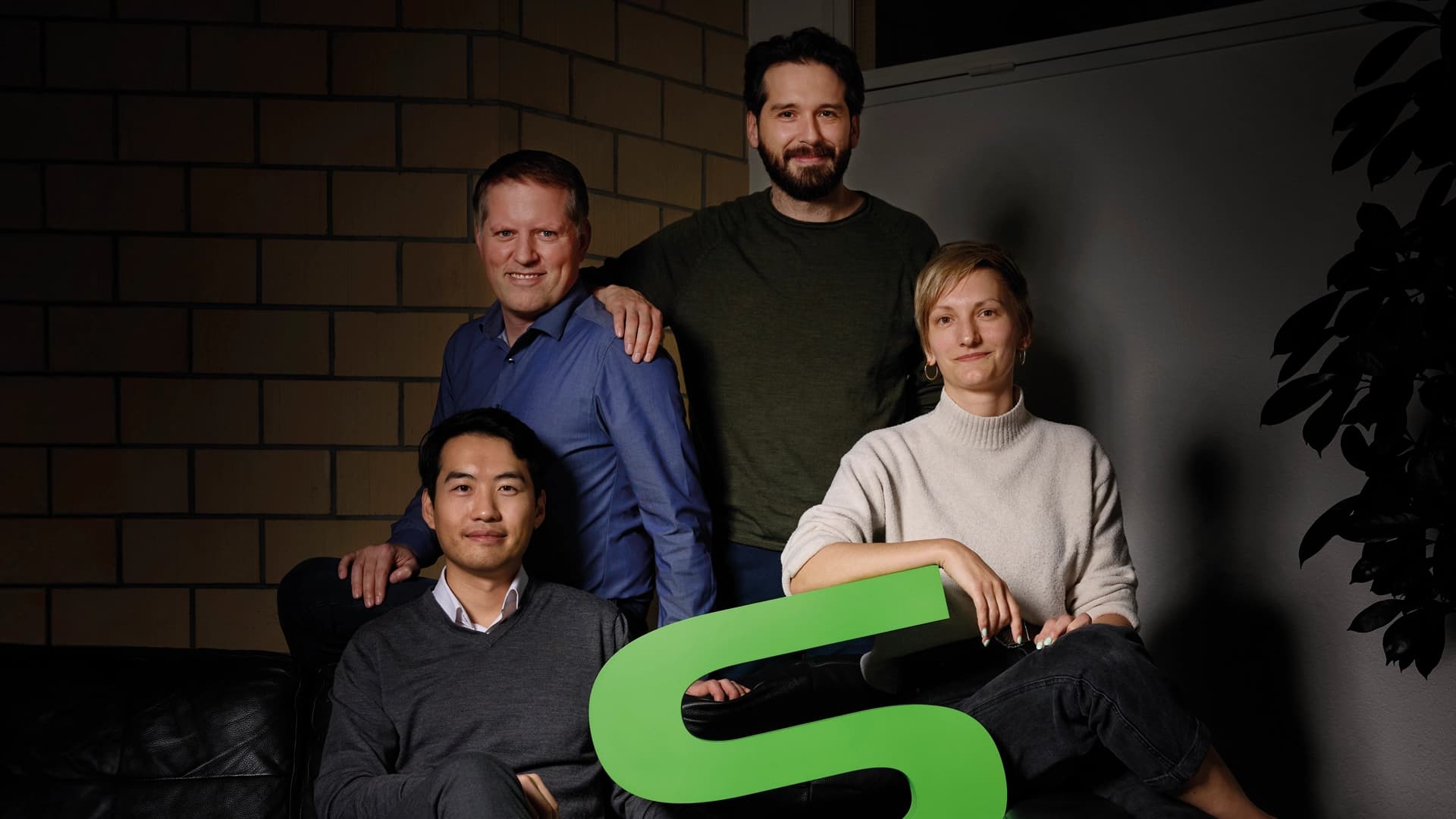
In this article, we look back at the journey we have made to get to this point, from the first time Sensirion tackled functional safety to the efforts that went into achieving the ASIL-certification for our sensor. It wasn’t just an engineering challenge—it was a truly interdisciplinary effort. Close collaboration within a cross-functional team, with each individual contributing their own unique skills, backgrounds and insights. They worked through new standards, addressed unexpected challenges and developed a clear, practical understanding of functional safety.  


In the following sections, we’d like to introduce some of the key people behind this achievement and highlight the unique contributions they made toward our first-ever ASIL-certified product. 


Leading the ASIL journey: from vision to execution 


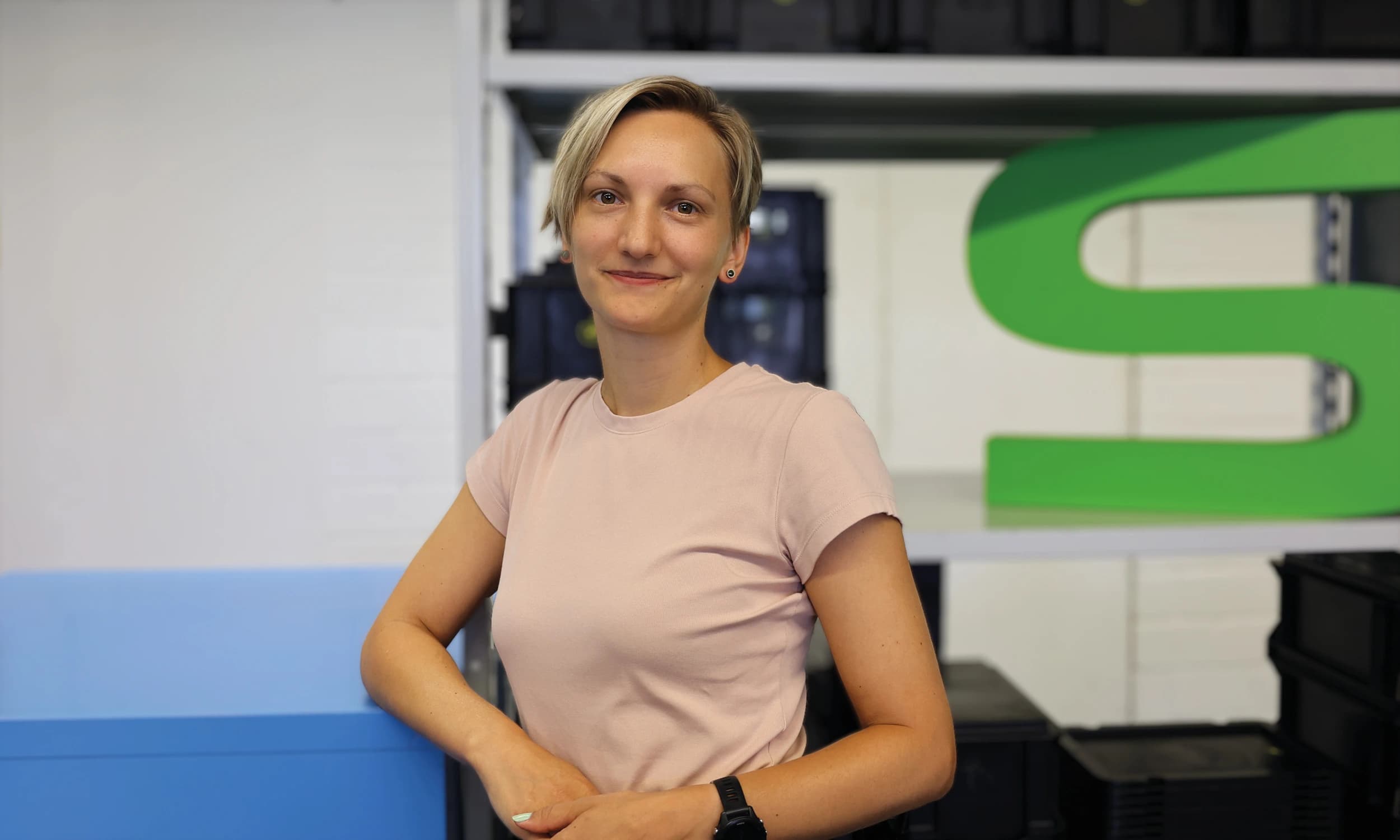
As Project Leader of our first-ever ASIL product, Mareike Weiss played a central role in navigating this complex undertaking. From aligning diverse teams and roles to refining internal processes, she helped build our functional safety capabilities from the ground up. 
No alternate text provided
Mareike

One of the biggest challenges she faced involved translating ASIL requirements into Sensirion’s context—striking a balance between agile development practices and the rigor and structure that safety compliance demands. Mareike drove the establishment of a project management framework that met strict automotive safety standards, all the while enabling teams to remain as agile as possible despite the documentation-heavy nature of the process, for which she predominantly shouldered responsibility. This documentation work ensures that the reasoning behind critical technical and organizational choices remains transparent, traceable and well aligned with the overall safety objectives. 


Equally important was her focus on communication. The project promoted clear, structured exchange across departments and fostered a company-wide understanding of what a safety mindset truly involves—including stakeholder alignment and accountability. 


Looking back, Mareike is proud of the ASIL expertise that Sensirion has developed—and how transparency, ownership and cross-functional teamwork made it possible. Under her leadership, the team successfully passed external audits and laid the foundation for a strong internal safety culture. 


Understanding challenges, creating solutions 


In his role as Product Manager for our fourth-generation temperature and humidity sensor platform, Julien Cors joined product development at a pivotal moment. The SHT4xA had recently been launched, and he stepped in with a clear mission: to unlock its full potential across new applications in the automotive market. 


The sensor platform had originally been designed for anti-fogging applications, but Julien helped expand its scope to encompass a broader safety-critical use case: detecting water ingress. Water ingress detection is key to the safe operation of ADAS systems such as steer- and brake-by-wire. This strategic redirection brought new and exciting challenges. Working closely with ADAS market expert Tong Wu, Julien translated real-world customer needs and application-related challenges into specific product requirements, which R&D then implemented as technical solutions. 


In his role as Market Manager for mobility applications, focusing specifically on autonomous driving and chassis system, Tong Wu played a key role in connecting market and customer insights with product strategy. In his position, he closely monitored the rapidly evolving ADAS landscape and identified emerging trends and applications to ensure that the product we offer remains closely aligned to market needs.  

No alternate text provided
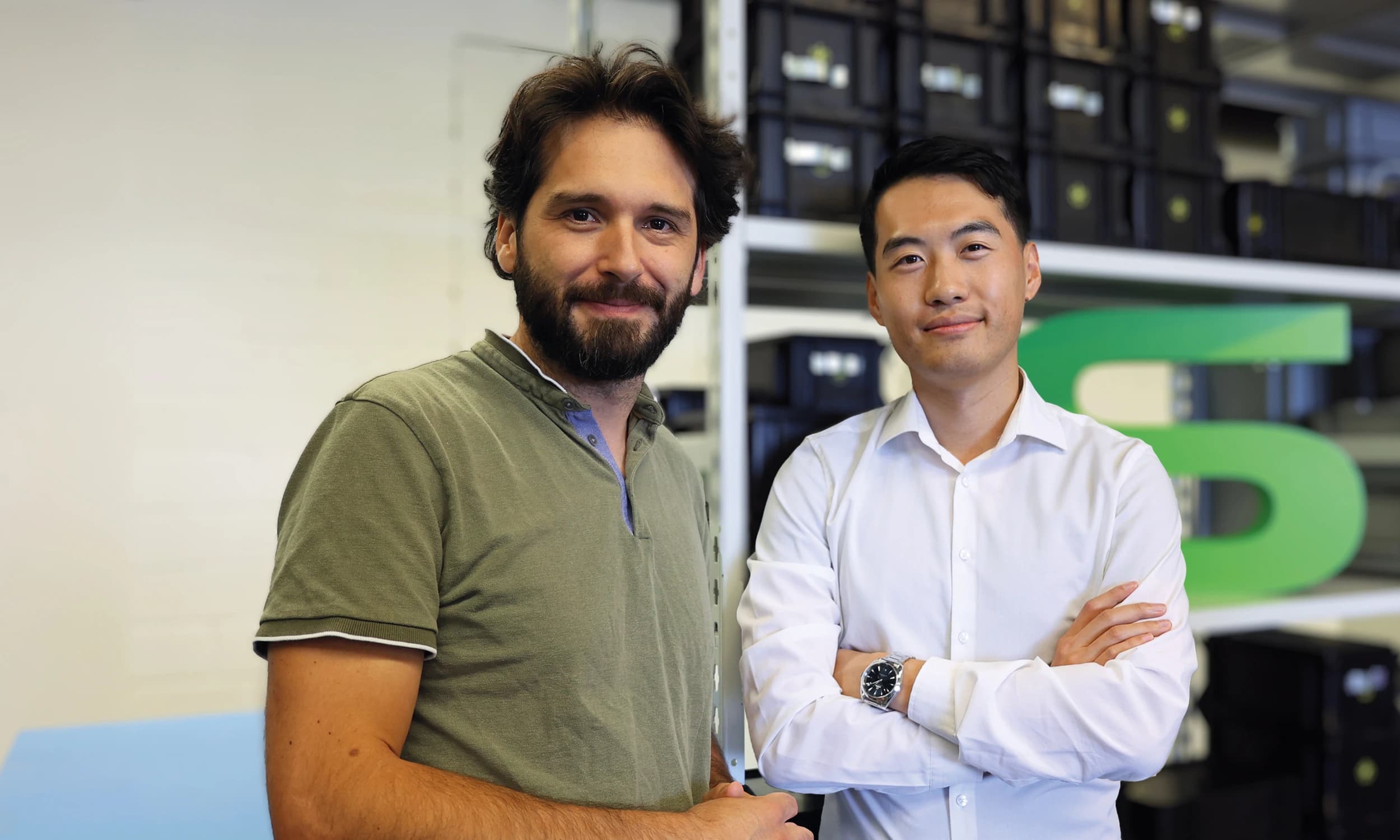
Julien and Tong

While Julien engaged directly with Tier 1 suppliers and OEMs to shape the sensor’s evolution, Tong focused on building trust—working closely with OEMs, system suppliers and regulators to explore how our technology could support their designs. Instead of simply presenting specifications, he facilitated meaningful conversations—sharing insights, enabling mutual understanding and offering technically grounded perspectives to support better design decisions. 


Both share a common belief: innovation doesn’t always have to be a loud. Sometimes, it’s quietly transformational—built on close collaboration with our customers, a profound understanding of the market and thoughtful product development. Internally, both Julien and Tong played key roles in aligning the vision—sharing feedback, training teams and helping to steer in a unified direction for the next level of automotive environmental sensing. 


Smoothly integrating functional safety into production 


Manuel Becker, Senior Program Manager, tackled the challenge of turning regulatory functional safety standards into practical, workable processes. His mission: to translate requirements into operationally feasible solutions without disrupting the entire manufacturing ecosystem.


Rather than redesigning the entire production chain, the team relied on the existing automotive standard in the production line. So, Manuel focused his efforts on strengthening the core processes in which we test the product against its specifications. The team placed special emphasis on software engineering and validation within these steps, ensuring consistent checking of functionality and safety. Thanks to this focused and strategic approach, we met stringent standards with just a small group of specially trained engineers—avoiding costly overhauls and preserving operational efficiency. 


But translating a concept into a compliant production flow requires more than just a high-level plan—and that’s where Liwen Chu got involved. 


In his role as Expert Process Integration Manager, Liwen works much closer to the actual manufacturing environment. While Manuel focused on defining a safety-compliant concept, Liwen ensured that it was correctly executed on the factory floor—from deploying validated software versions to ensuring that only qualified personnel complete safety-related tasks. 

No alternate text provided
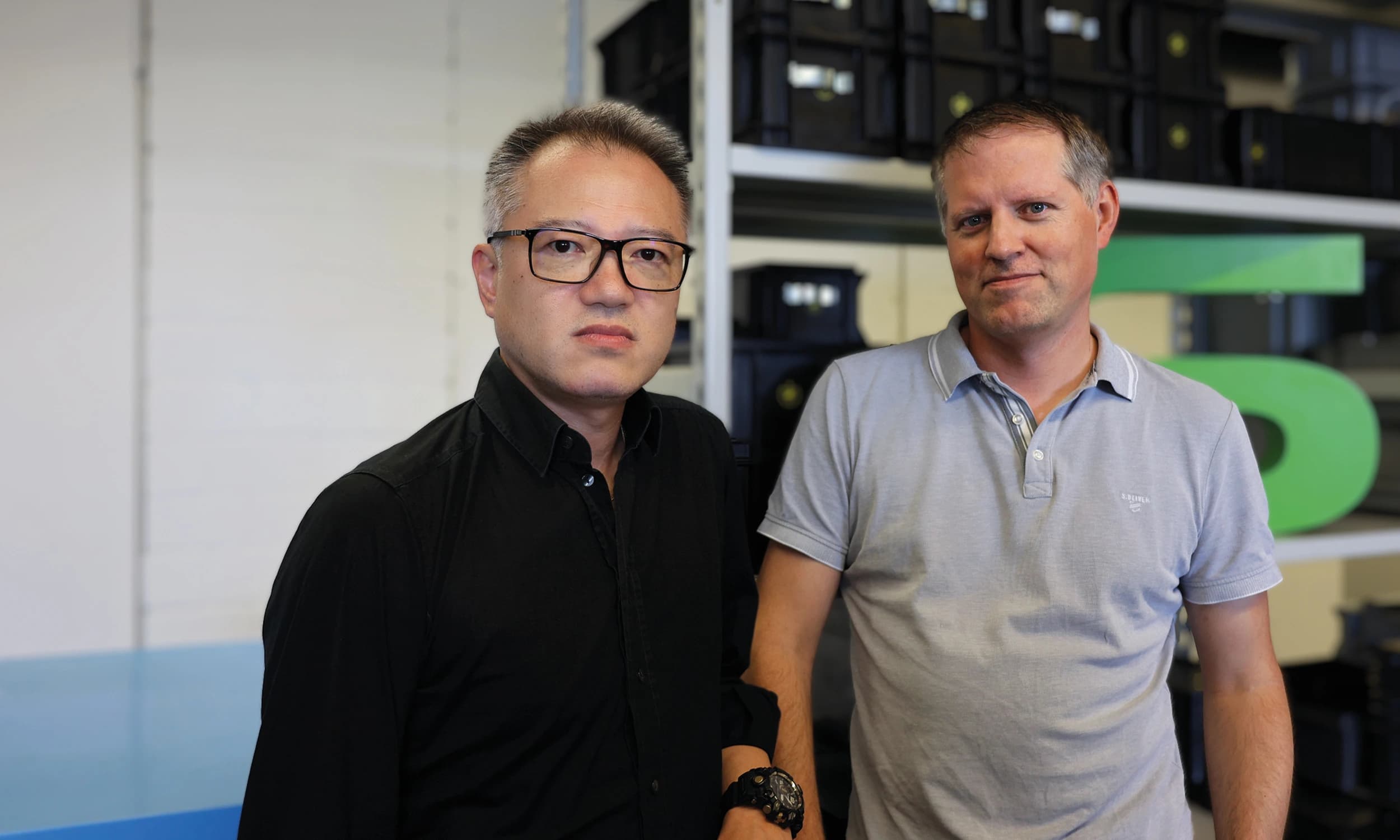
Liwen and Manuel

For Liwen, this shift was more than just a technical adjustment: it marked a transition in how we approach quality assurance. Functional safety brought a brand-new layer of scrutiny to Production, especially with regard to software integrity and process reliability. What excited him most of all was how these insights are now influencing future product lines and setting new robustness and traceability benchmarks. 


Together, Manuel and Liwen helped embed functional safety not only into documentation, but also into the very DNA of Production. This vital transformation paved the way for high-assurance automotive sensing at scale. 


Achieving the ASIL certification was no simple task. It required in-depth collaboration, relentless precision and a shared safety mindset across disciplines. Today, it represents a meaningful milestone in how we approach safety in automotive environmental sensing.